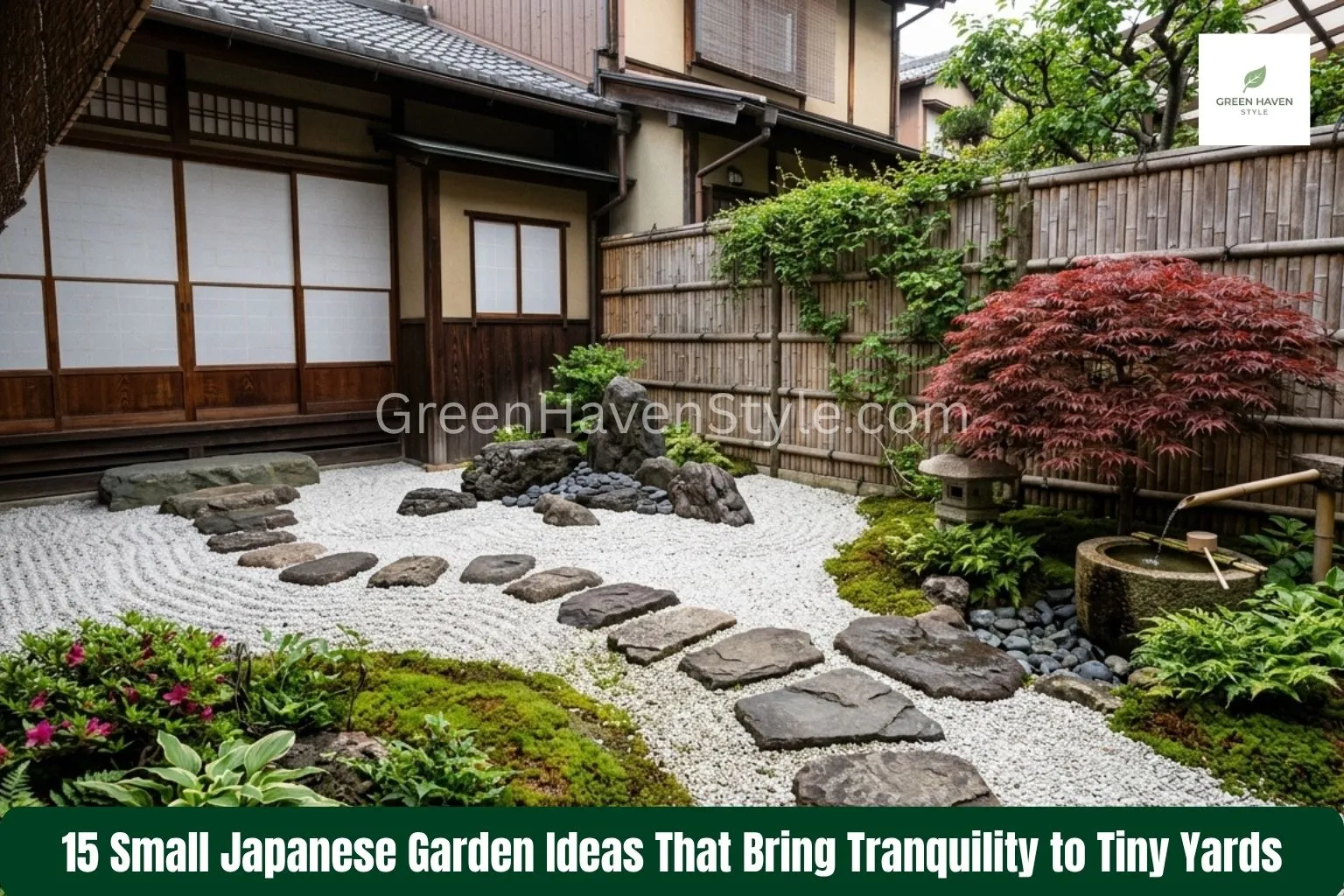
15 Small Japanese Garden Ideas That Bring Tranquility to Tiny Yards
Have you ever walked through a Japanese garden and felt instant calm wash over you? That serene, balanced feeling doesn’t require acres of land or a massive budget to recreate at home. Even the smallest outdoor spaces can become peaceful sanctuaries with the right elements and thoughtful design.
These small Japanese garden ideas prove that tranquility fits beautifully into compact yards, balconies, and courtyards. The philosophy behind Japanese garden design celebrates simplicity, natural materials, and mindful placement of every element—principles that actually work better in smaller spaces where each choice carries more visual weight.
I’ve noticed that the most successful compact Zen gardens focus on a few key elements rather than cramming everything into limited square footage. The beauty emerges from restraint, balance, and creating moments of contemplation through carefully selected stones, plants, and water features.
15 Small Japanese Garden Ideas That Bring Tranquility to Tiny Yards
Whether you’re working with a tiny urban balcony or a modest backyard corner, these design ideas will help you create an authentic Japanese-inspired retreat. Get ready to transform your small space into a peaceful escape that invites meditation, reflection, and connection with nature’s quiet elegance every single day.
1. Miniature Zen Rock Garden 
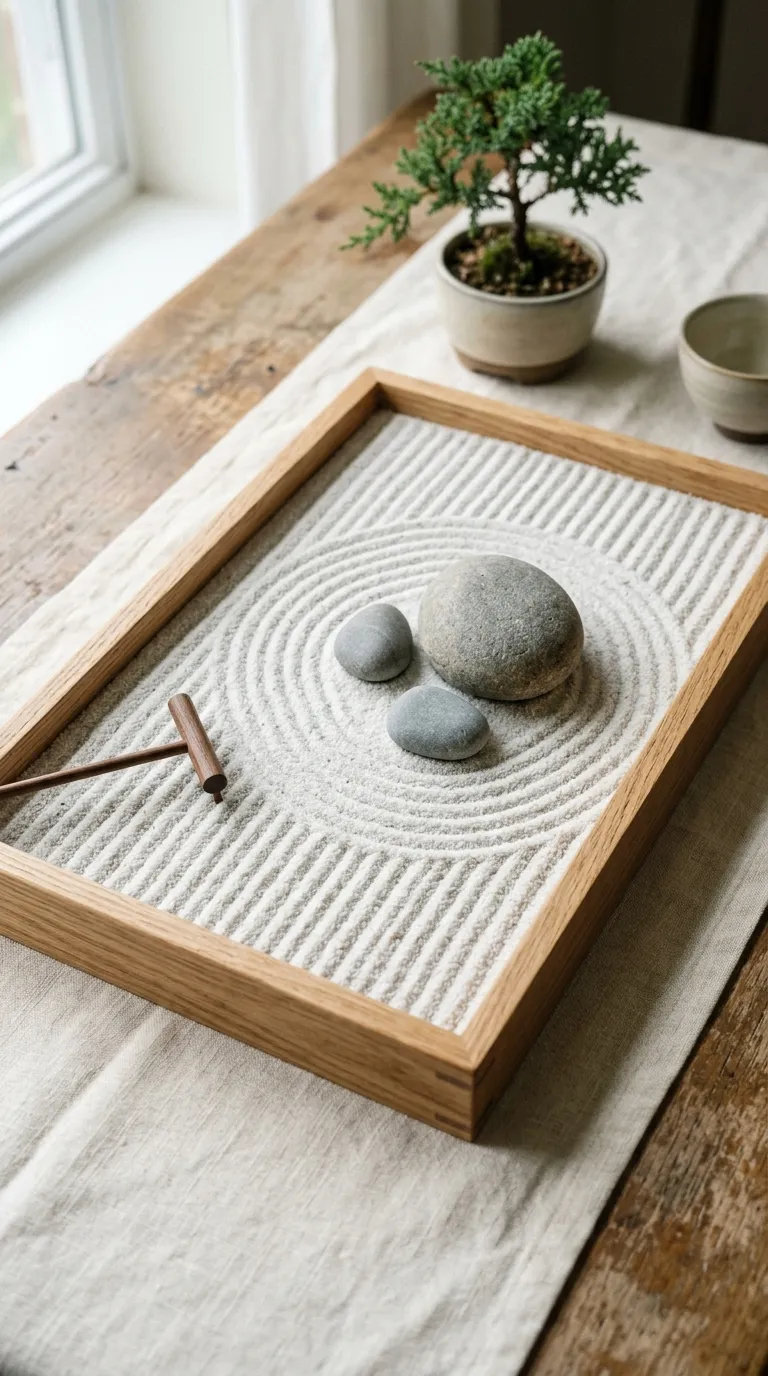
A tabletop or contained rectangular space filled with fine white gravel, carefully raked into ripple patterns around strategically placed stones creates the essence of traditional karesansui design. This minimalist approach delivers maximum tranquility in minimal square footage.
The raked patterns represent water flow while rocks symbolize islands or mountains in abstract representation. I’ve found that the meditative act of raking becomes as valuable as the finished visual result, offering daily mindfulness practice.
Choose smooth river stones in odd numbers—typically three or five—arranging them asymmetrically for natural balance. This contained version works beautifully on patios, balconies, or tucked into garden corners where larger installations won’t fit, proving profound peace doesn’t require expansive real estate.
2. Bamboo Water Feature
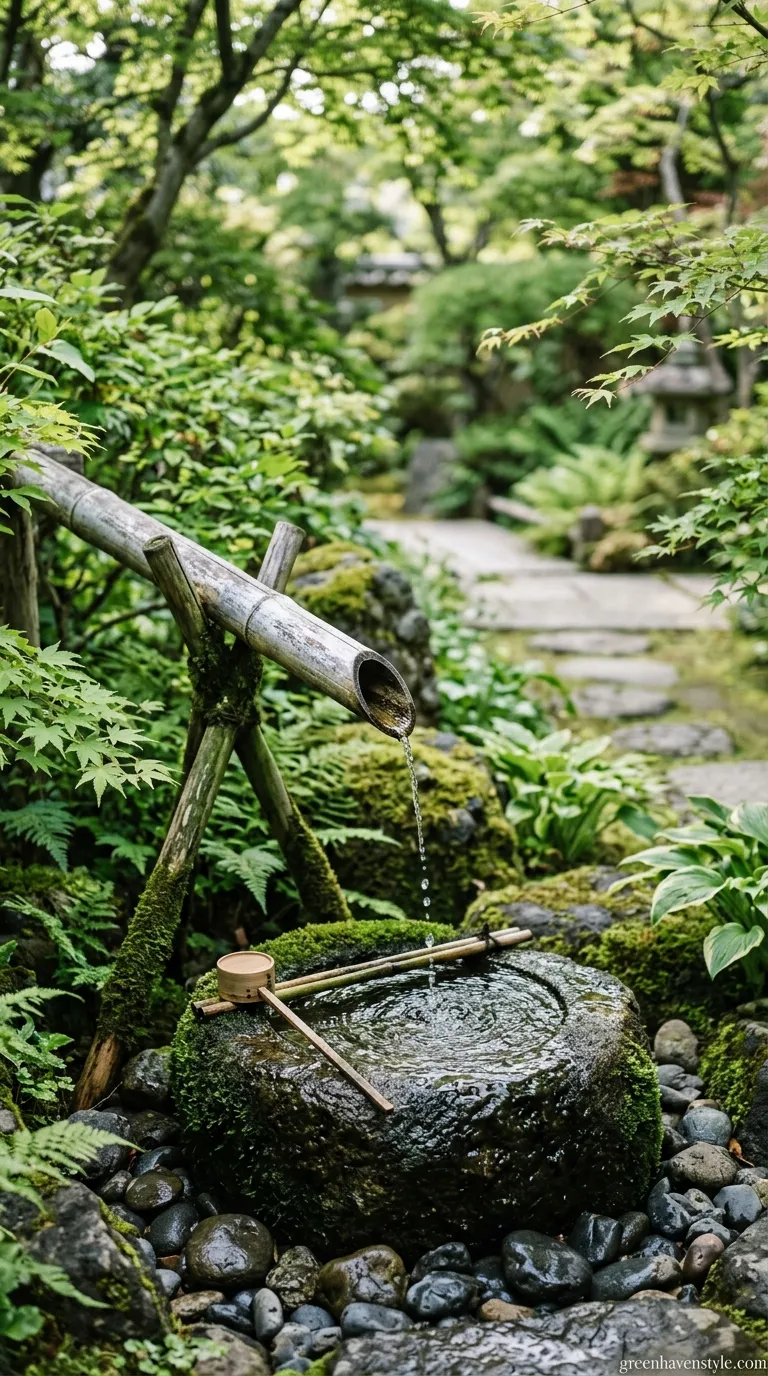
A simple bamboo fountain where water flows from hollow bamboo tubes into a stone basin brings the soothing sound of trickling water to compact spaces. The shishi-odoshi or tsukubai-style features occupy minimal ground area while delivering maximum sensory impact.
Natural bamboo weathers beautifully over time, developing silvery patina that enhances authentic character. The gentle splashing masks urban noise pollution while creating focal points that draw the eye and invite contemplation in even the smallest yards.
In my experience, positioning water features near seating areas maximizes their calming effect without overwhelming tight spaces. Solar-powered pumps eliminate electrical complications, making installation straightforward for renters or those wanting flexible placement options that adapt as garden designs evolve.
3. Stepping Stone Pathway
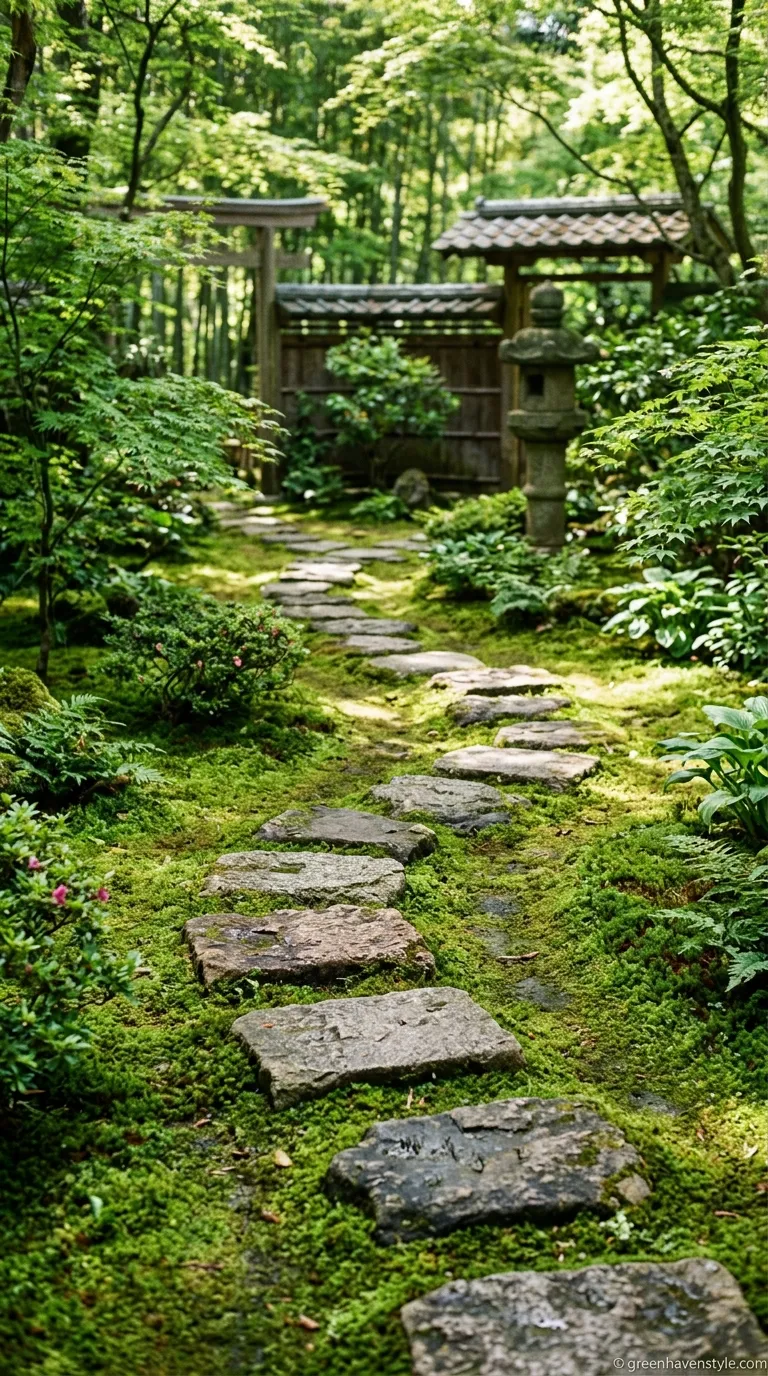
Irregularly spaced flat stones set into moss, gravel, or low groundcover create intentional walking paths that slow movement and encourage mindful steps through your compact garden sanctuary. This classic Japanese element adds functionality while enhancing contemplative atmosphere.
The spacing forces deliberate pacing rather than rushed walking, transforming simple garden traversing into meditative practice. Choose stones with interesting natural shapes and surfaces rather than uniform pavers for authentic organic appeal that feels discovered rather than manufactured.
I’ve observed that odd-numbered stone groupings and asymmetrical placement paradoxically create more balanced compositions than symmetrical arrangements. This principle, called wabi-sabi, celebrates imperfection and natural beauty, making stone selection and placement an artistic expression accessible to any skill level.
4. Potted Japanese Maple
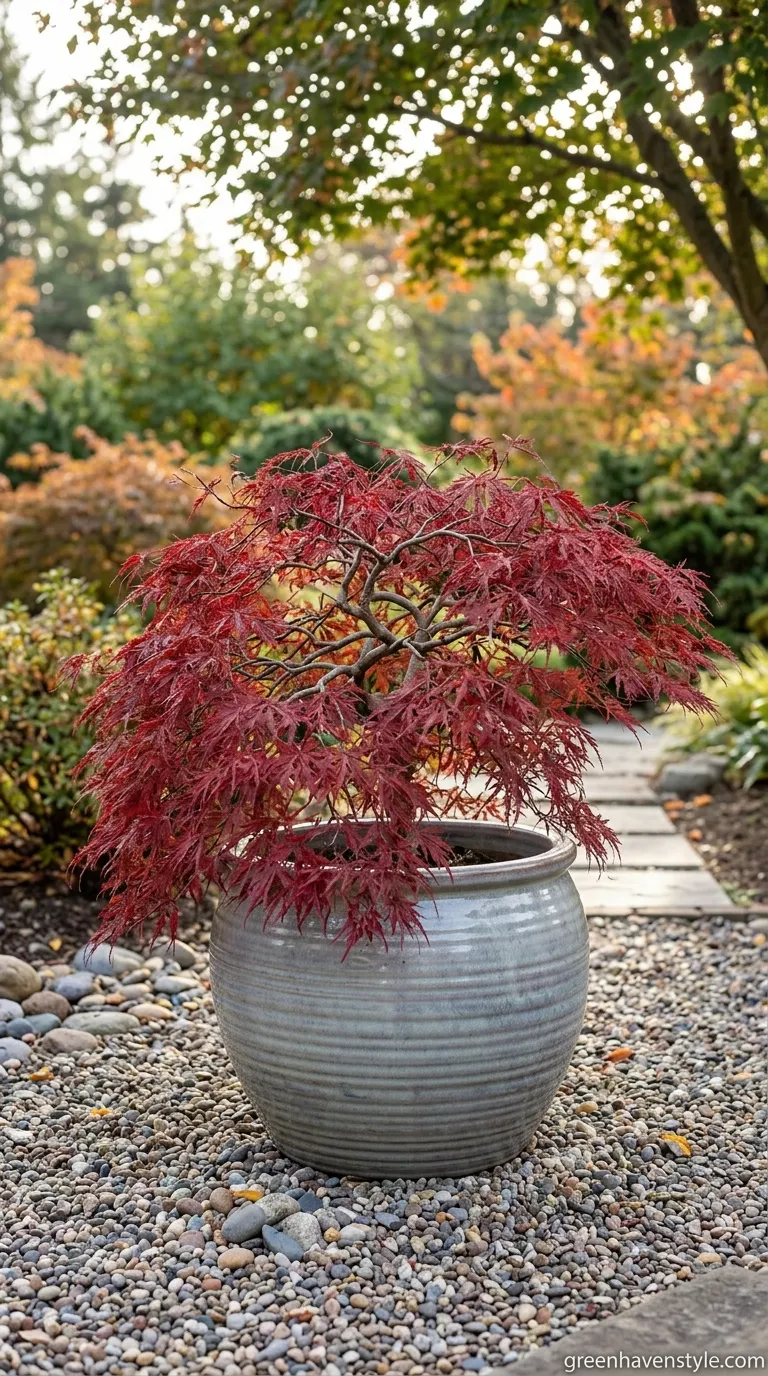
A single dwarf Japanese maple in a beautiful ceramic container becomes an instant focal point that delivers seasonal interest without consuming precious ground space. The delicate leaves, elegant branching structure, and compact size make this tree ideal for small-scale gardens.
Varieties like ‘Crimson Queen’ or ‘Shaina’ remain manageable in containers while providing stunning fall color transitions from green to brilliant crimson. The layered branching creates sculptural winter interest even after leaves drop, ensuring year-round visual value.
From what I’ve seen, it depends heavily on container selection—choosing vessels that complement rather than compete with the tree’s natural beauty enhances overall impact. Traditional ceramic pots in neutral glazes or natural terracotta allow the maple’s intricate form to remain the undisputed star of your compact composition.
5. Vertical Bamboo Screen
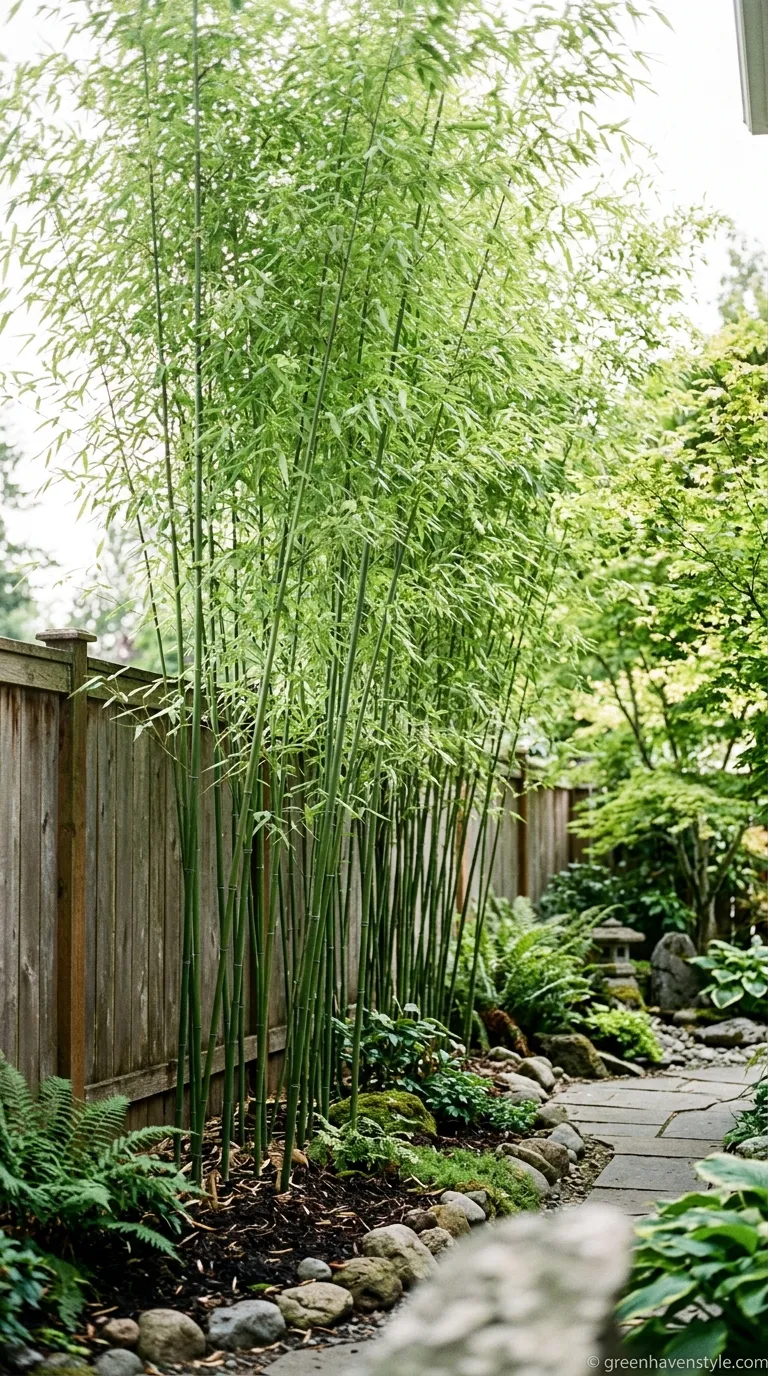
Living bamboo planted in narrow beds or containers arranged along fence lines creates privacy screens that add height without consuming floor space. Clumping varieties prevent invasive spreading while delivering the iconic rustling sound and vertical green walls.
Choose species like Fargesia or Bambusa multiplex that stay contained and reach appropriate heights for residential gardens. The upright growth draws eyes skyward, making small yards feel more spacious rather than cramped by introducing vertical dimension.
I’ve experimented with both in-ground and container bamboo, finding containers offer more control in truly tiny spaces. The gentle movement and whispering sounds when breezes pass through create dynamic sensory experiences that static fencing simply cannot replicate in outdoor living areas.
6. Stone Lantern Accent
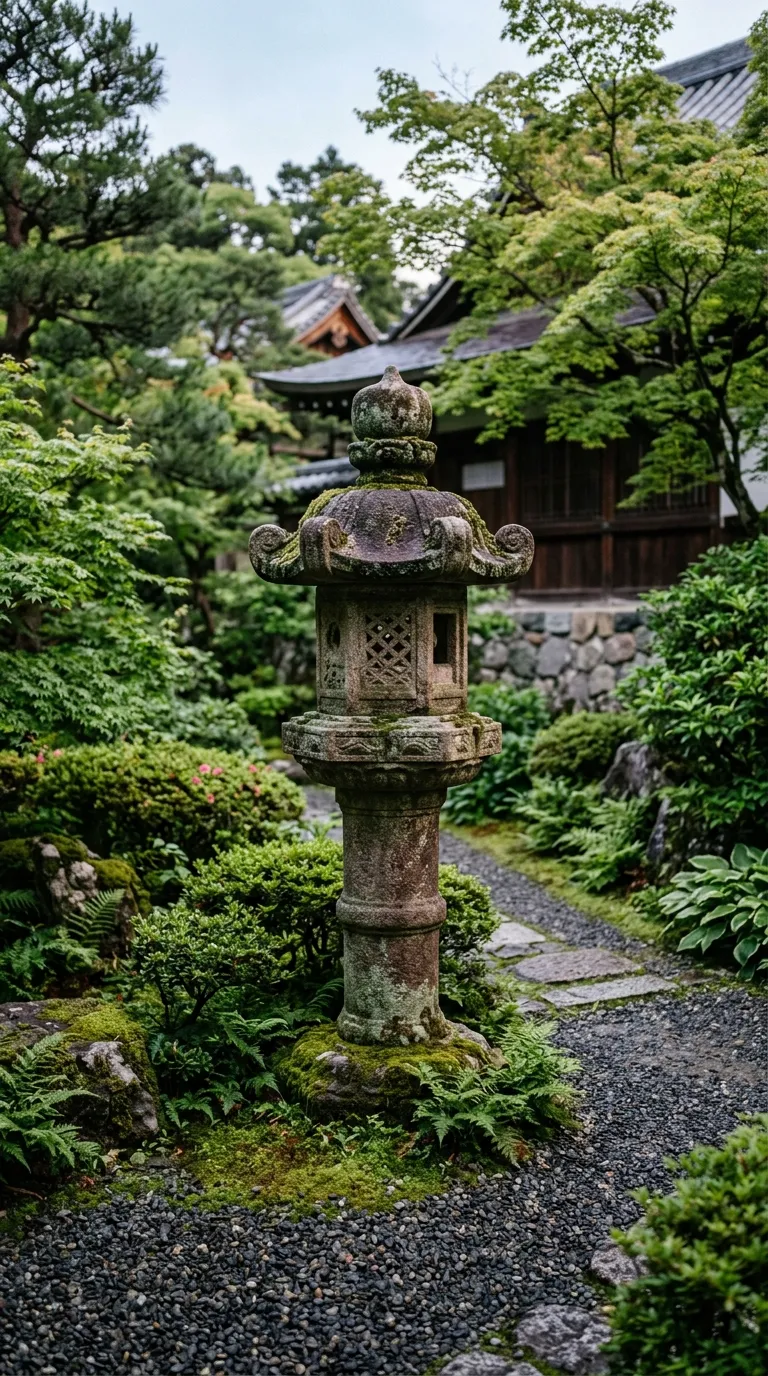
A traditional tōrō stone lantern positioned strategically becomes a sculptural focal point that anchors design while occupying minimal footprint. These classic elements add authentic Japanese character while providing gentle ambient lighting for evening garden enjoyment.
Granite or carved stone versions weather beautifully, developing moss and patina that enhance rather than diminish their beauty over years. Place lanterns near pathways, beside water features, or at garden corners where they create destination points that guide movement through compact spaces.
In my experience, the tricky part is scale selection—choosing lanterns proportional to your space prevents overwhelming small gardens while ensuring they maintain visual presence. Even petite versions deliver substantial impact when thoughtfully positioned against contrasting backgrounds like dark evergreens or white gravel.
6. Stone Lantern Accent
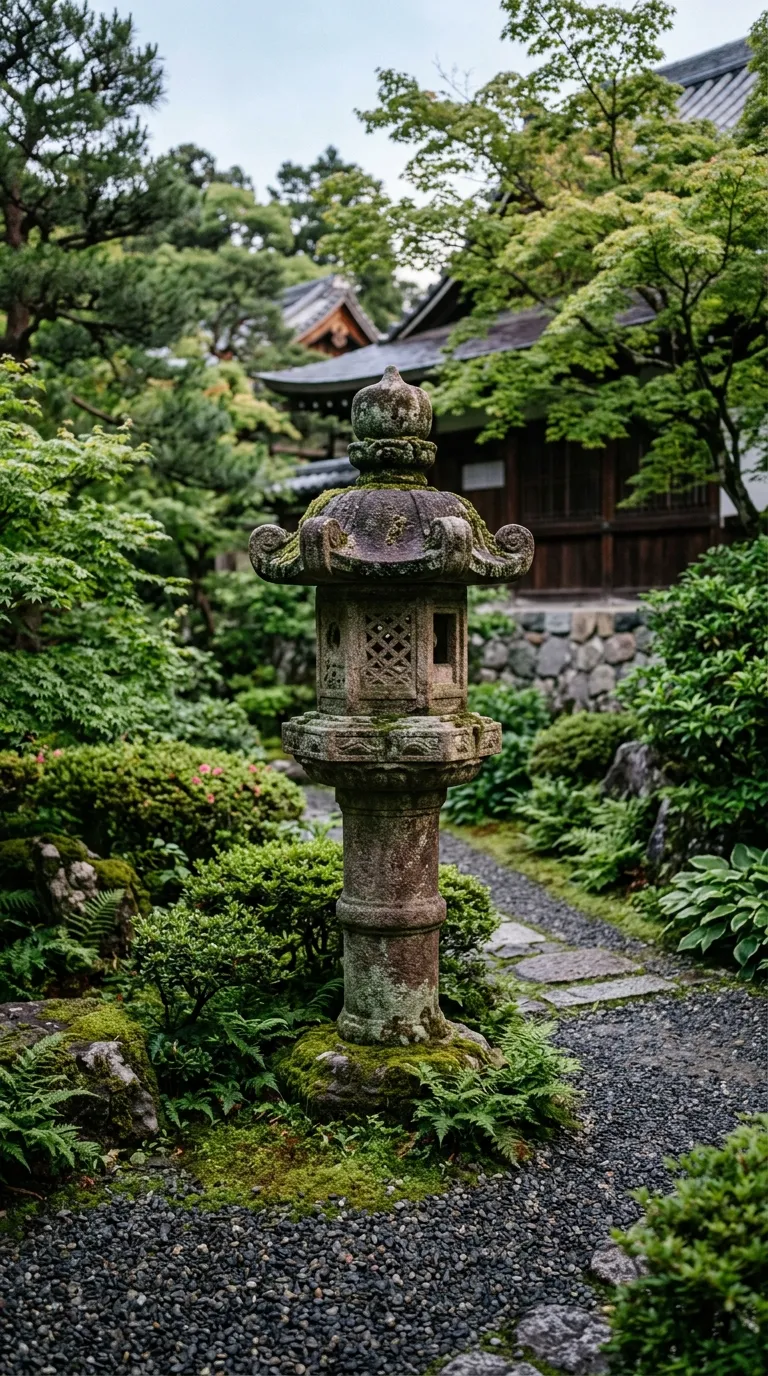
Replacing traditional lawn grass with lush moss creates carpet-like groundcover that thrives in shaded conditions where grass struggles. The vibrant green softness adds textural richness while requiring minimal maintenance compared to conventional turf alternatives.
Moss varieties like cushion moss or sheet moss establish relatively quickly in appropriate conditions, preferring moisture and indirect light. The velvety appearance invites closer inspection and creates living art underfoot that changes subtly with seasons and light conditions.
I’ve noticed that moss gardens feel particularly authentic in shaded courtyards or beneath tree canopies where sunlight limitations make other plantings challenging. The quiet green beauty embodies Japanese aesthetic principles of simplicity and natural harmony, transforming problem areas into garden highlights.
8. Gravel and Stone Courtyard
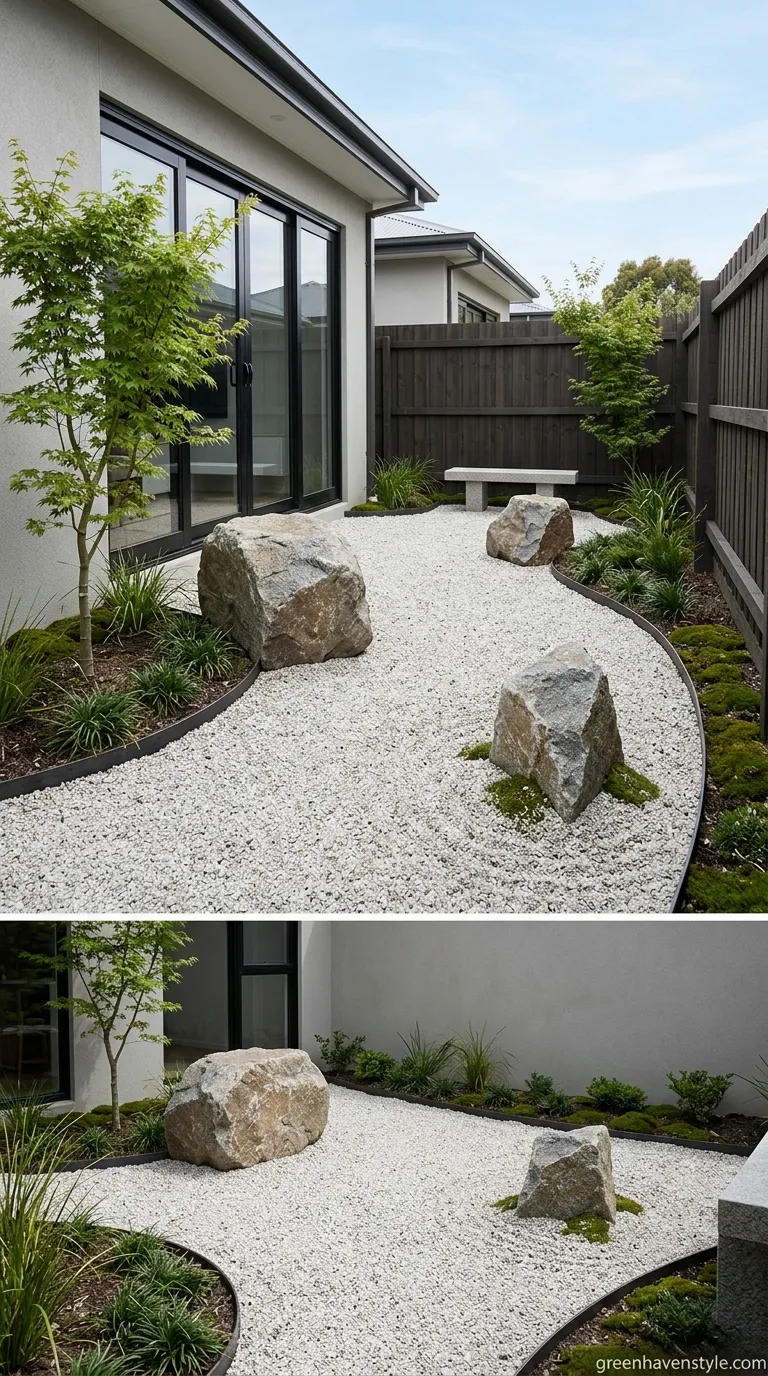
A small courtyard paved primarily with neutral gravel and punctuated with carefully selected larger stones creates clean minimalist spaces that feel larger than actual dimensions. This approach maximizes usable area while maintaining authentic zen aesthetic through material restraint.
Choose pale gravel in crushed granite or pea stone that reflects light and creates neutral backgrounds for accent elements. Strategic stone placement following odd-number and asymmetrical principles adds visual interest without clutter, allowing each element room to breathe and be appreciated.
From what I’ve seen, defining edges clearly with brick, steel, or wood edging prevents gravel migration while creating crisp boundaries that enhance the intentional nature of design. Regular raking maintains pristine appearance and offers meditative maintenance practice that connects you regularly with your peaceful outdoor sanctuary.
9. Bonsai Display Shelf
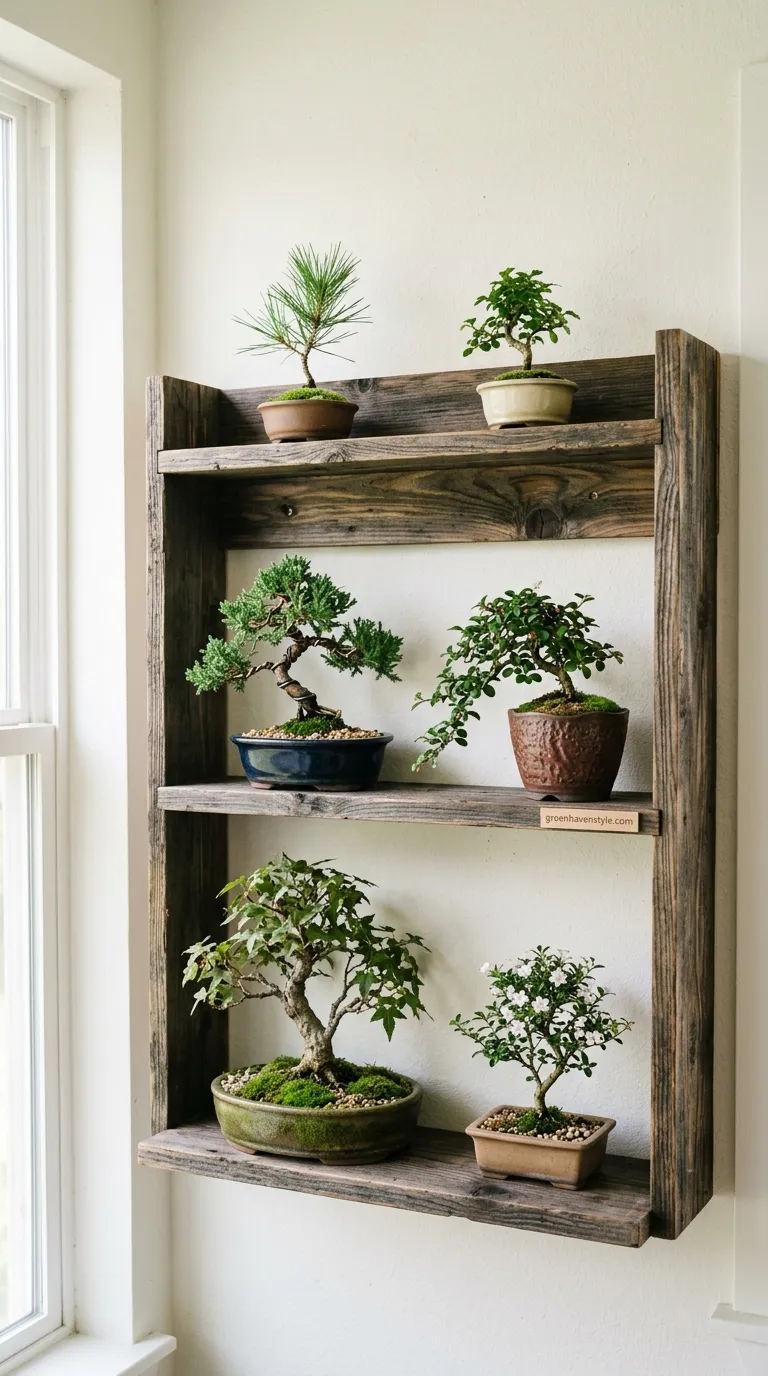
Tiered wooden shelving mounted on walls or positioned as freestanding units displays bonsai collections vertically, showcasing miniature trees without consuming precious ground space. This approach brings traditional Japanese cultivation art into even the smallest urban balconies.
The varying heights create dimensional interest while allowing each specimen individual appreciation. Choose weather-resistant wood like cedar or teak that develops beautiful patina matching the aged character of mature bonsai subjects over time.
I’ve found that it helps to rotate specimens seasonally, featuring trees at their peak interest on prominent display positions. This practice ensures dynamic changing displays while giving less showy specimens recovery time in less prominent positions, maintaining visual excellence year-round.
10. Koi Pond Container
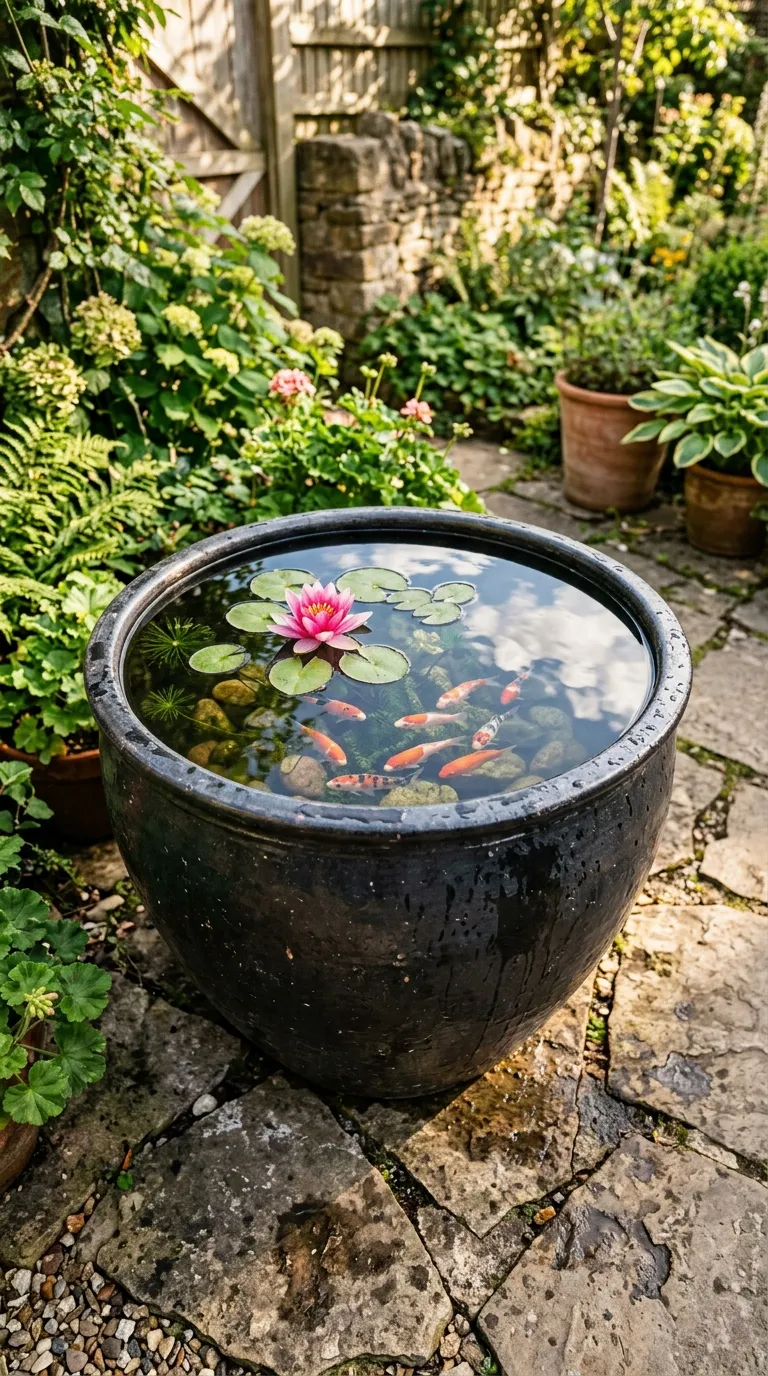
A large ceramic vessel or half-barrel transformed into a miniature koi pond brings water, movement, and living creatures into compact gardens. Even small water features support goldfish or small koi that add color and animation to static plant compositions.
Include miniature water lilies, lotus, or floating plants that provide shade and visual interest while supporting water quality. The combination of still water surfaces reflecting sky and surrounding elements with occasional fish movement creates captivating focal points.
In my experience, container ponds require less maintenance than in-ground versions while offering flexibility to relocate or redesign as garden needs evolve. Recirculating pumps maintain water quality and add gentle sound without the space requirements of traditional pond installations.
11. Pruned Pine Tree
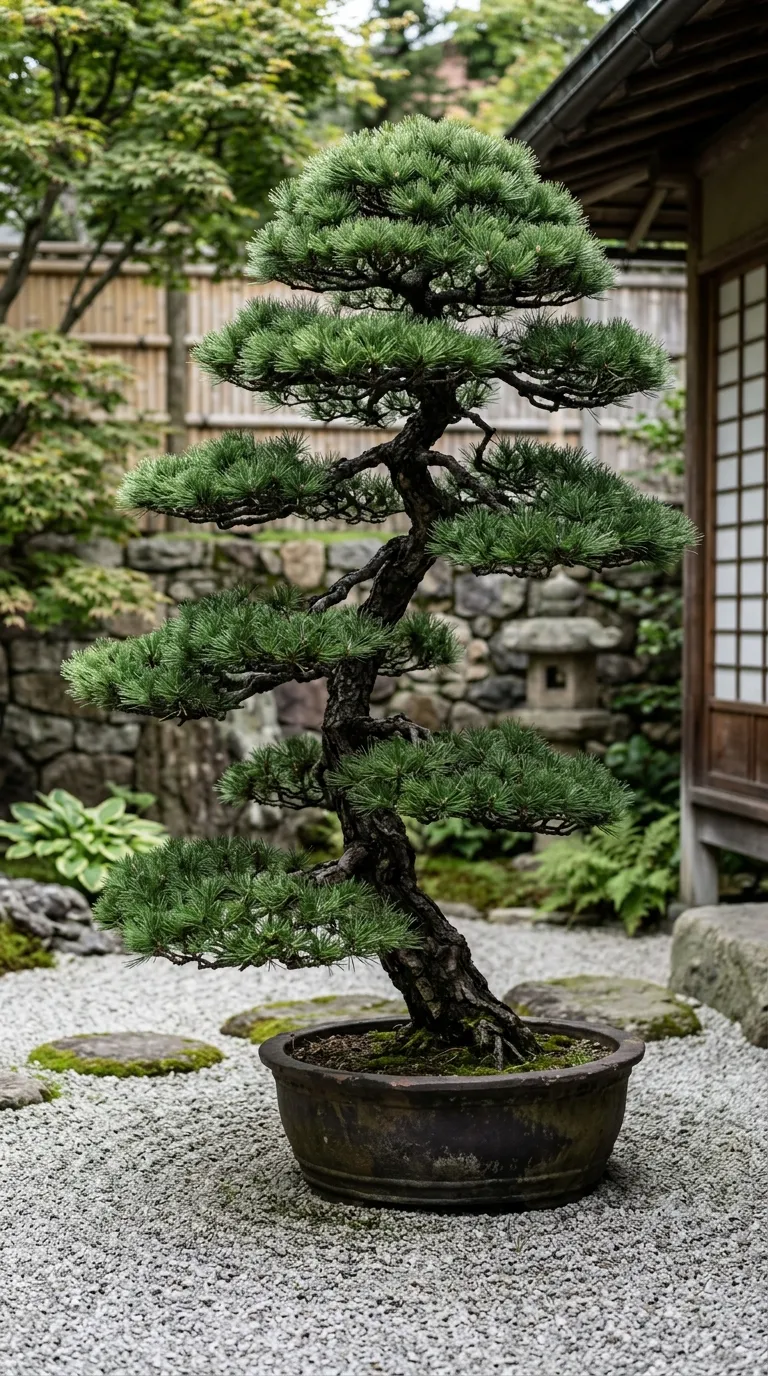
A single carefully pruned pine tree in traditional cloud-pruning style becomes living sculpture that embodies patience and artistic horticultural practice. Even young specimens trained properly deliver immediate impact while improving dramatically as years pass.
Species like Japanese black pine or mugo pine tolerate container culture and respond well to shaping techniques. The horizontal branching layers create architectural interest and timeless elegance associated with classical Japanese garden design and temple landscapes.
I’ve observed that pruning itself becomes meditative practice, connecting gardeners intimately with their plants while exercising creative control over growth direction. This hands-on involvement deepens appreciation and ownership of garden spaces beyond simple passive enjoyment of finished results.
12. Sliding Shoji Screen
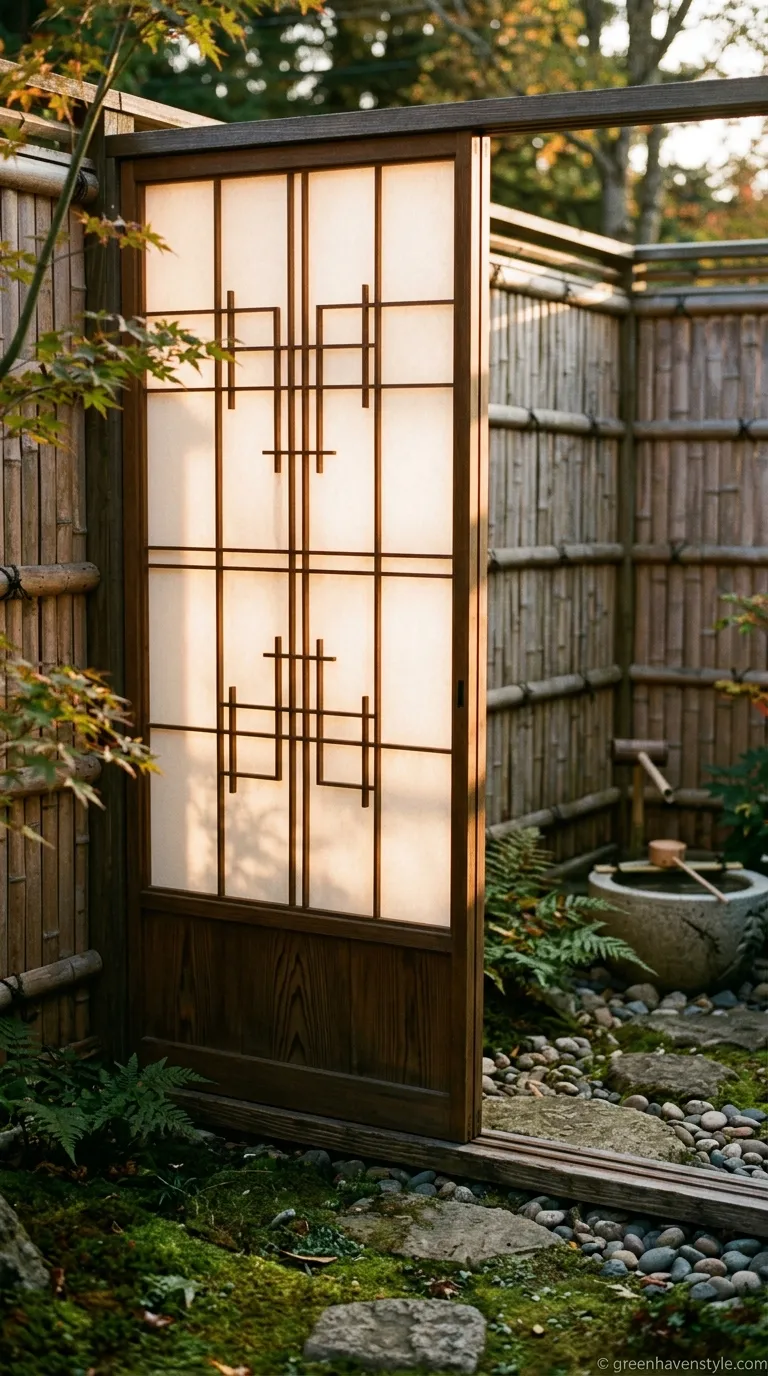
Lightweight wooden frames with translucent panels positioned as movable walls create flexible privacy and space division in small gardens. These traditional architectural elements add authentic Japanese character while solving practical problems in multi-functional outdoor areas.
The filtered light through rice paper or modern polycarbonate panels creates soft glowing effects during evening hours when backlit. Mobility allows seasonal reconfiguration, opening spaces during pleasant weather or creating intimate enclosures during less favorable conditions or when privacy becomes priority.
From what I’ve seen, weatherproof materials extend screen longevity in outdoor applications while maintaining the aesthetic appeal of traditional interior shoji. This fusion of form, function, and cultural authenticity makes screens versatile solutions for contemporary small-space garden challenges.
13. Raked Gravel Patterns
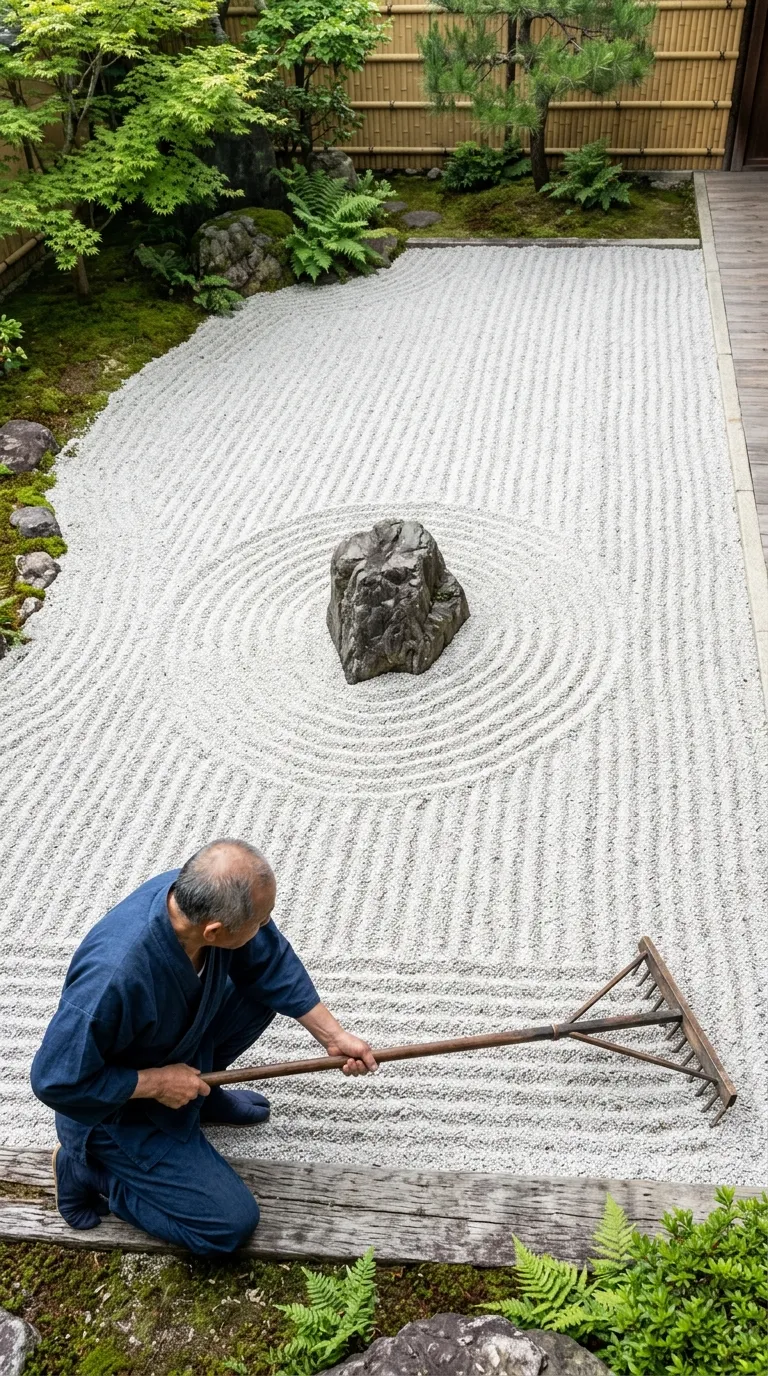
Dedicating sections of small gardens to meticulously raked gravel in flowing patterns creates dynamic surfaces that change with each maintenance session. The practice originated in Zen Buddhist temples as walking meditation and contemplative exercise.
Traditional patterns include straight lines representing calm seas, circular ripples suggesting water drops, or swirling designs indicating currents around stone islands. Using specialized wooden rakes with evenly spaced tines ensures consistent pattern depth and spacing for professional-looking results.
I’ve noticed visitors naturally lower their voices and move more carefully around raked sections, unconsciously respecting the obvious care and intention invested. This behavioral shift transforms gardens into sacred spaces that command respect and mindfulness from everyone who enters.
14. Fern and Shade Garden
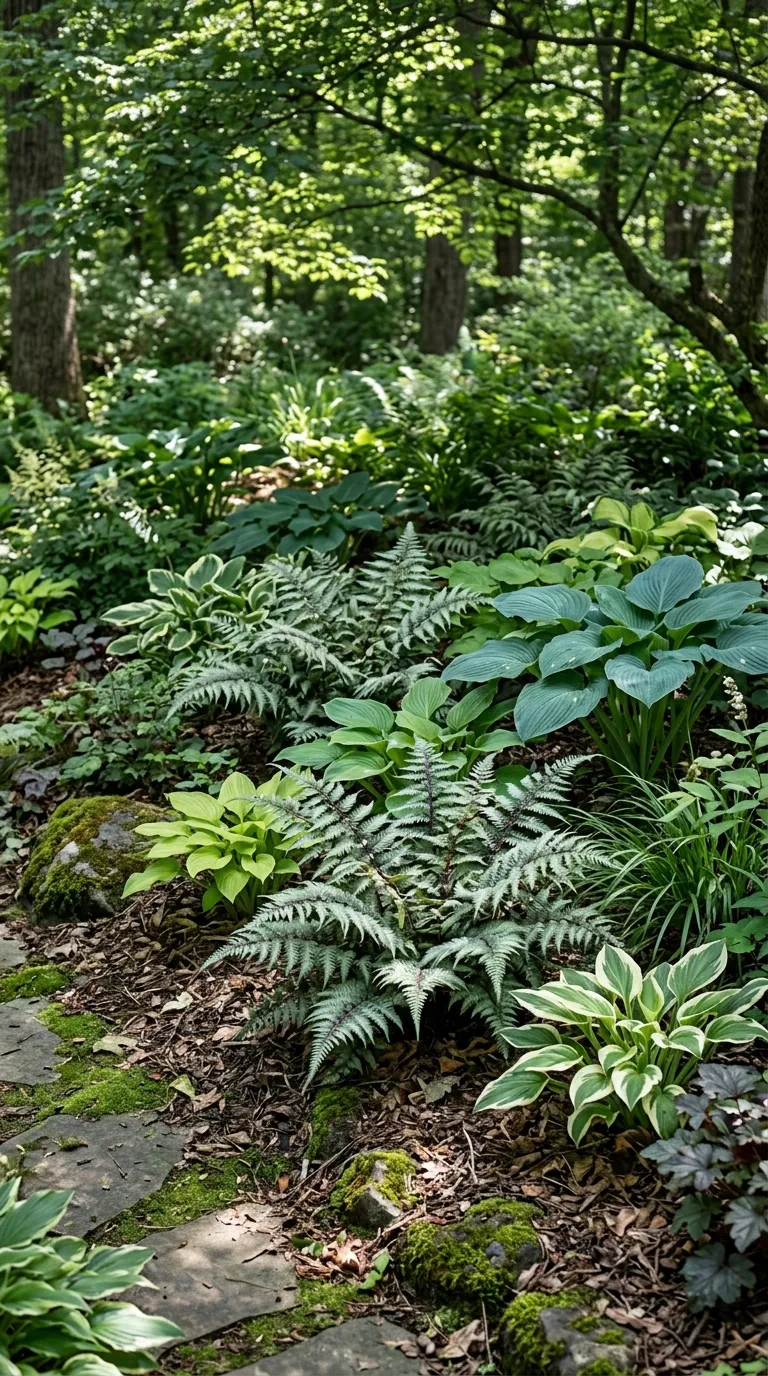
Shade-loving ferns paired with hostas, astilbes, and other woodland plants create lush green layers in areas where sun-loving specimens struggle. This approach works beautifully in urban settings where buildings create challenging light conditions for conventional gardening.
The varied textures and countless green shades from lime to deep forest create rich tapestries that feel cool and refreshing even during hot weather. Japanese painted ferns and autumn ferns offer particular elegance with their architectural fronds and subtle coloring variations.
In my experience, shade gardens require less watering and maintenance than sunny locations, making them ideal for busy homeowners wanting beautiful results without demanding care schedules. The peaceful green refuge becomes year-round asset rather than problem area requiring constant attention.
15. Tea Garden Corner
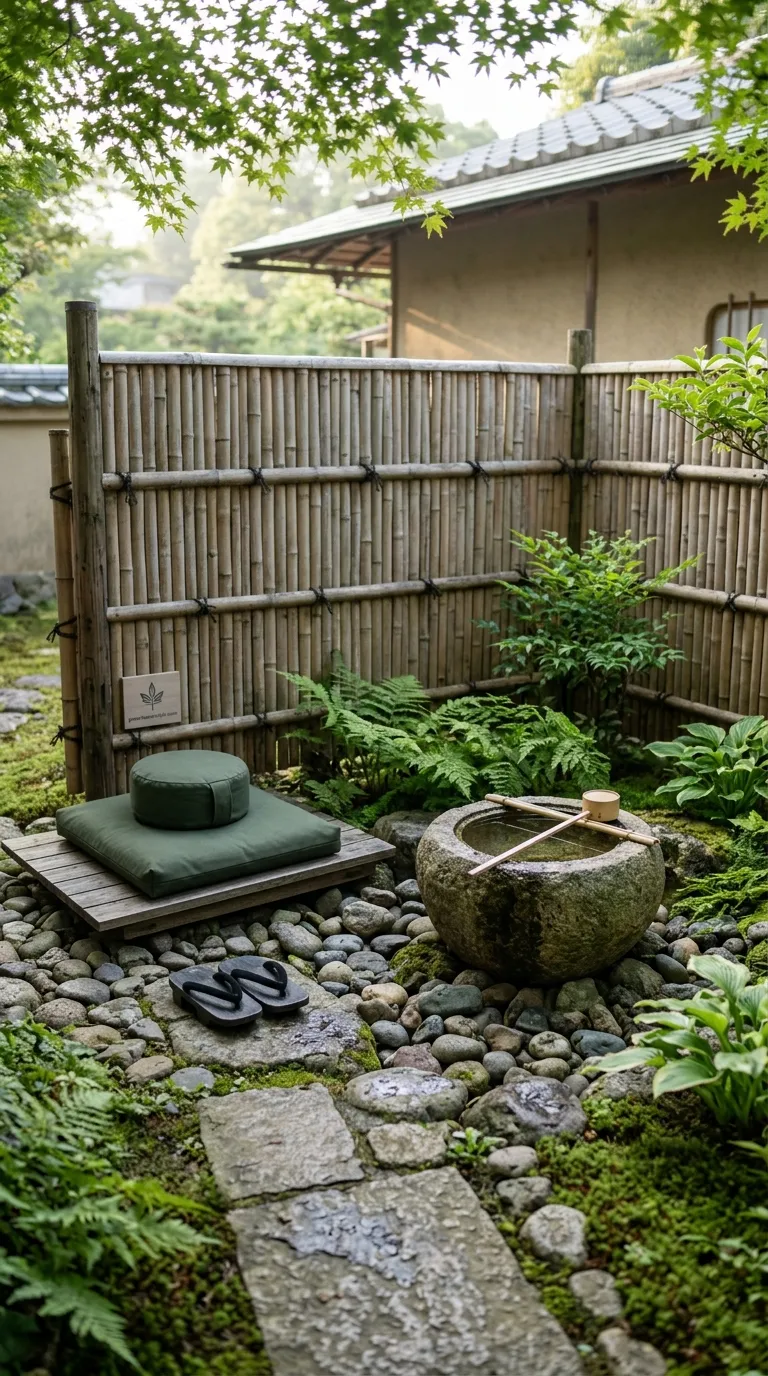
A dedicated small area with a simple stone basin, bamboo ladle, and nearby seating creates a chashitsu-inspired space for contemplative tea preparation and consumption. Even tiny corners transform into meaningful destinations when thoughtfully appointed with traditional elements.
Position the basin on a bed of small stones with a simple bamboo fence backdrop for authentic atmosphere. Add a weatherproof cushion or low stool nearby for comfortable sitting during private tea moments or quiet morning meditation before daily activities begin.
I’ve found this intimate space becomes a daily ritual destination rather than occasional novelty, anchoring morning or evening routines in calming practice. The simple act of ladling water and preparing tea connects us with centuries of tradition while creating present-moment awareness in our hectic modern lives.
Conclusion
Creating peaceful Japanese-inspired retreats proves that tranquil outdoor sanctuaries don’t require expansive properties or unlimited budgets. These small Japanese garden ideas demonstrate how mindful design, natural materials, and restrained plant palettes transform even the tiniest spaces into serene destinations.
I’ve seen how incorporating just a few authentic elements like stone lanterns, bamboo, or raked gravel completely shifts the energy of compact yards and balconies. The key lies in embracing simplicity rather than attempting to include every traditional component in limited square footage.
Start with one or two ideas that resonate most strongly with your space and aesthetic preferences, then expand gradually as your confidence and understanding of Japanese design principles deepens. There’s profound wisdom in the patient, incremental approach that mirrors traditional garden development.
Save this post to your Pinterest boards for ongoing inspiration, experiment with these concepts in your own compact outdoor areas, and share with friends who dream of creating peaceful zen gardens regardless of space limitations available to them!


