
8 Easy Flowers to Grow in Your Home Garden
Imagine stepping into your backyard and being greeted by waves of color, sweet fragrances, and butterflies dancing from bloom to bloom. Creating a beautiful flower garden at home isn’t just about planting seeds; it’s about crafting a living sanctuary that reflects your personality and brings joy every single day.
Whether you’re working with a sprawling yard or a cozy corner, the right flower garden design can completely transform your outdoor living experience. I’ve noticed that people often feel overwhelmed by where to start, but the truth is that gardening becomes incredibly rewarding once you choose flowers that suit your climate and care level.
8 Easy Flowers to Grow in Your Home Garden
In this guide, you’ll discover eight inspiring home garden flowers ideas that combine visual beauty with practical growing tips. From cottage-style charm to modern minimalist arrangements, these ideas will help you create an outdoor space you’ll love spending time in, no matter your gardening experience.
Layered Cottage Garden
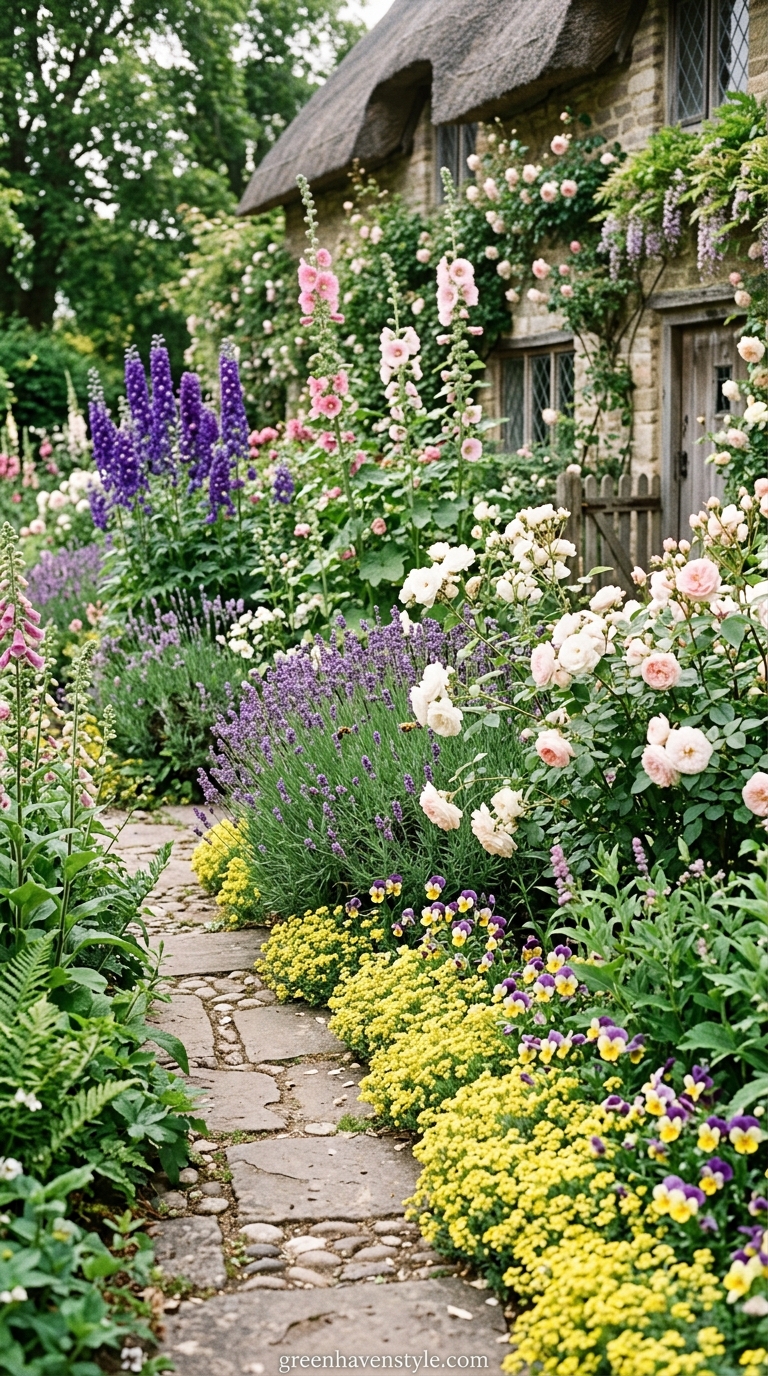
A charming cottage garden bursting with colorful blooms creates an enchanting outdoor retreat that feels both wild and intentional. This timeless approach to home garden flowers ideas combines multiple flower heights and textures for maximum visual impact.
The beauty of a cottage-style flower arrangement lies in its organized chaos. By mixing tall hollyhocks or delphiniums in the back with medium-height roses or lavender in the middle, and low-growing alyssum or pansies at the front, you create depth that draws the eye naturally through the space.
I’ve found that this layering technique works brilliantly even in smaller gardens because it makes the area feel larger and more abundant. The key is choosing plants that bloom at different times throughout the season, ensuring your garden maintains continuous color from spring through fall without requiring constant replanting.
Monochromatic Color Scheme
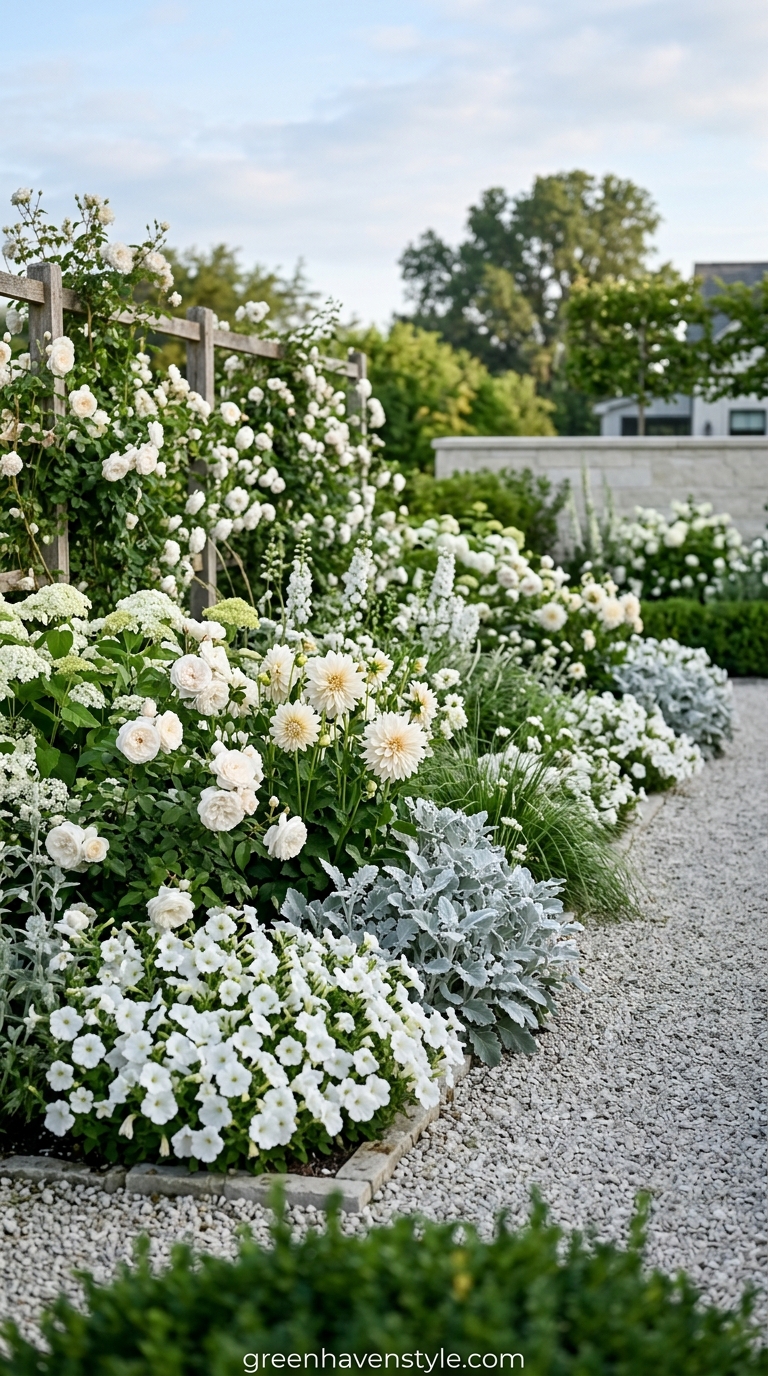
Focusing on flowers in a single color family creates a sophisticated and visually calming garden design that feels intentionally curated. This approach to backyard flower arrangements demonstrates that limitation often breeds the most striking creativity.
When you commit to one color palette, whether soft whites, vibrant purples, or cheerful yellows, your garden takes on a gallery-like quality that photographs beautifully. The uniformity allows you to play with different flower shapes, sizes, and textures without the space feeling chaotic or overwhelming.
In my experience, white gardens work especially well for evening enjoyment since pale blooms seem to glow in twilight. Purple schemes attract beneficial pollinators like bees and butterflies, while yellow gardens radiate warmth and energy that can brighten even shaded areas when positioned strategically.
Vertical Flower Wall
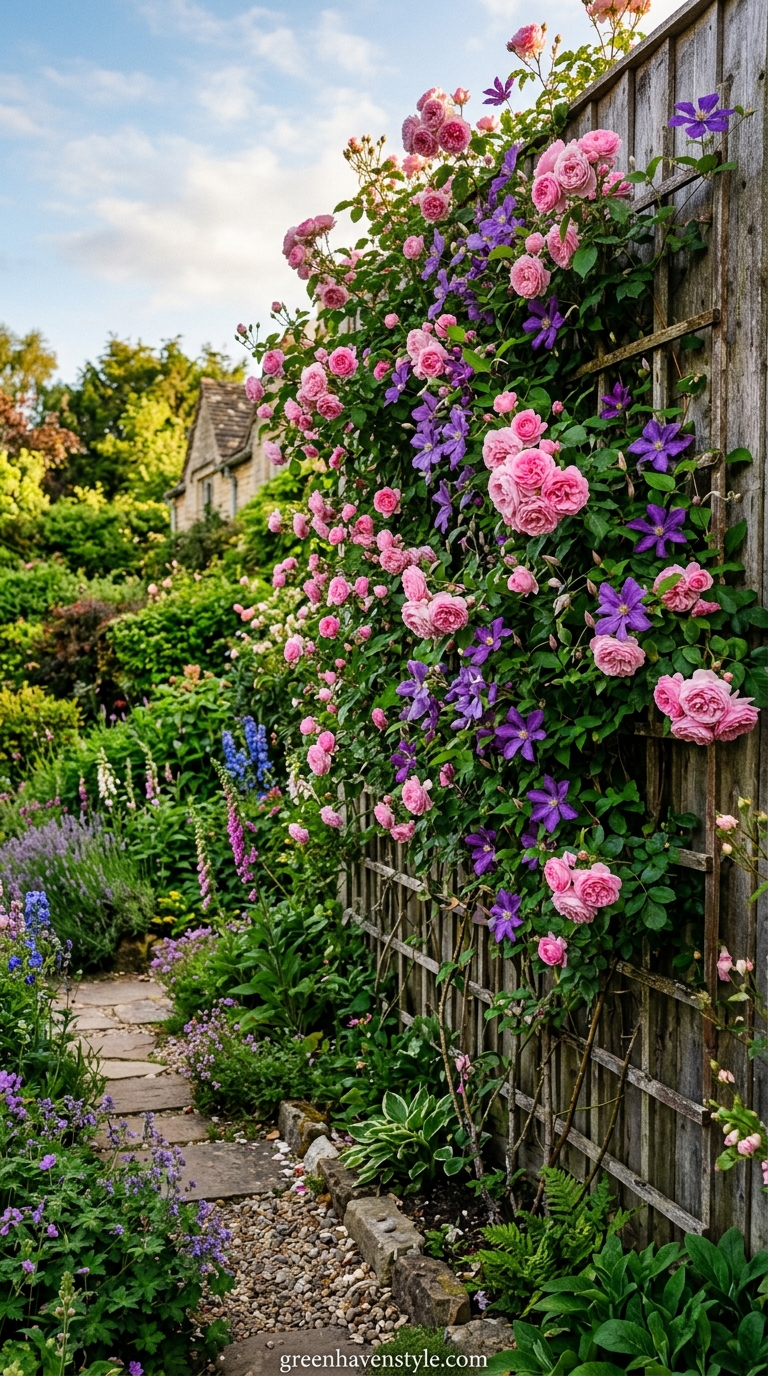
Transforming a bare fence or wall into a living canvas of climbing flowers maximizes growing space while creating a stunning focal point. This vertical approach is one of the most space-efficient flower planting ideas for urban or compact gardens.
Climbing roses, clematis, morning glories, or sweet peas can turn previously unused vertical surfaces into breathtaking displays of color and fragrance. Install a simple trellis system or use wire guides to help your chosen climbers establish their upward growth pattern, and within one season you’ll have a living wall.
I’ve seen this technique completely transform narrow side yards that seemed too tight for traditional garden beds. The vertical growth draws the eye upward, making spaces feel taller and more expansive while also providing privacy screening and cooling shade when vines mature fully.
Pollinator-Friendly Wildflower Meadow
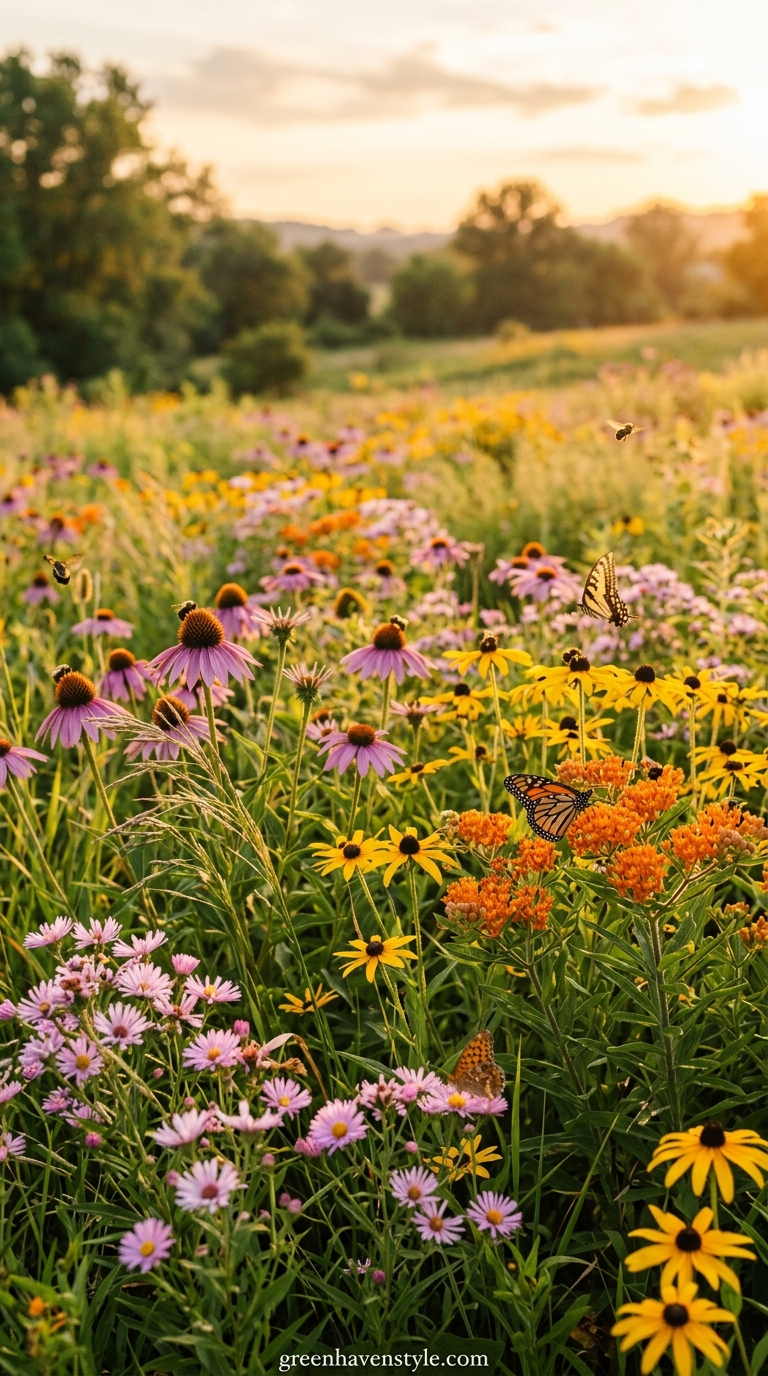
Creating a naturalistic wildflower meadow supports local ecosystems while delivering effortless beauty that requires minimal maintenance once established. This eco-conscious approach to garden flower design celebrates native species and sustainable gardening practices.
Rather than fighting your soil and climate conditions, a wildflower meadow works with them by featuring plants naturally adapted to your region. Species like coneflowers, black-eyed Susans, lupines, and native asters create movements and texture that shift beautifully with breezes and changing light throughout the day.
From what I’ve seen, meadow gardens become richer and more diverse each year as plants self-seed and beneficial insects establish permanent residence. The initial investment in proper site preparation and native seed mixes pays off with years of low-maintenance color that supports birds, butterflies, and pollinators.
Container Garden Clusters
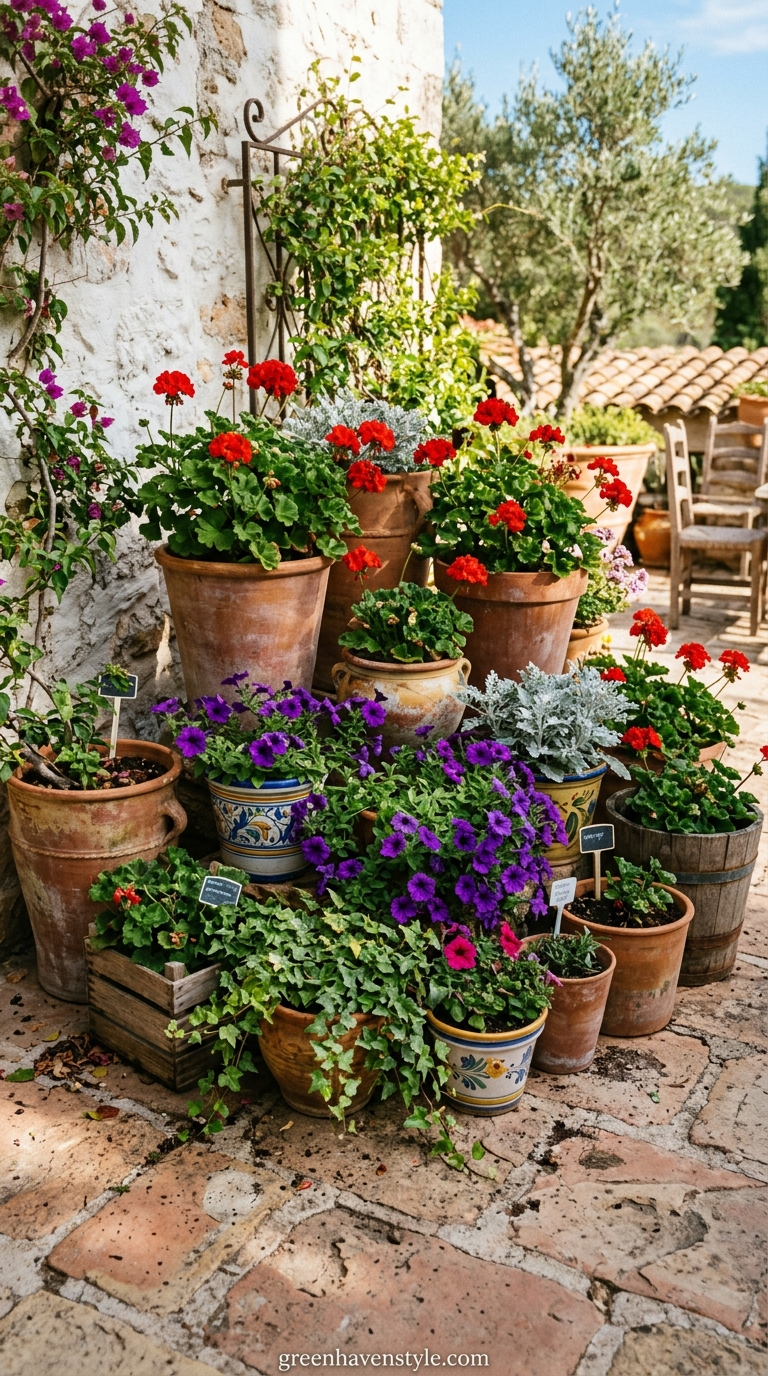
Grouping flowering plants in varied containers creates flexible, moveable garden displays perfect for patios, decks, or balconies. This adaptable approach to potted flower arrangements allows anyone to enjoy gardening regardless of available ground space.
By mixing container sizes, heights, and materials like terracotta, glazed ceramic, or weathered wood, you add visual interest before a single flower even blooms. Fill these vessels with complementary plants that share similar water and light needs, such as petunias with trailing ivy or geraniums paired with dusty miller.
I’ve experimented with this approach extensively and found that clustering odd numbers of pots in varying heights creates the most pleasing compositions. The portability means you can refresh your garden’s look seasonally, move containers to follow sunlight, or protect tender plants during unexpected weather changes.
Cutting Garden Rows
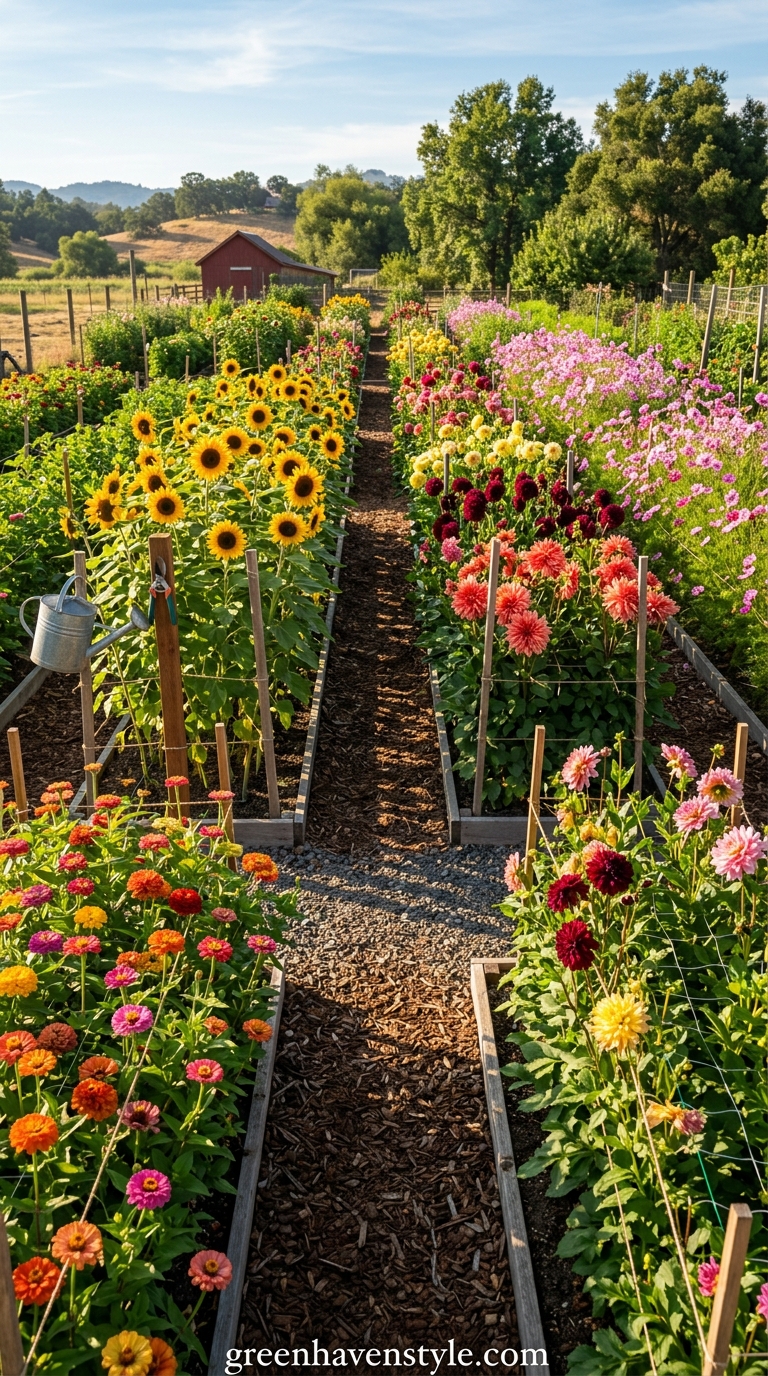
Dedicating a garden section specifically for cut flowers ensures you always have fresh blooms for indoor arrangements without depleting your display gardens. This practical home garden flowers ideas approach combines beauty with functionality in the smartest way.
Plant flowers in organized rows like zinnias, dahlias, sunflowers, and cosmos for easy access and harvesting. This utilitarian layout maximizes production while simplifying watering, weeding, and general maintenance since you can walk between rows without compacting soil around plant roots.
In my experience, having a dedicated cutting garden actually increases how much time I spend enjoying flowers both outdoors and inside. There’s something deeply satisfying about harvesting your own bouquets, and knowing these plants are grown specifically for cutting means you never feel guilty about taking blooms.
Shade Garden Sanctuary
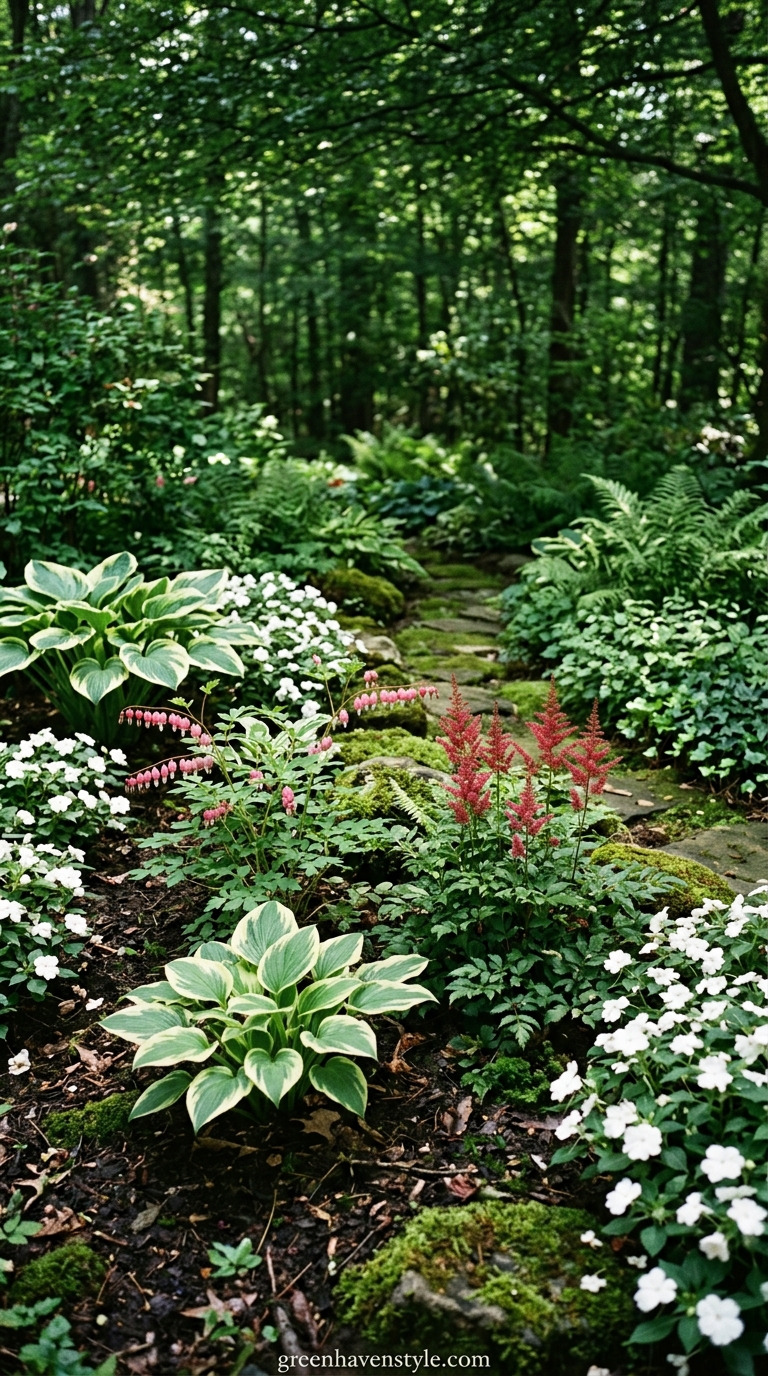
Embracing shade-loving flowering plants transforms challenging low-light areas into lush, peaceful retreats filled with unexpected color. This often-overlooked approach to shaded flower garden ideas proves that gardens can thrive without full sun exposure.
Hostas with their dramatic foliage, delicate bleeding hearts, vibrant impatiens, and elegant astilbes create layers of texture and color in areas where sun-loving plants would struggle. These shade specialists often feature interesting leaf patterns and shapes that provide visual interest even when not actively blooming.
I’ve noticed that shade gardens tend to feel cooler and more inviting during hot summer months, creating natural respite areas in the landscape. The key is improving soil quality with compost and ensuring adequate moisture since tree roots often compete with understory plants for available water and nutrients.
Seasonal Succession Planting
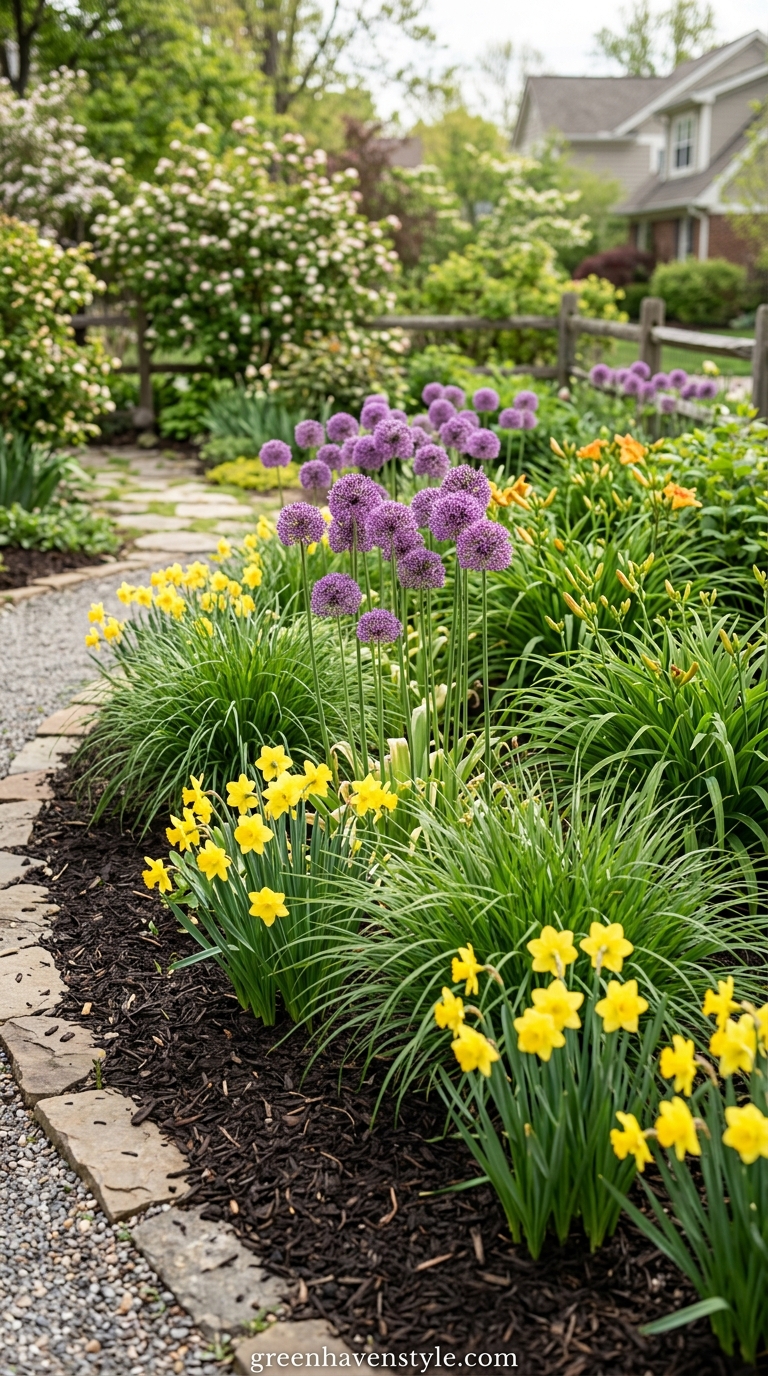
Planning your flower garden for continuous blooms from early spring through late fall ensures year-round visual interest and color. This strategic approach to seasonal flower planning demonstrates thoughtful garden design that rewards attention throughout growing seasons.
Start with early bulbs like crocuses and daffodils, transition to summer perennials such as daylilies and coreopsis, then finish with fall performers like asters and ornamental grasses. By selecting plants with staggered bloom times, you create a garden that constantly evolves rather than peaking once then fading.
I’ve found that keeping a simple garden journal noting what blooms when helps refine this approach each year. You’ll identify gaps in your seasonal coverage and can add specific plants to fill those quiet periods, eventually achieving that coveted garden that always has something beautiful happening.
Conclusion
Creating a stunning flower garden at home is one of the most rewarding projects you can undertake, transforming your outdoor space into a personal paradise that evolves with the seasons. These eight home garden flowers ideas offer diverse approaches to suit different spaces, climates, and gardening experience levels.
Whether you’re drawn to the romantic abundance of cottage gardens, the sleek sophistication of monochromatic schemes, or the eco-friendly beauty of wildflower meadows, there’s an approach here that will resonate with your vision. I’ve seen how even small changes in flower selection and arrangement can completely transform a yard’s character and usability.
Start with just one idea that excites you most, and remember that gardens are living projects that improve with time and attention. Save this guide for future reference, experiment with combinations that reflect your personal style, and don’t be afraid to let your garden evolve as you learn what thrives in your unique conditions.


