
13 Creative Backyard Vegetable Garden Layout Ideas for Any Space
Picture walking into your backyard and harvesting fresh tomatoes, crisp lettuce, and fragrant herbs you grew yourself. The satisfaction of homegrown vegetables starts with smart planning that makes the most of every square foot you have available.
These backyard vegetable garden layout ideas transform ordinary yards into productive food-growing spaces that look beautiful and function efficiently. Whether you’re working with a sprawling lawn or a modest corner plot, the right layout makes all the difference between frustration and abundant harvests.
The secret to successful vegetable gardening isn’t just what you plant, but how you arrange everything. Smart layouts improve sunlight exposure, simplify watering and maintenance, prevent pest problems, and maximize yields from limited space. I’ve experimented with various configurations over the years, learning that thoughtful planning before planting saves countless hours and prevents common growing problems.
13 Creative Backyard Vegetable Garden Layout Ideas for Any Space
From traditional row gardens to innovative vertical systems, these layout strategies work for beginners and experienced gardeners alike. Get ready to discover organizational approaches that increase productivity while creating outdoor spaces you’ll be proud to show off and enjoy throughout the growing season.
1. Raised Bed Grid System 
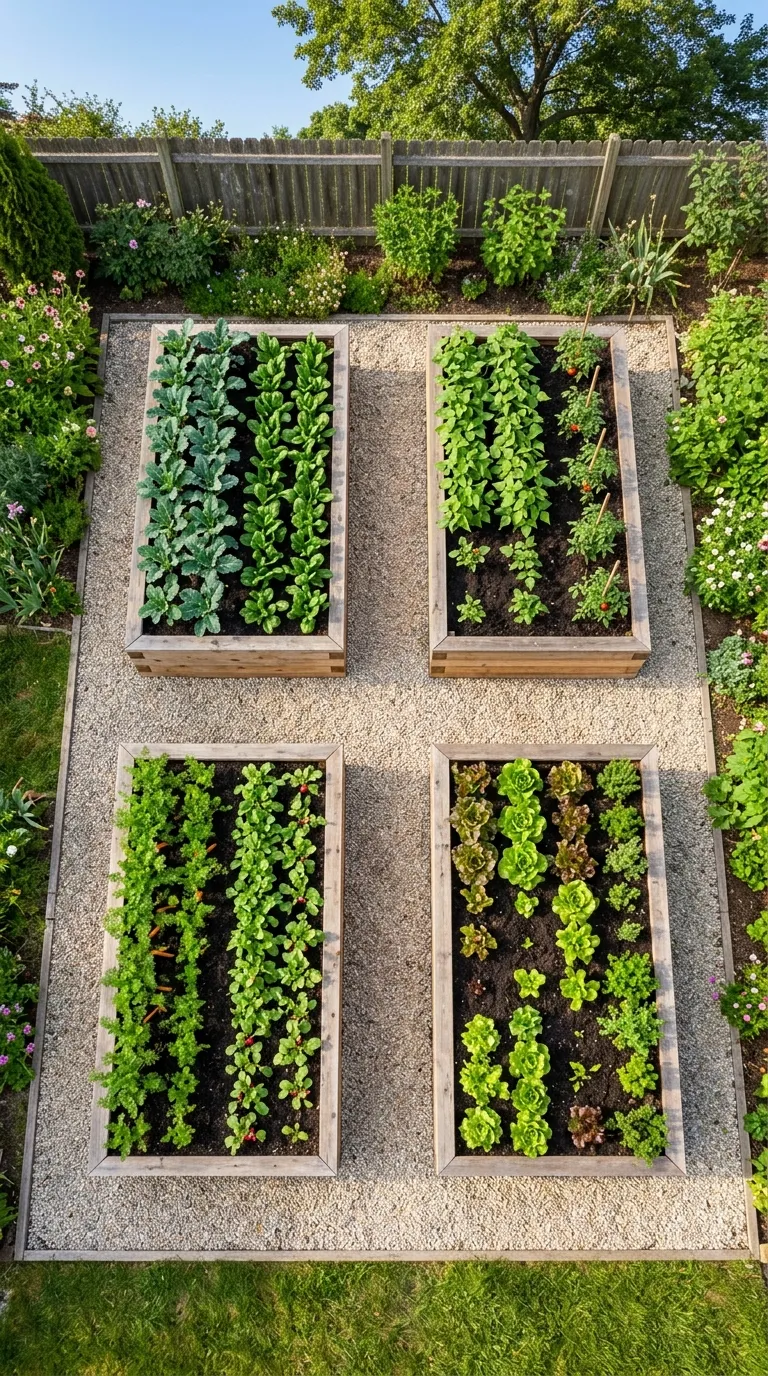
Four rectangular raised beds arranged in a grid pattern with walking paths between each box creates organized growing zones that separate plant families and simplify crop rotation. The elevated structure improves drainage while the defined spaces prevent overcrowding and make maintenance accessible.
This classic configuration works beautifully for beginners because the physical boundaries clearly define planting areas and discourage weeds from spreading between sections. Each bed can accommodate different soil amendments tailored to specific crop needs without affecting neighboring plantings.
I’ve found that four-foot-wide beds allow comfortable reach from either side without stepping on soil, preventing compaction that damages root systems. The pathways between beds provide easy access for wheelbarrows, harvest baskets, and equipment while giving plants room to breathe and reducing fungal disease risks from poor air circulation.
2. Vertical Tower Garden
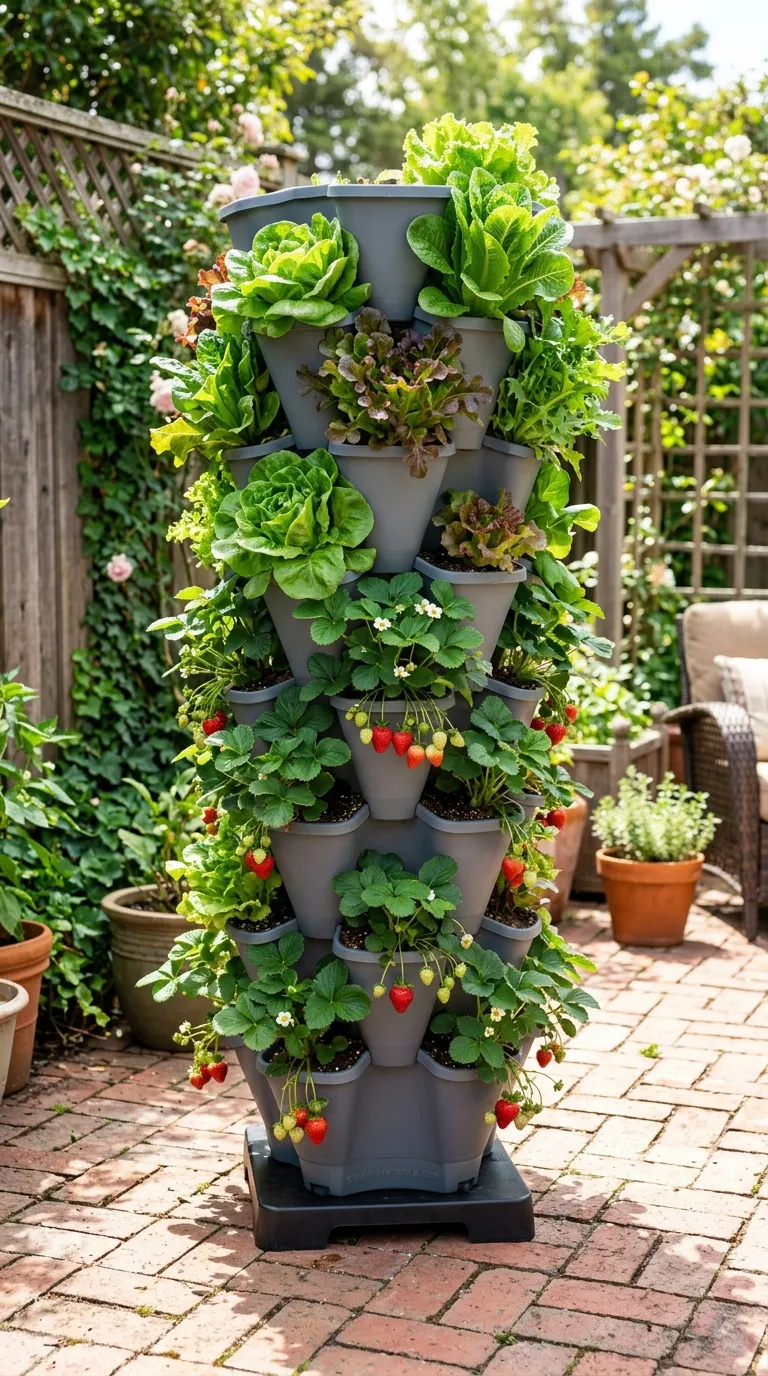
Stacked planter pockets or tower systems growing upward instead of outward maximize production in minimal footprint spaces. This space-saving approach works perfectly for small yards, patios, or balconies where ground space comes at a premium.
Strawberries, lettuce, herbs, and compact vegetables thrive in vertical configurations that keep produce clean and easy to harvest at comfortable standing height. The tiered arrangement creates visual interest while the elevated positioning improves air circulation and reduces pest damage from ground-dwelling insects.
In my experience, the tricky part is ensuring consistent watering throughout all levels since upper pockets dry faster than lower ones. Drip irrigation systems or self-watering designs solve this challenge, making towers as low-maintenance as they are productive and space-efficient.
3. Horseshoe Shape Design
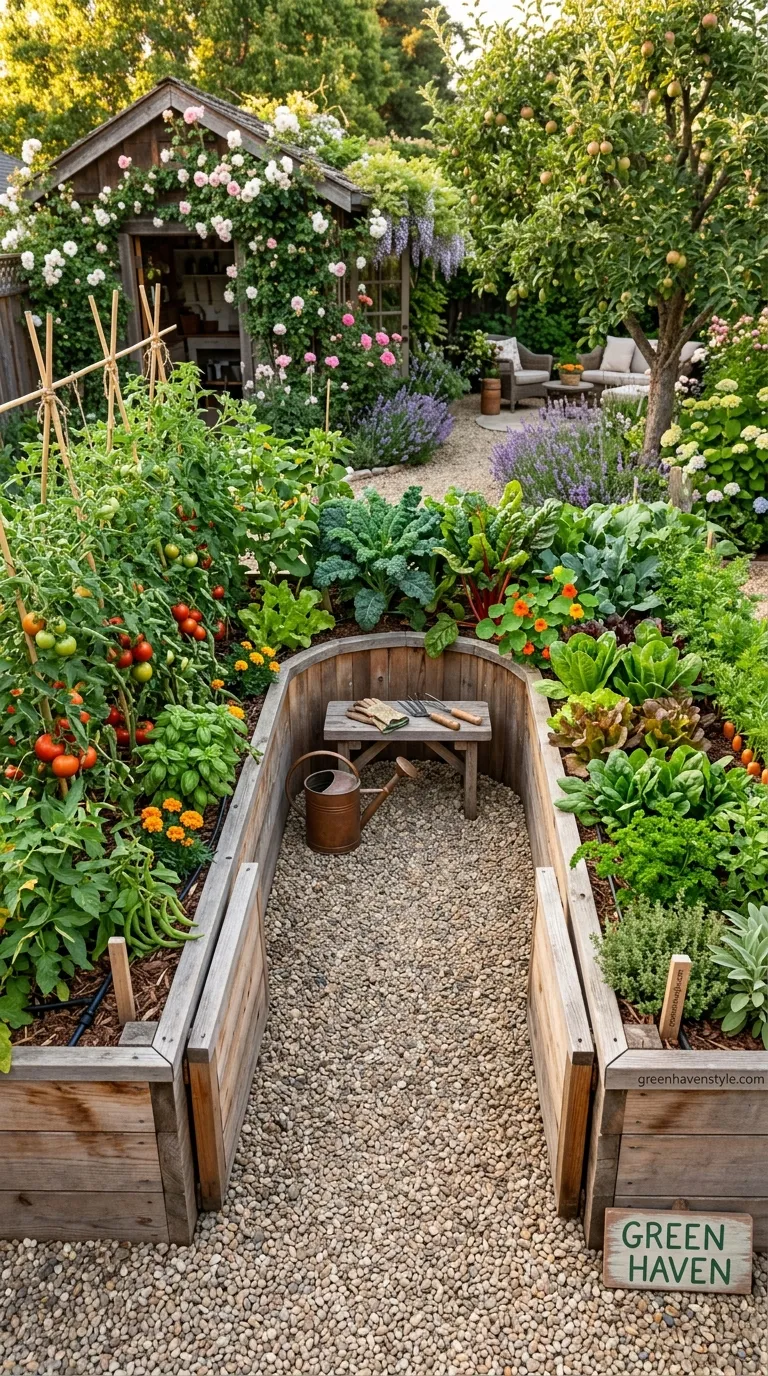
A U-shaped garden bed surrounding a central workspace on three sides puts all plants within easy reach while creating an enclosed productive area. This configuration maximizes growing space while maintaining accessibility from the open side for equipment and comfortable movement.
The curved or angled beds create microclimates with varying sun exposures throughout the day, allowing strategic placement of heat-loving tomatoes in the sunniest sections and shade-tolerant greens in areas receiving less direct light. The central working area provides convenient space for potting, harvesting, and tool storage.
From what I’ve seen, this layout naturally encourages garden engagement because the surrounding beds create an inviting room-like atmosphere. The protected central zone also serves beautifully for seating where you can admire your productive handiwork while planning future plantings and enjoying outdoor moments.
4. Keyhole Pathway Layout
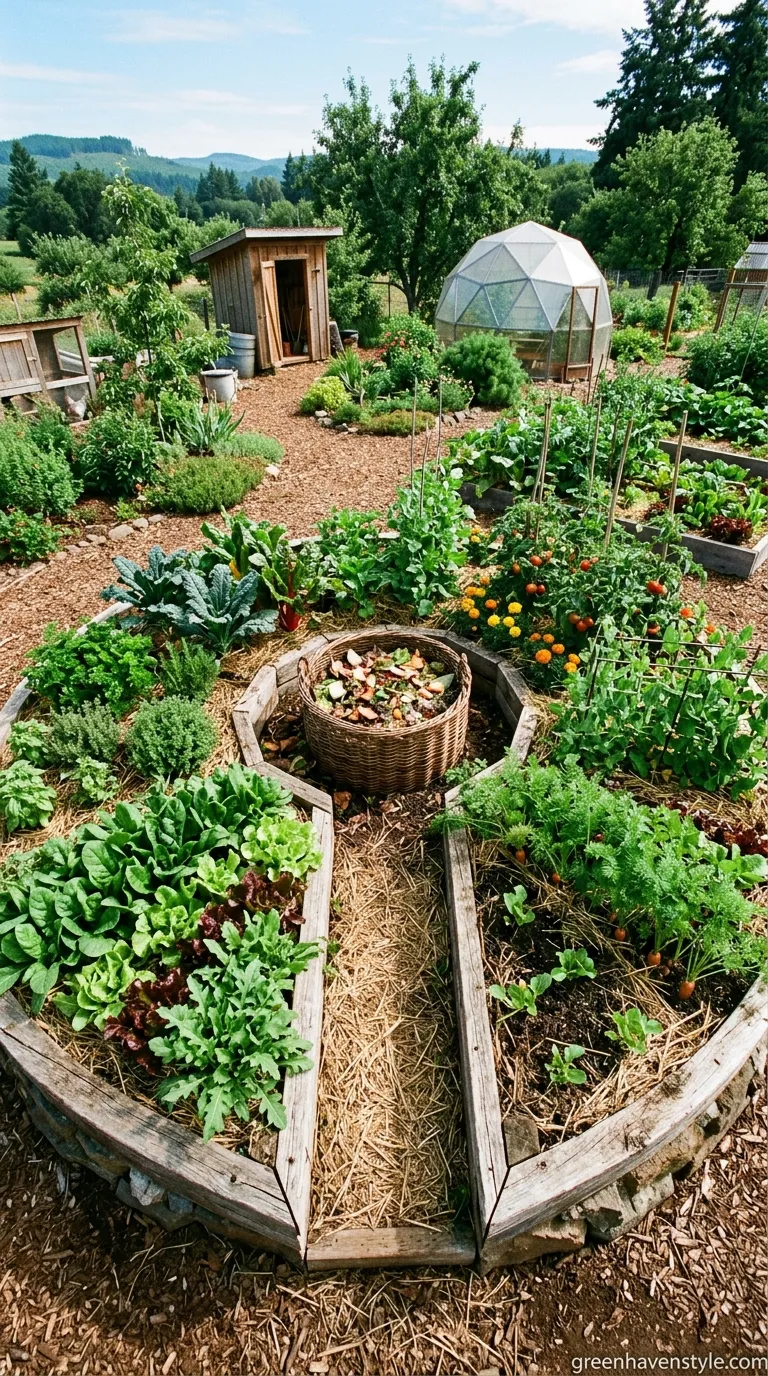
Circular or semicircular beds with a central pathway extending inward like a keyhole allows access to the bed’s center without walking on soil. This clever design maximizes planting area while ensuring every plant remains reachable for maintenance and harvesting.
The radiating shape creates natural zones for companion planting groupings that benefit each other through pest deterrence or nutrient sharing. Tall plants positioned toward the back prevent shading smaller crops, while the curved edges soften garden geometry and create appealing visual flow.
I’ve noticed that keyhole gardens become conversation pieces that combine beauty with function in ways rectangular beds simply cannot match. The central composting basket option popular in permaculture designs provides nutrients directly to surrounding plants while eliminating separate compost pile maintenance.
5. Square Foot Grid
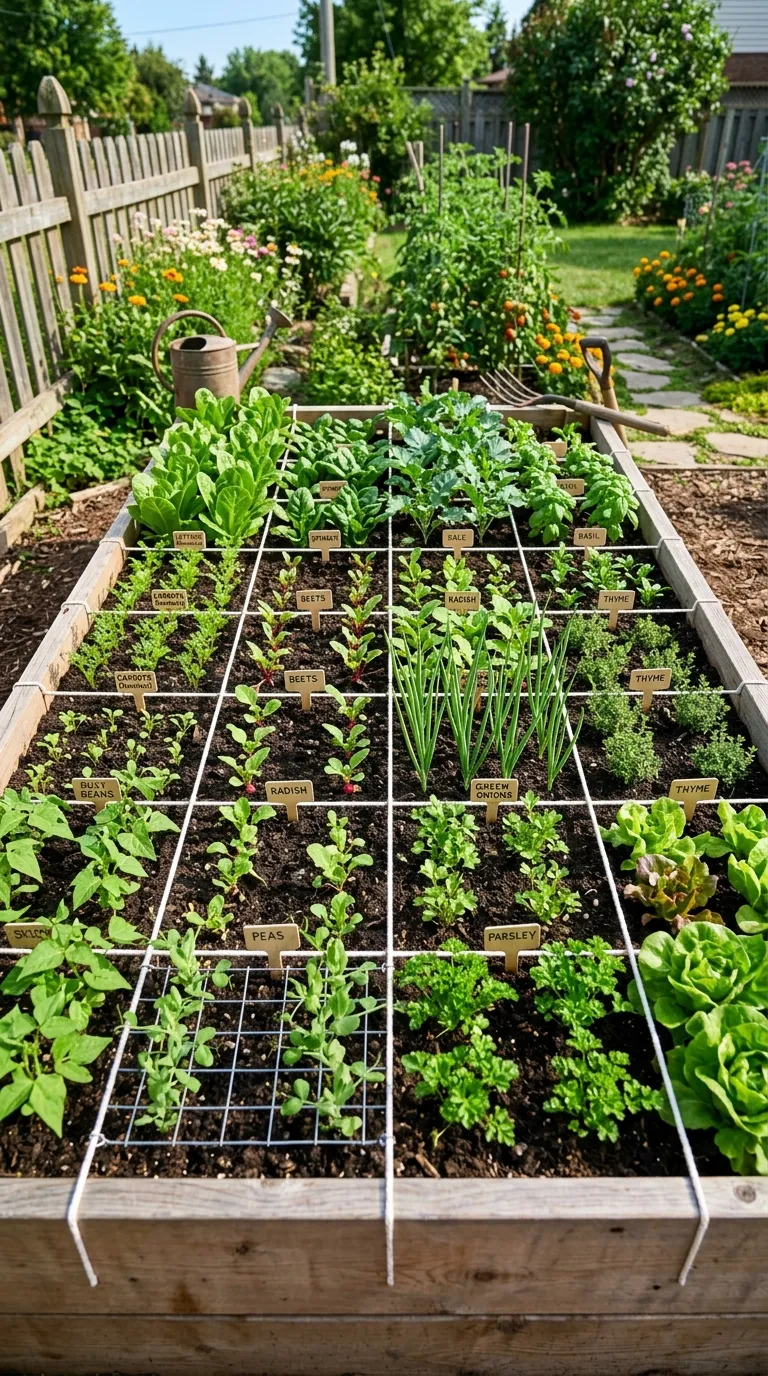
Dividing raised beds into one-foot squares using string or wood dividers creates precise planting zones that prevent overcrowding and maximize space efficiency. Each square accommodates specific plant quantities based on mature size, ensuring proper spacing without wasted gaps.
This methodical approach simplifies planning and succession planting because you can track exactly what grew in each square and rotate crops accordingly. The visual grid helps beginners understand spacing requirements while the compact arrangement produces impressive yields from surprisingly small footprints.
I’ve experimented with both permanent and temporary grid markers, finding that visible divisions help maintain organization throughout chaotic growing seasons. The system adapts beautifully to any bed size, making it scalable from tiny urban plots to expansive suburban gardens seeking maximum productivity.
6. Row Garden Traditional
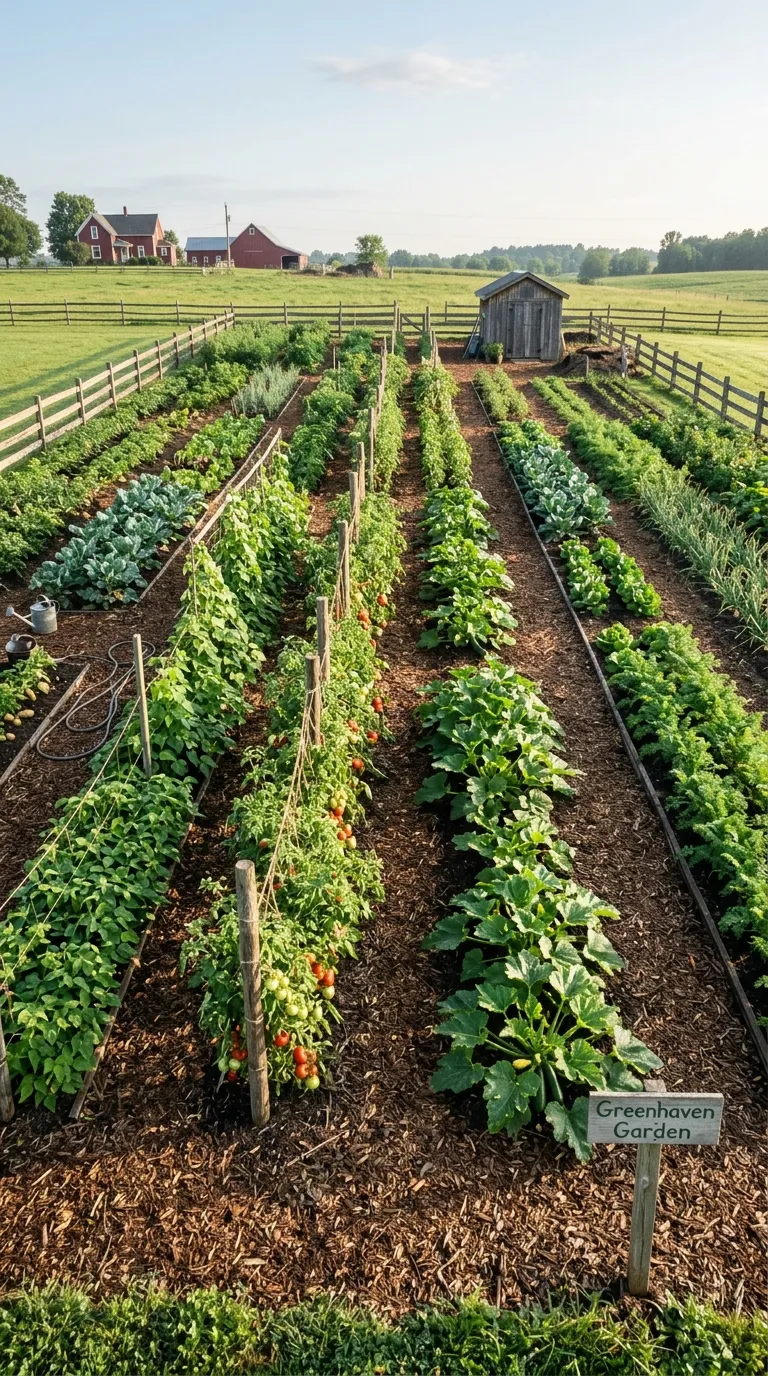
Straight parallel rows with walking paths between them creates the classic vegetable garden layout that simplifies planting, maintenance, and mechanical cultivation. This time-tested configuration works especially well for larger properties where space allows generous proportions.
The linear arrangement facilitates tiller access, makes trellising straightforward, and creates clear sight lines for monitoring plant health and ripeness. Rows running north-south receive equal sun exposure on both sides, promoting balanced growth and preventing one-sided development from directional lighting.
From what I’ve seen, it depends heavily on row orientation and spacing for success. Leaving adequate pathways between rows prevents feeling cramped during harvest while allowing comfortable access with wagons or carts for transporting heavy harvests and soil amendments throughout the season.
7. Spiral Herb Garden
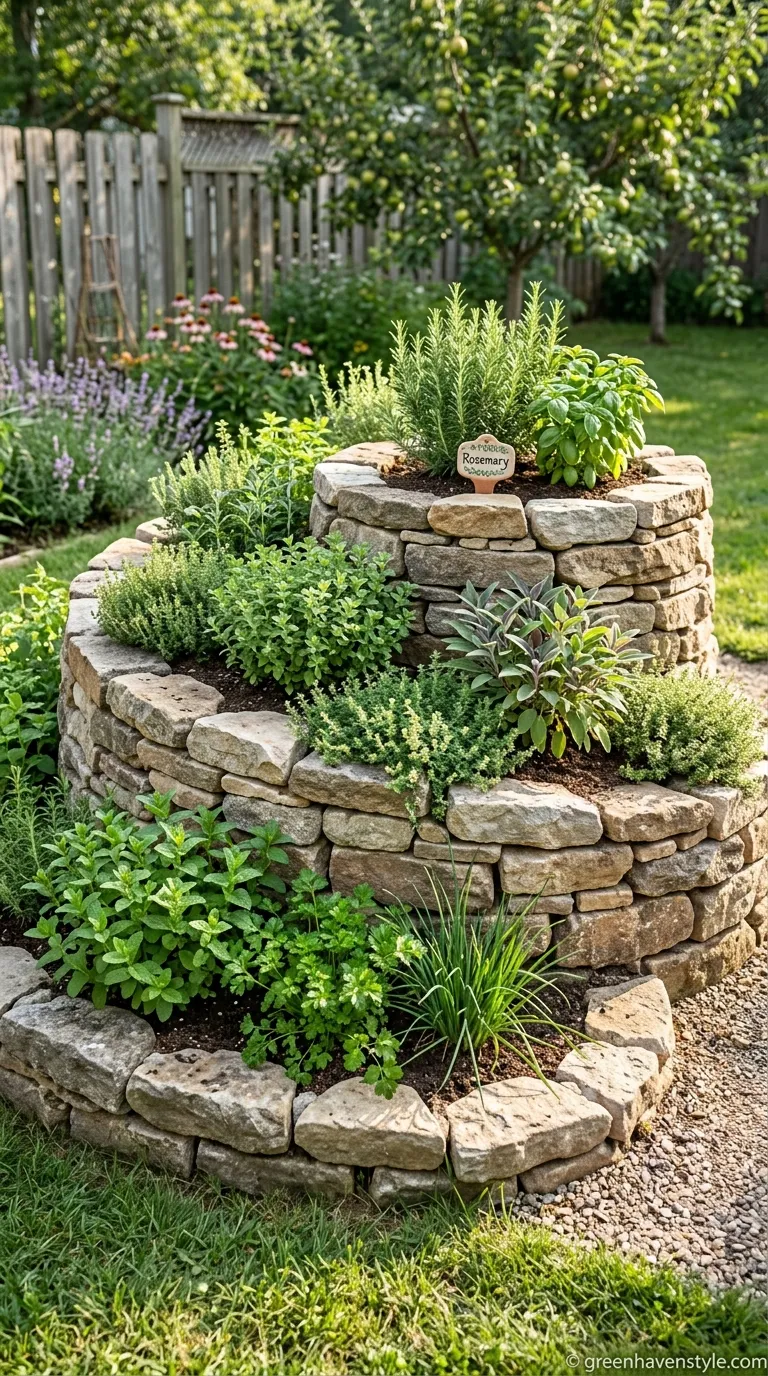
A circular raised bed with an ascending spiral pathway creates vertical growing zones in compact footprints perfect for herb collections. The coiled design provides varied microclimates at different heights and exposures, accommodating herbs with diverse sunlight and drainage preferences.
Mediterranean herbs preferring excellent drainage thrive at the spiral’s highest point, while moisture-loving varieties flourish in the lower, more water-retentive sections. The three-dimensional structure creates architectural interest while maximizing planting surface area beyond what flat beds offer in equivalent footprints.
I’ve found that spiral gardens become focal points that draw visitors into exploring the textured foliage and varied fragrances at different levels. The accessible design allows easy snipping during cooking without trampling other plants, making harvesting a pleasant sensory experience rather than a chore.
8. Companion Planting Blocks
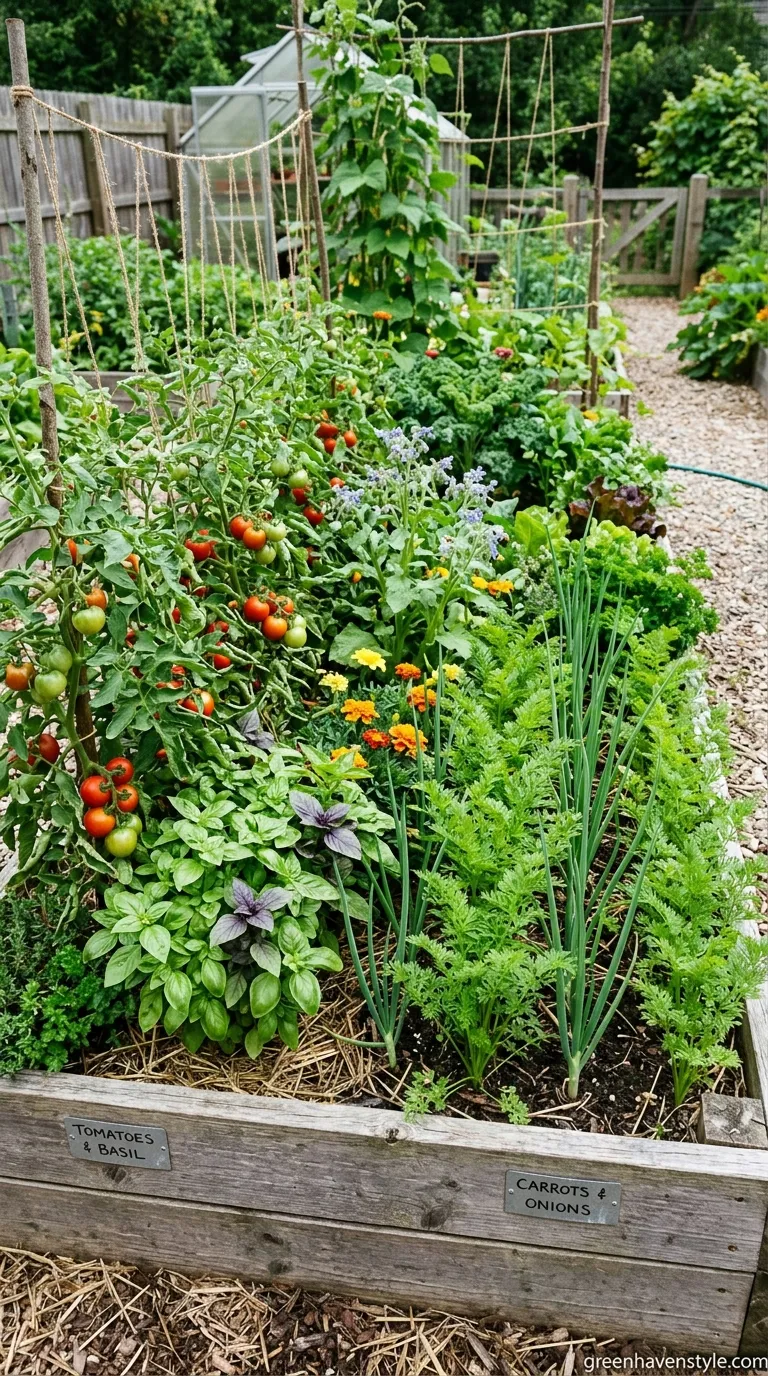
Grouping vegetables with mutually beneficial relationships together in defined blocks maximizes natural pest control and nutrient sharing. This ecological approach reduces chemical dependency while improving overall garden health through strategic plant partnerships that evolved through agricultural generations.
Tomatoes paired with basil, carrots with onions, and the classic “three sisters” combination of corn, beans, and squash demonstrate how companion planting improves yields naturally. The block arrangement keeps beneficial pairings close while separating antagonistic combinations that inhibit each other’s growth.
In my experience, observing these relationships strengthens gardening knowledge and connection with plant biology beyond simple cultivation. The resulting diversity also creates more visually interesting gardens than monoculture rows while supporting beneficial insect populations that provide ongoing pest management.
9. Terraced Slope Garden
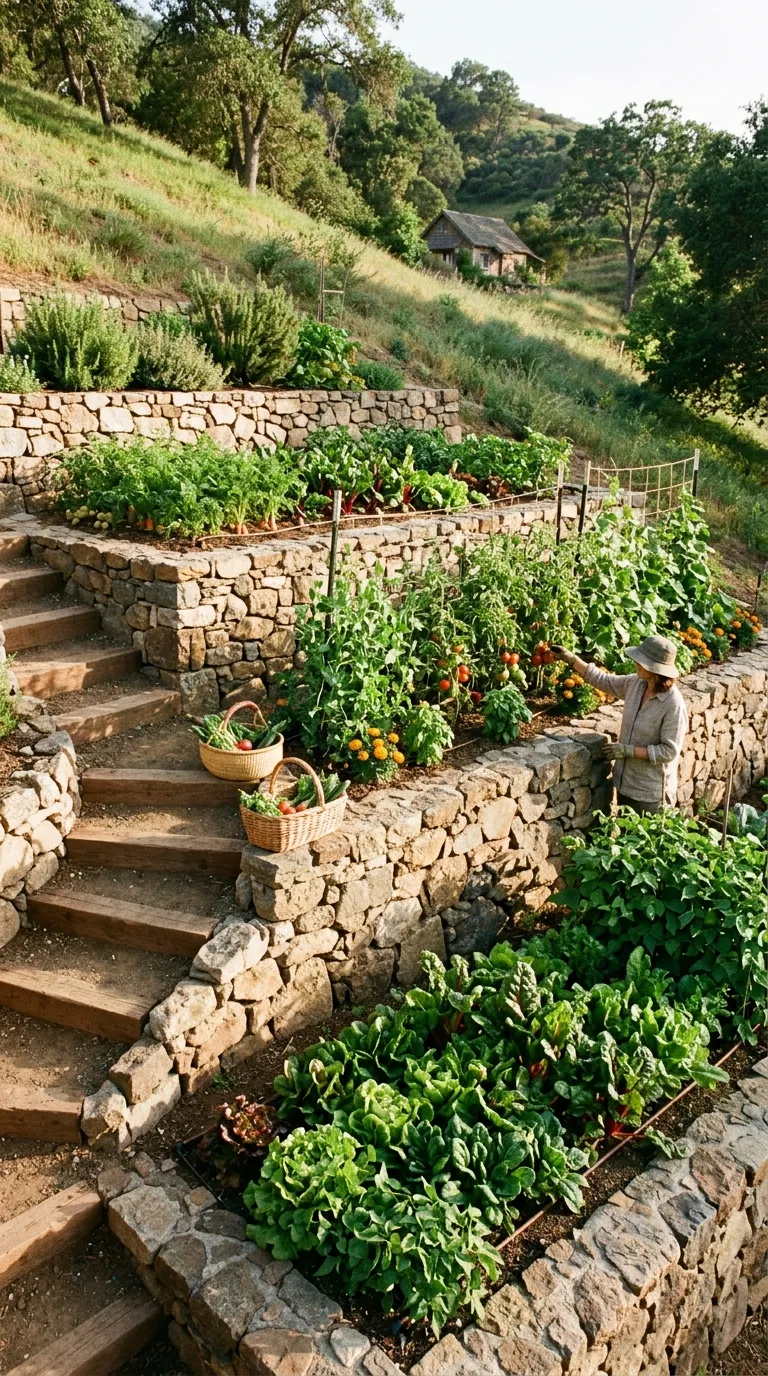
Converting sloped yards into stepped terraces creates level growing platforms that prevent erosion while maximizing usable planting space on challenging terrain. The staggered levels provide excellent drainage while the retaining walls create warm microclimates against sun-facing surfaces.
Each terrace functions as an independent growing zone with its own irrigation and soil composition tailored to specific crops. The elevation changes create natural barriers that can deter some pests while the stepped arrangement ensures all plants receive adequate sunlight without shading from plants above.
I’ve observed that terraced gardens transform liability slopes into productive assets that add dramatic visual interest to landscapes. The investment in initial construction pays dividends through years of productive growing in areas that would otherwise remain underutilized or problematic.
10. Container Garden Cluster
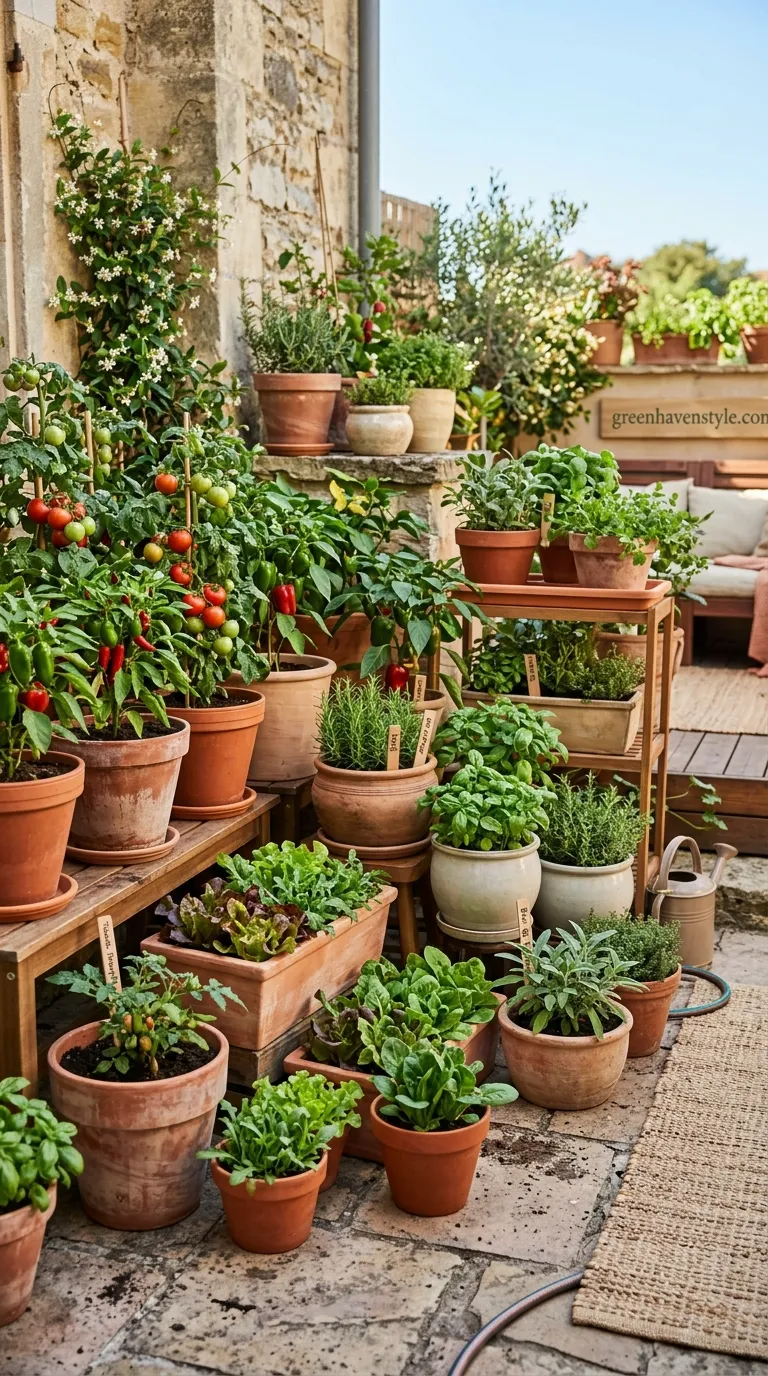
Grouping various sized containers in strategic arrangements creates flexible vegetable gardens that adapt to changing sunlight, weather, or spatial needs. This movable approach works perfectly for renters, experimenters, or anyone wanting gardening freedom without permanent installations.
Large containers accommodate deep-rooted tomatoes and peppers while smaller pots suit herbs and compact varieties. The ability to rearrange configurations allows seasonal optimization, moving containers to capture changing sun angles or protect sensitive plants from unexpected weather events.
From what I’ve seen, container gardens often produce surprisingly well because the controlled soil environment and excellent drainage prevent many common ground-garden problems. The elevated positioning also reduces back strain during maintenance while keeping produce cleaner and more accessible throughout harvest periods.
11. Lasagna Layer Garden
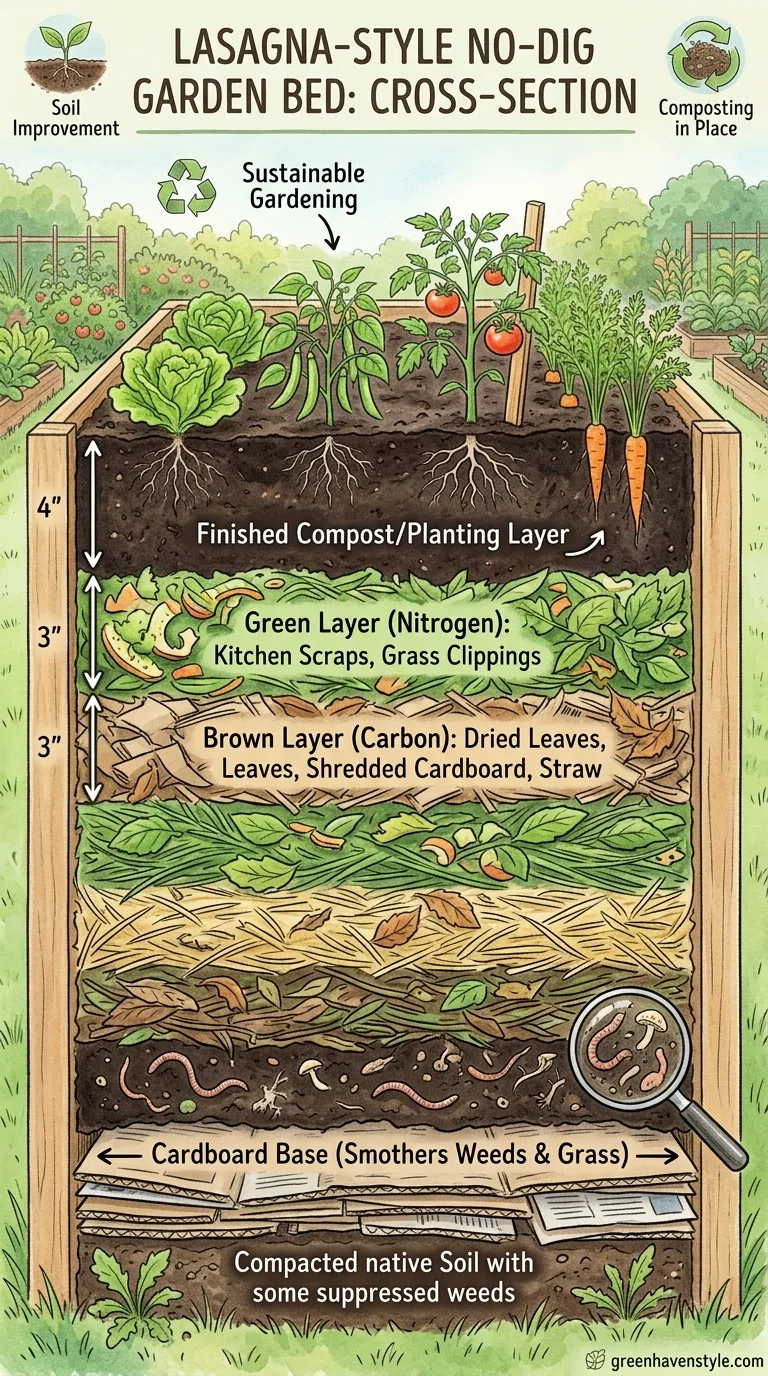
Building garden beds directly on lawn using layered organic materials eliminates tilling while creating nutrient-rich growing zones. Alternating carbon-rich and nitrogen-rich layers compost in place, creating loose, fertile soil that roots penetrate easily while moisture retention remains excellent.
This no-dig approach saves tremendous labor while improving soil structure season after season. Start in fall for spring planting, or use accelerated hot composting methods for same-season results. The layering accommodates kitchen scraps, yard waste, and cardboard that would otherwise require disposal.
I’ve noticed that lasagna gardens establish quickly and produce impressive first-year results despite using previously unworked ground. The technique works equally well for expanding existing gardens without disturbing established areas or creating entirely new beds in challenging locations with poor native soil.
12. Wigwam Vertical Supports
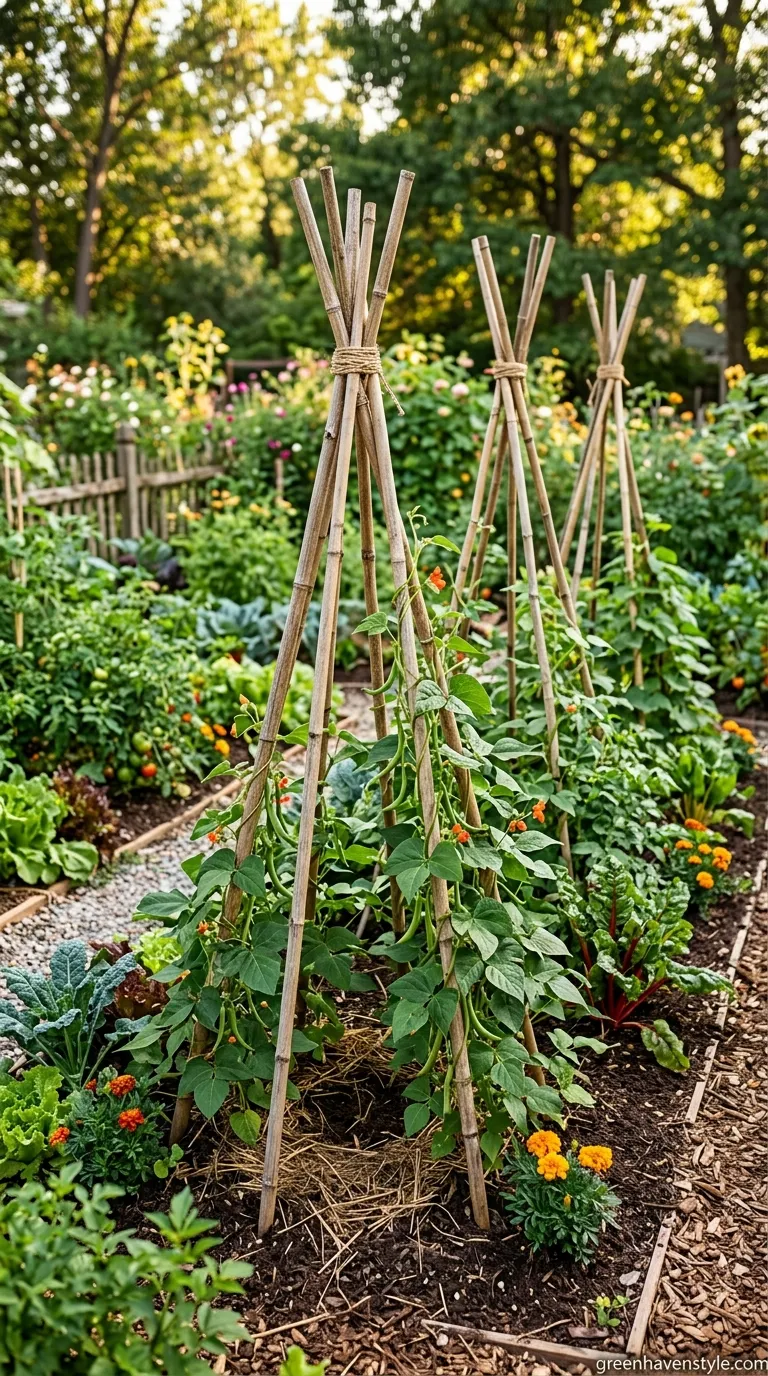
Bamboo poles or branches lashed together at the top create teepee structures that support climbing beans, peas, cucumbers, and vining squash. These three-dimensional growing supports maximize vertical space while the open center provides children magical hideaway spots within productive gardens.
The conical shape sheds rain and snow loads naturally while the spreading base provides stability without deep anchoring requirements. Position wigwams at bed ends or corners where height won’t shade sun-loving neighbors, or create interior focal points in larger garden expanses.
In my experience, kids especially love wigwam structures that transform vegetable growing into adventure play. The combination of function and whimsy makes these supports worthwhile even in gardens with alternative trellising options available for climbing crop support.
13. Intensive Intercropping Beds
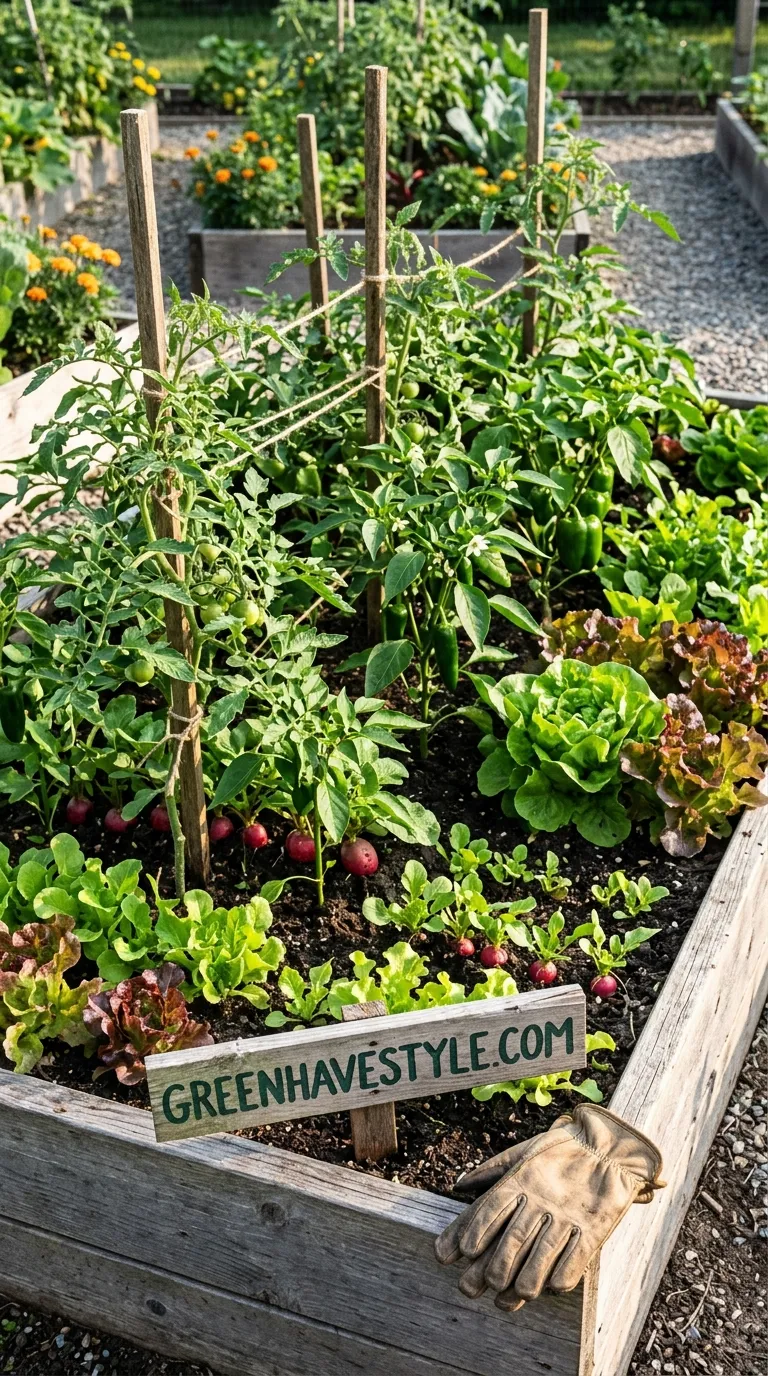
Planting fast-maturing crops between slow-growing varieties maximizes space utilization and extends harvest periods throughout the season. Radishes and lettuce fill spaces between developing tomatoes and peppers, producing early yields before larger plants need the room.
This efficient approach requires understanding mature plant sizes and days-to-harvest to avoid overcrowding problems. The intensive planting suppresses weeds through canopy coverage while the constant harvest-and-replant cycle maintains soil vitality through diverse root structures and nutrient demands.
I’ve found that it helps to keep detailed records tracking what combinations worked well and which created competition problems. This knowledge compounds season after season, making intensive gardens progressively more productive as you refine spacing and succession timing through hands-on observation and experience.
Conclusion
Transforming your yard into a productive food-growing space becomes much easier when you start with smart organizational strategies. These backyard vegetable garden layout ideas prove that thoughtful planning creates better harvests, easier maintenance, and more beautiful outdoor spaces regardless of property size.
I’ve seen how the right layout makes the difference between gardens that thrive and those that frustrate gardeners into giving up. The key is choosing configurations that match your specific space, time availability, and growing goals rather than forcing unsuitable designs.
Start with one layout that addresses your biggest gardening challenge, whether that’s limited space, poor soil, difficult terrain, or simply wanting better organization. Each growing season provides opportunities to refine and improve as you learn what works best in your unique conditions.
Save this post to your Pinterest boards for planning inspiration throughout the year, experiment with these proven layouts in your own backyard, and share with friends ready to start their homegrown vegetable journey with solid foundational strategies!


