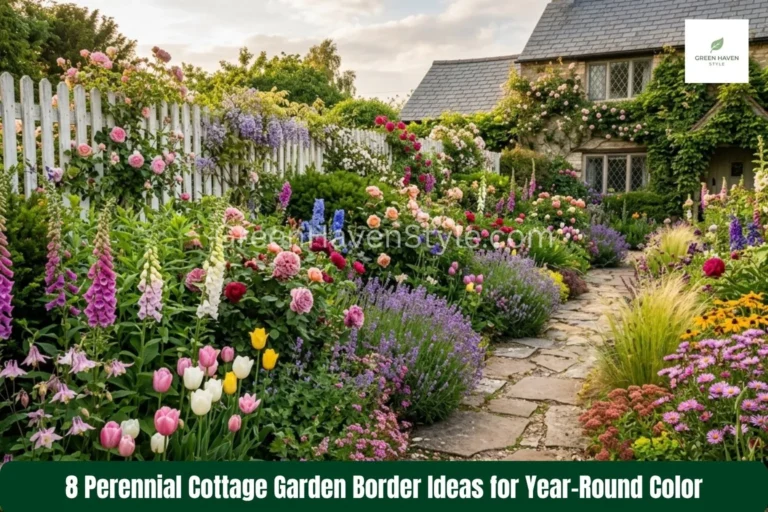
10 Easy Pollinator Flowers to Plant for a Buzzing Garden
Imagine stepping into your garden and watching it come alive with the gentle hum of bees, the flutter of butterfly wings, and the vibrant colors of blooms swaying in the breeze. Creating a space that welcomes pollinators isn’t just beautiful—it’s essential for a thriving ecosystem. These pollinator flowers ideas for garden spaces will help you design an outdoor sanctuary that supports nature while bringing unmatched visual appeal to your landscape.
I’ve noticed that gardens planted with pollinator-friendly blooms feel more dynamic and alive throughout the growing season.
10 Easy Pollinator Flowers to Plant for a Buzzing Garden
Whether you’re working with a small urban plot or expansive beds, choosing the right flowering plants makes all the difference. You’ll discover varieties that offer nectar-rich blooms, extended flowering periods, and colors that attract beneficial insects naturally. Each selection brings ecological value alongside stunning garden presence, creating spaces where beauty and purpose grow together. These ideas celebrate the connection between thoughtful planting and vibrant outdoor ecosystems that flourish season after season.
1. Purple Coneflower Clusters 
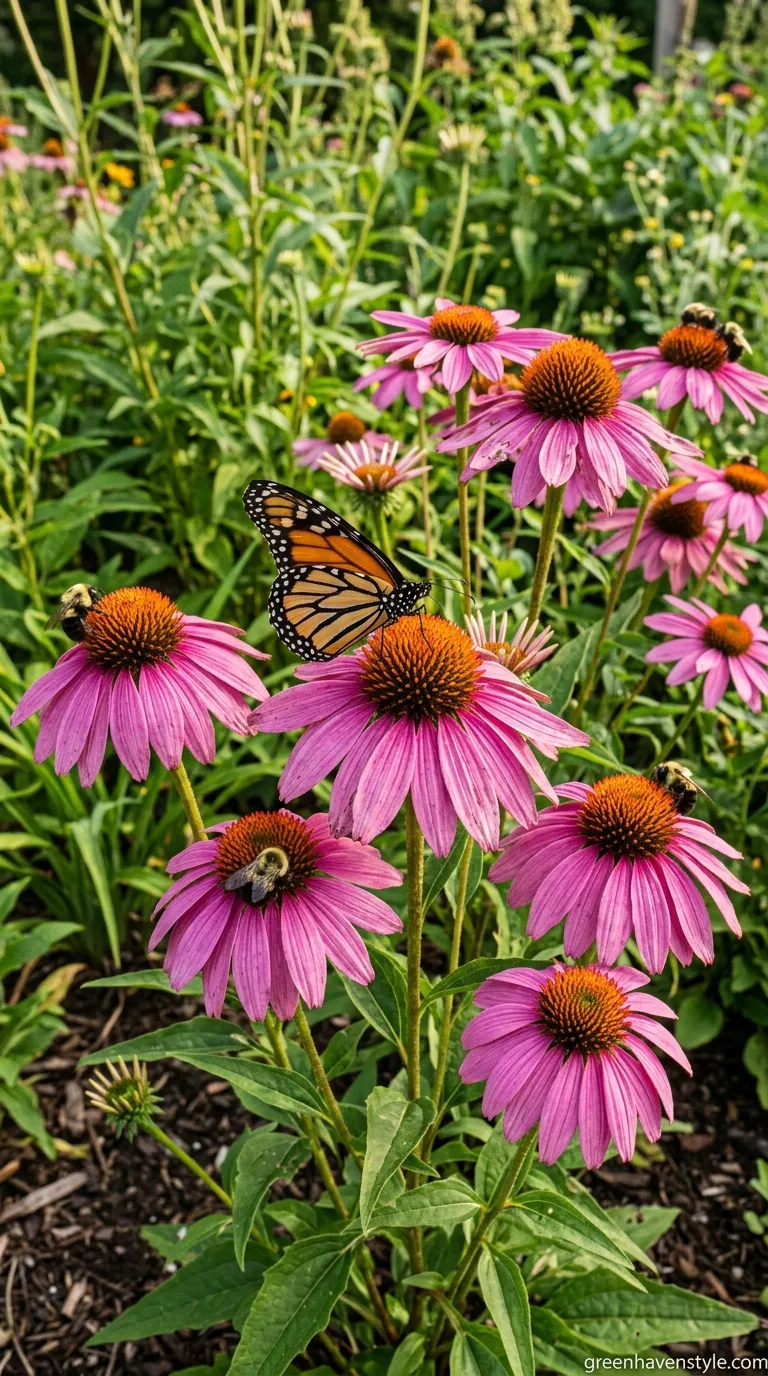
Grouping purple coneflowers creates dramatic focal points that draw butterflies and bees from early summer through fall. The distinctive raised centers and drooping petals make these blooms instantly recognizable and irresistibly attractive to pollinators seeking nectar.
Planting in clusters of five or more magnifies their visual impact while providing concentrated food sources for visiting insects. I’ve found that coneflowers thrive with minimal care once established, making them ideal for gardeners wanting maximum pollinator benefit with straightforward maintenance.
The sturdy stems hold blooms high above foliage, creating layered interest in mixed borders while allowing ground-level plants to flourish beneath. Your garden gains months of continuous color as individual flowers open sequentially, and the seed heads that follow provide winter food for birds, extending the ecological benefits well beyond blooming season.
2. Lavender Border Rows
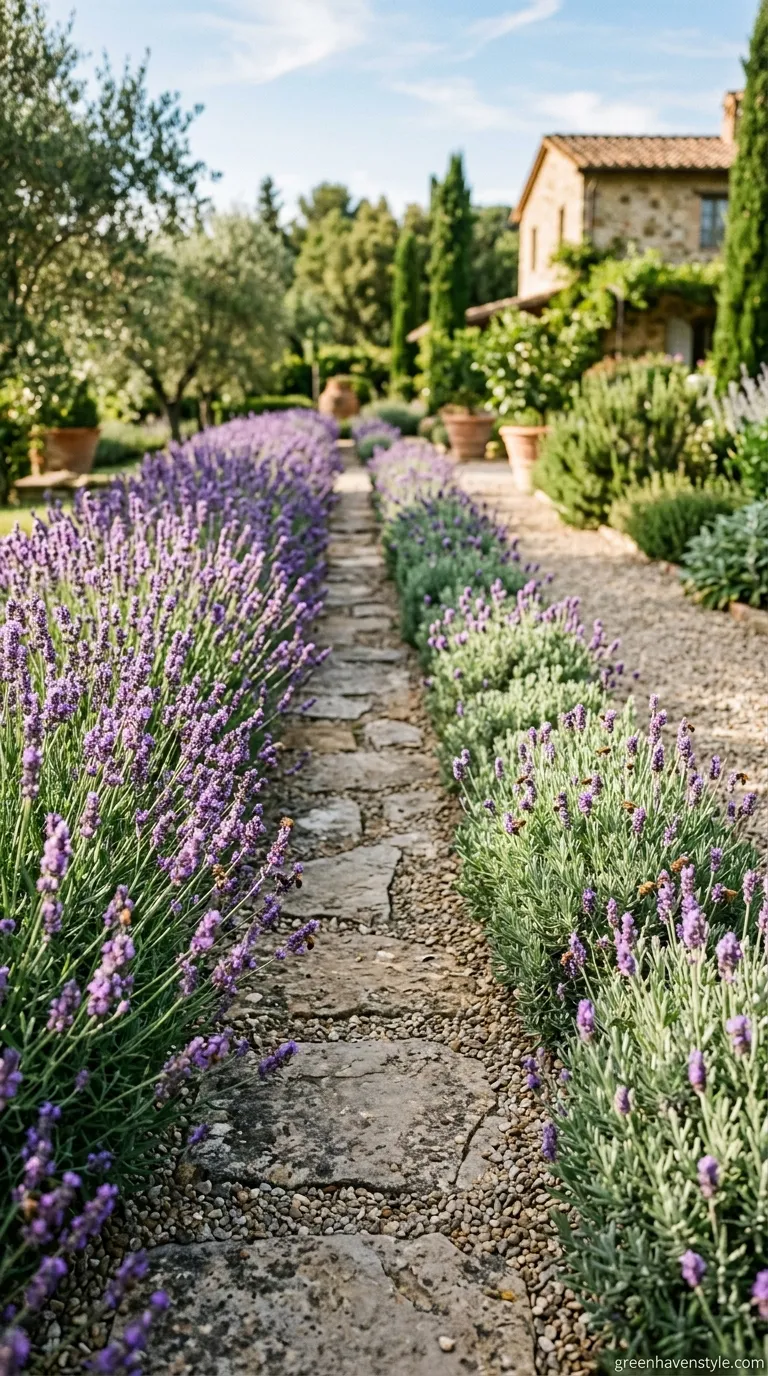
Lining pathways or bed edges with fragrant lavender creates sensory experiences while offering abundant nectar to bees throughout summer months. The silvery foliage and purple flower spikes bring Mediterranean charm to any garden style, from formal to cottage-inspired landscapes.
The aromatic oils that make lavender so beloved by gardeners also attract specialist pollinators that prefer fragrant blooms. In my experience, lavender borders work beautifully in full sun locations where drainage is excellent, thriving in conditions that challenge many other perennials.
The compact growth habit creates natural edging without requiring constant trimming, and the evergreen foliage provides year-round structure. Your garden pathways become destinations themselves as the calming fragrance releases with every brush against the foliage, while pollinators gather enthusiastically on every flower spike during peak bloom periods.
3. Bee Balm Wild Patches
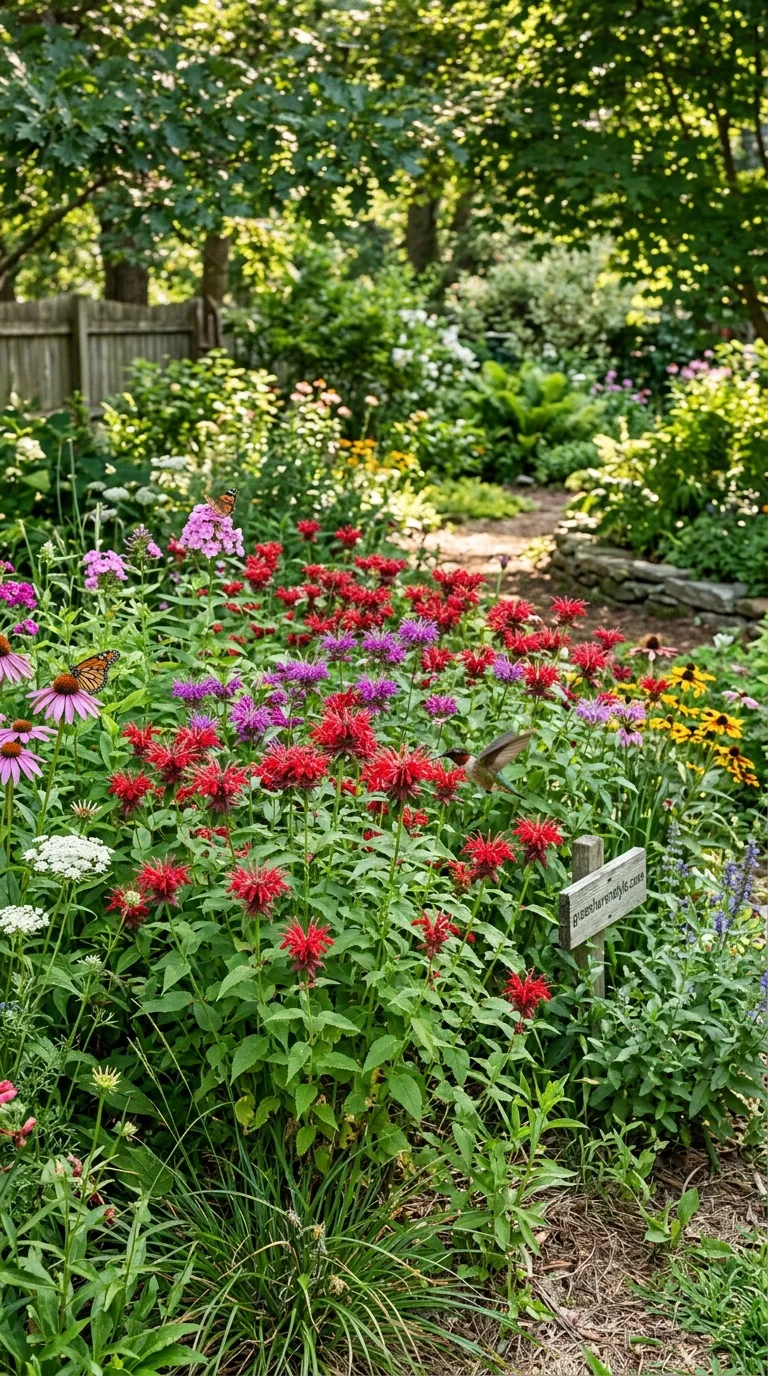
Allowing bee balm to naturalize in informal patches creates wild garden areas that hummingbirds and bees find irresistible. The shaggy, tubular flowers in shades of red, pink, and purple bloom prolifically when given space to spread and establish robust colonies.
This vigorous perennial thrives in conditions where other plants struggle, filling awkward garden spots with color and pollinator activity. I’ve observed that bee balm’s spreading habit, while enthusiastic, creates the abundant flowering that pollinators need, especially during mid-summer when other blooms may fade.
The aromatic foliage releases a distinctive minty scent when brushed or crushed, adding another sensory dimension to your garden. Your landscape gains movement and energy as hummingbirds dart between blooms and butterflies settle on the nectar-rich flowers, transforming quiet corners into bustling wildlife habitats.
4. Sunflower Garden Walls
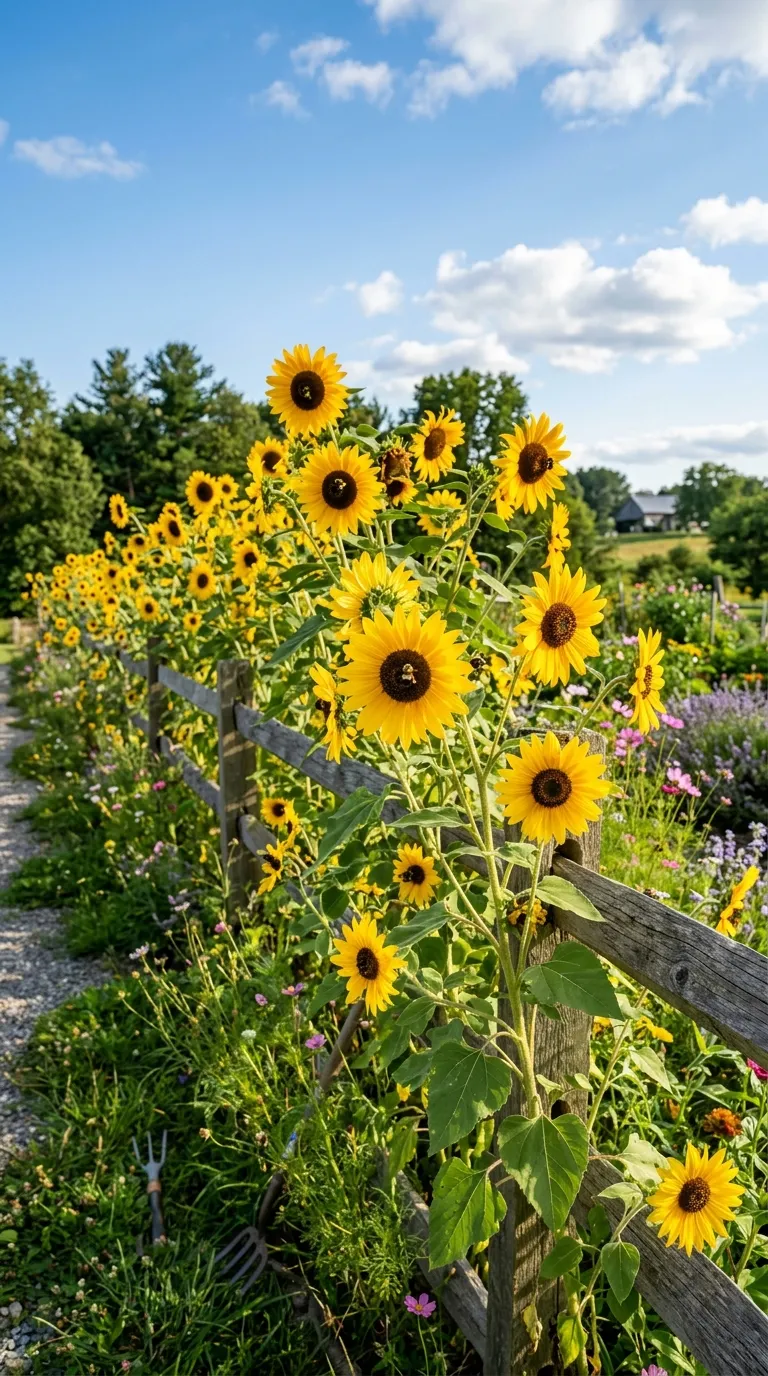
Planting sunflowers along fences or as living screens creates vertical interest while providing abundant pollen and nectar for countless pollinator species. The massive golden blooms track the sun’s movement, and their sheer size makes them irresistible landmarks for bees and beneficial insects.
Varieties ranging from towering giants to compact multi-branching types offer flexibility for different garden sizes and design needs. From what I’ve seen, sunflowers grow quickly from seed, making them perfect for gardeners wanting fast results and impressive seasonal displays with minimal investment.
The sturdy stalks create natural supports for smaller companion plants and offer shelter for ground-dwelling beneficial insects. Your garden gains dramatic height and sunny disposition as these cheerful flowers dominate the skyline, and when blooms fade, the seed-filled heads attract finches and other songbirds through autumn and winter months.
5. Native Wildflower Meadows
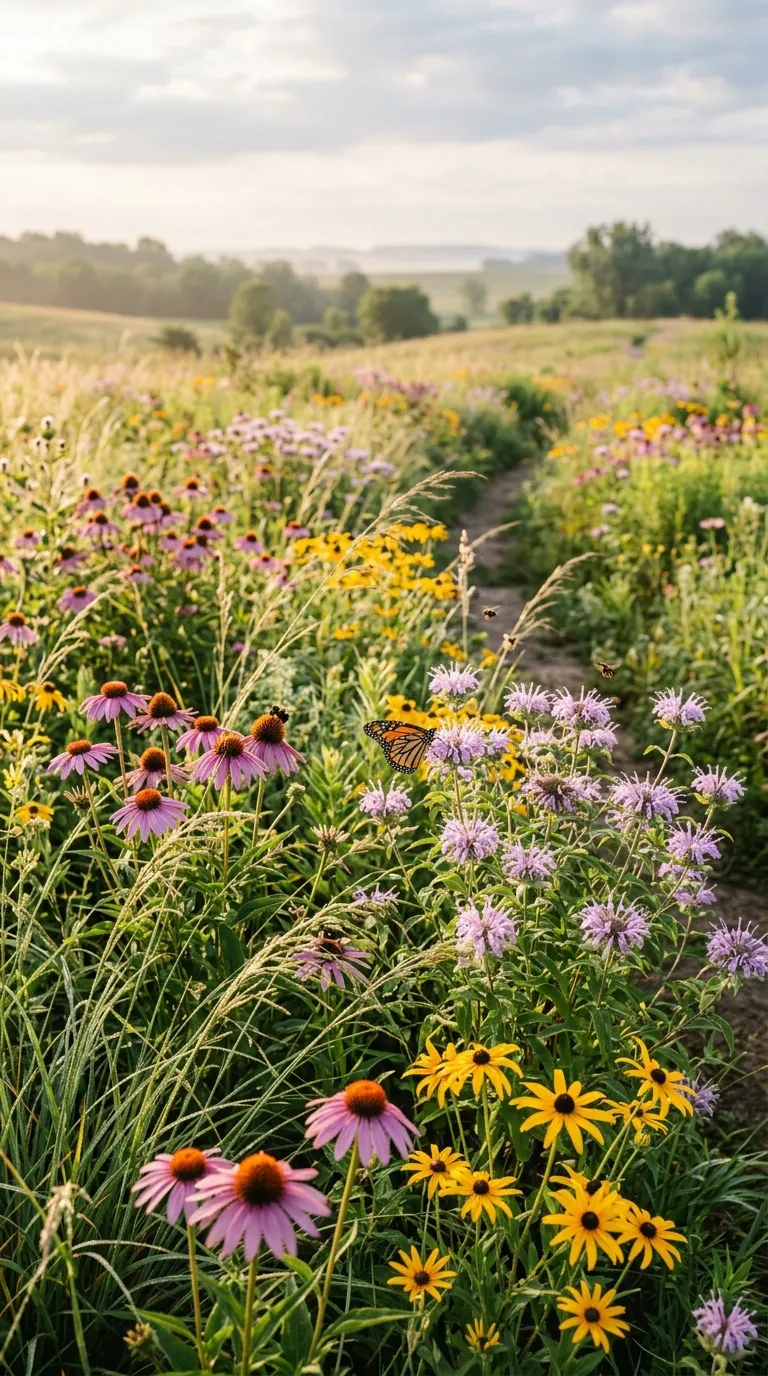
Converting lawn areas into native wildflower meadows establishes self-sustaining pollinator habitats that require minimal maintenance once established. Mixed species create continuous bloom sequences from spring through frost, ensuring food sources remain available throughout the growing season.
Native plants have co-evolved with local pollinators, making them perfectly suited to support regional bee, butterfly, and moth populations. I’ve experimented with meadow plantings and found that the initial establishment requires patience, but the resulting ecosystem becomes increasingly diverse and resilient with each passing year.
The naturalistic appearance brings movement and texture that formal gardens can’t replicate, with grasses and flowers swaying together in breezes. Your landscape transforms into a living tapestry of color and activity, reducing mowing time while increasing ecological value and creating spaces that feel connected to the surrounding natural environment.
6. Salvia Gradient Plantings
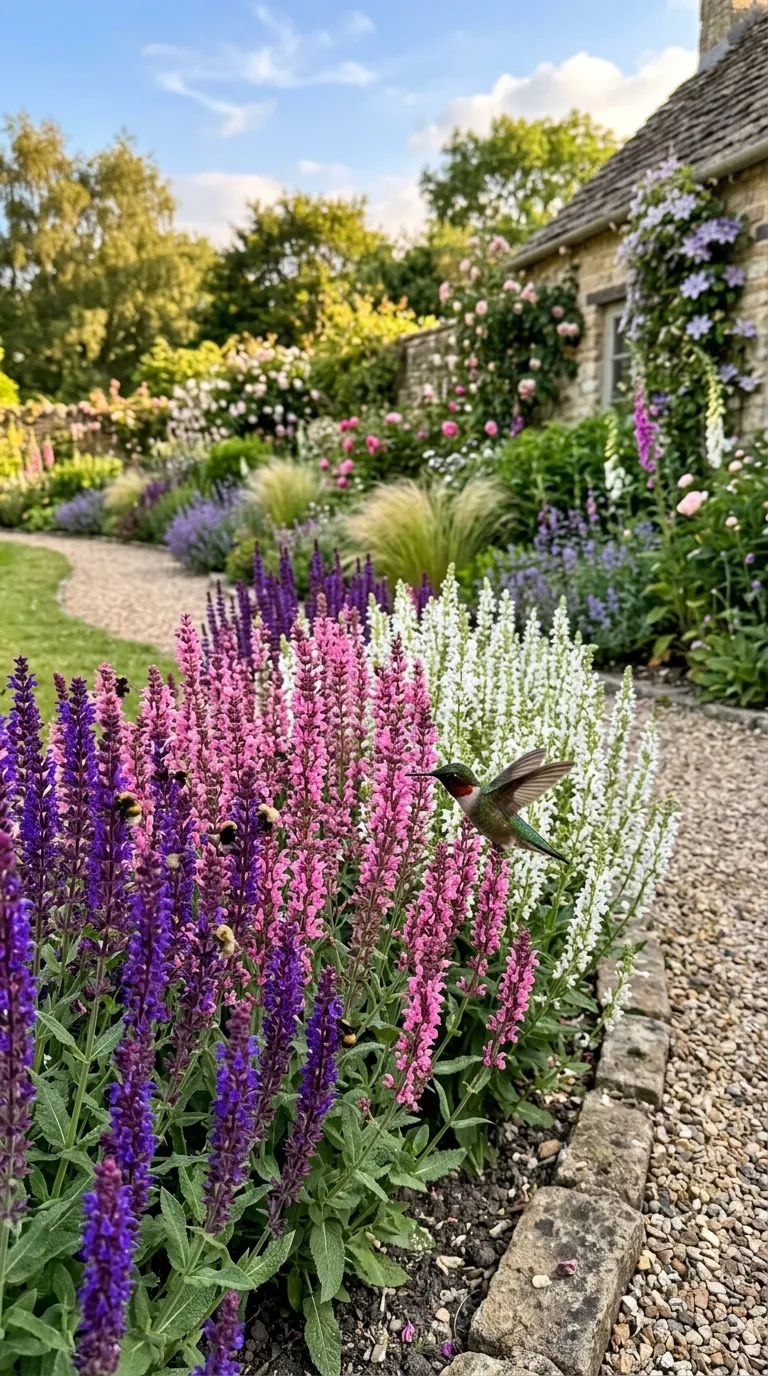
Arranging salvias in color gradients from deep purple through pink to white creates stunning visual flows that guide pollinators through garden beds. The tubular flowers are perfectly shaped for long-tongued bees and hummingbirds, offering nectar deep within the blooms.
Multiple salvia species bloom at different times, extending the flowering season and maintaining consistent food sources for visiting insects. In my experience, the vertical flower spikes add architectural interest to borders while the aromatic foliage deters deer and rabbits, protecting surrounding plants.
The drought-tolerant nature makes salvias excellent choices for water-wise gardens where you want abundant blooms without constant irrigation. Your beds gain depth and dimension through the graduated color scheme, creating professional-looking designs that photograph beautifully while serving critical ecological functions throughout the growing season.
7. Butterfly Bush Focal Points
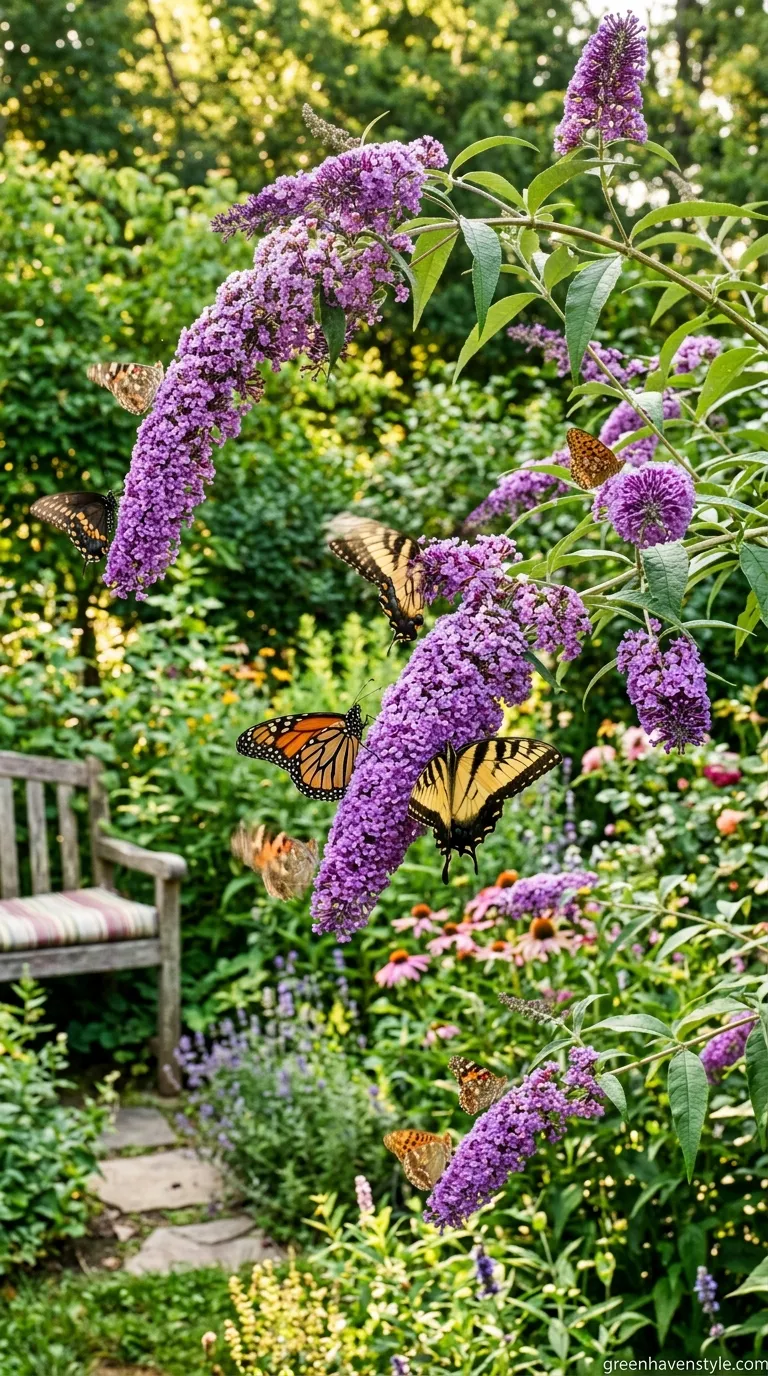
Positioning butterfly bushes as specimen plants creates magnetic gathering spots where you can watch pollinator activity up close. The cone-shaped flower clusters bloom in waves throughout summer, offering concentrated nectar sources when butterflies are most active and visible.
Compact varieties fit smaller gardens while full-sized cultivars create substantial presence in larger landscapes. I’ve noticed that butterfly bushes planted near seating areas allow you to enjoy the constant flutter of wings and observe pollinator behavior while relaxing in your garden.
The arching branches create graceful forms that soften hard landscape edges and blend formal and informal garden styles seamlessly. Your outdoor space becomes a living observatory as swallowtails, monarchs, and painted ladies congregate on the fragrant blooms, and the sweet honey scent adds another layer of sensory pleasure to warm summer evenings.
8. Zinnia Cutting Gardens
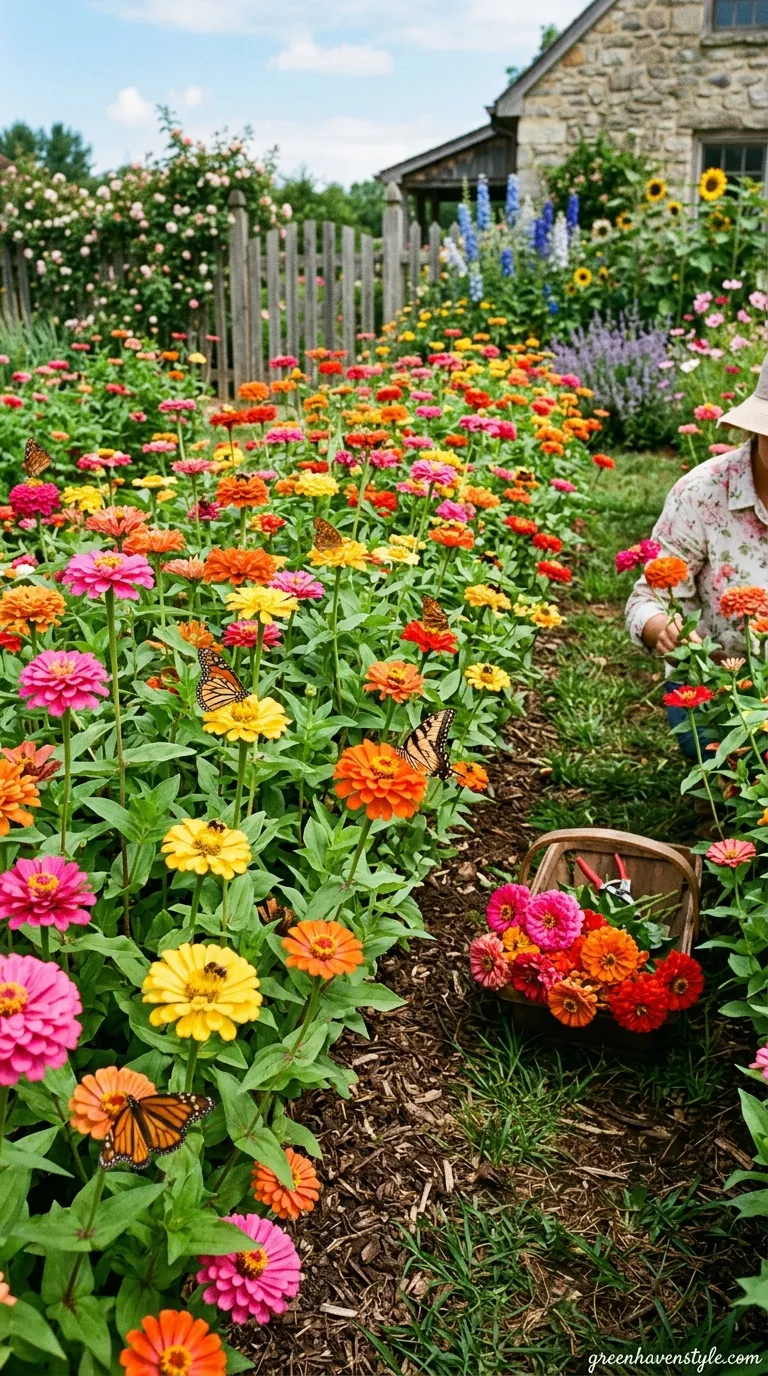
Dedicating beds to zinnias provides abundant cut flowers for your home while simultaneously supporting pollinators with their open, accessible blooms. The wide color range and extended flowering period make zinnias workable pollinator flowers for gardens of any style or color scheme.
These annual flowers bloom continuously from summer until frost when deadheaded regularly, creating reliable nectar sources during critical late-season periods. I’ve found that zinnias grow vigorously from seed, making them budget-friendly options for filling large areas with color and pollinator support.
The sturdy stems and long vase life mean you can enjoy blooms indoors while leaving plenty for garden visitors. Your landscape gains cottage-garden charm as the cheerful blooms multiply throughout the season, and butterflies and bees work the flowers constantly, creating movement and life wherever zinnias grow.
9. Aster Autumn Displays
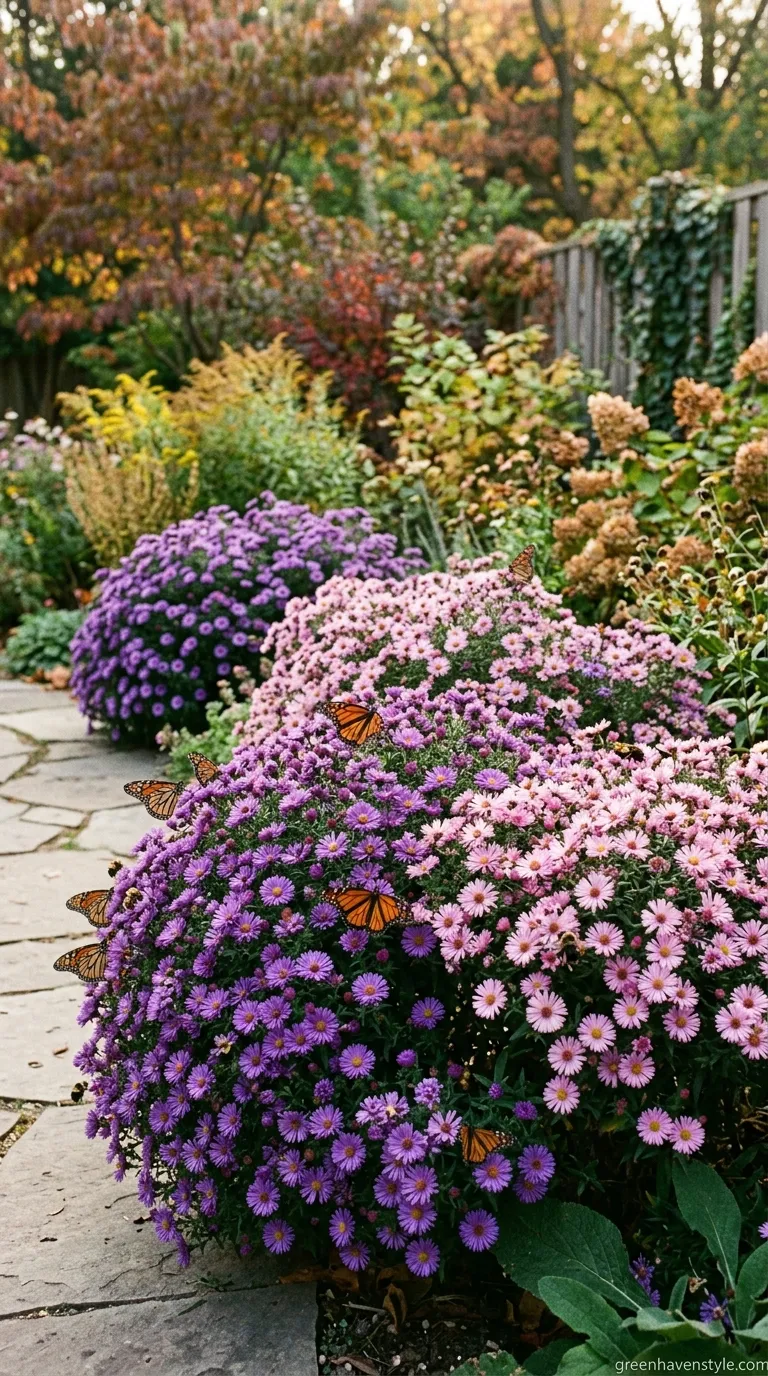
Planting asters ensures your garden continues supporting pollinators when many other flowers have finished blooming. These late-season champions produce masses of daisy-like flowers in purples, pinks, and whites just when butterflies are migrating and bees are storing final winter provisions.
The mounded growth habit creates substantial presence in borders, and the profuse flowering nearly obscures the foliage at peak bloom. In my experience, the tricky part is choosing among the many excellent varieties available, but any selection will dramatically increase autumn pollinator activity.
Native aster species are particularly valuable for supporting specialist bees that emerge specifically to gather their pollen. Your garden extends its active season well into fall as these reliable perennials burst into color when most landscapes are fading, providing critical resources that help pollinator populations survive through winter dormancy.
10. Goldenrod Prairie Sections
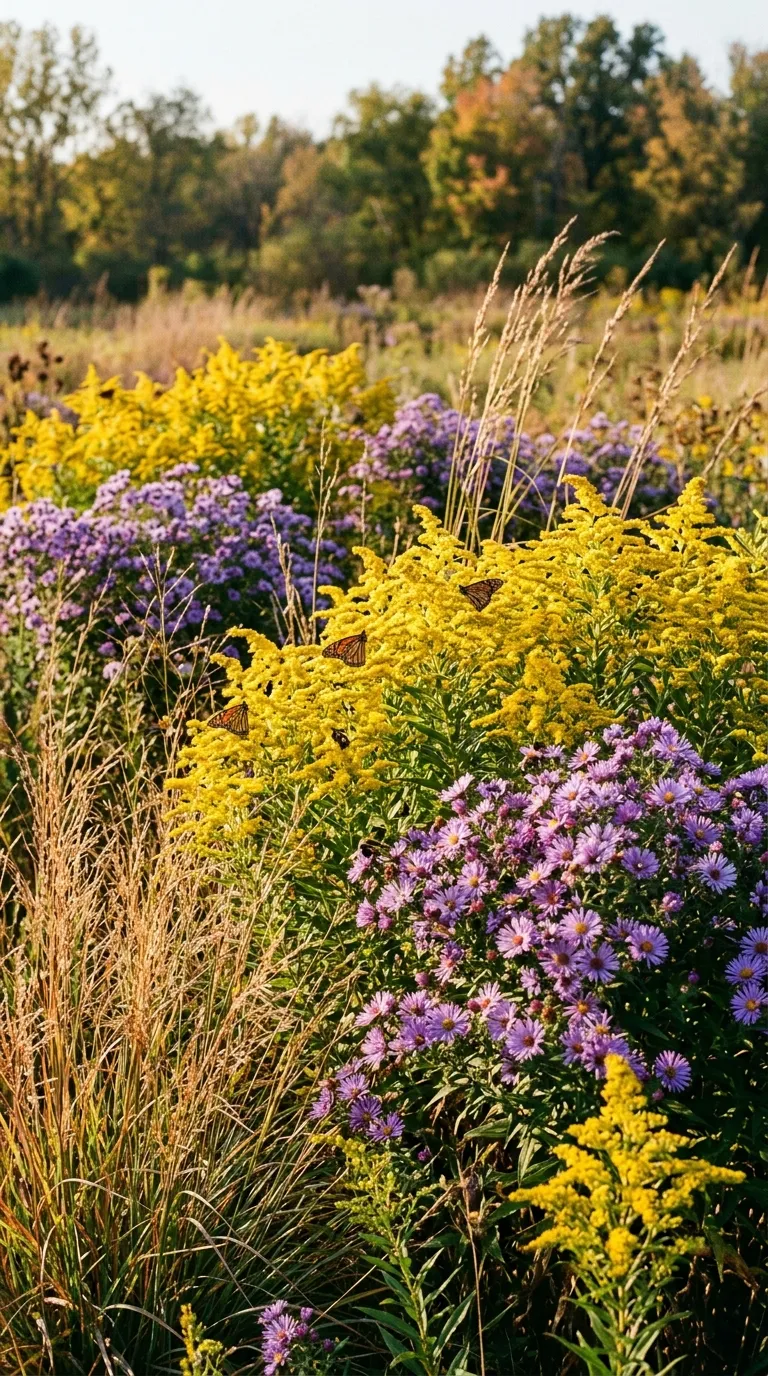
Incorporating goldenrod into naturalistic plantings creates bold golden displays while supporting hundreds of pollinator species that depend on these native plants. The plume-like flower clusters brighten autumn gardens with warm yellow tones that complement fall foliage beautifully.
Despite undeserved reputation, goldenrod doesn’t cause allergies—its pollen is too heavy for wind dispersal and is instead carried by visiting insects. I’ve observed that goldenrod planted in prairie-style combinations with grasses and asters creates dynamic late-season interest that rivals spring and summer displays.
The vigorous growth fills space quickly, making goldenrod excellent for establishing new beds or naturalizing areas between cultivated gardens and wild spaces. Your landscape gains authentic regional character as these tough natives thrive without coddling, and the incredible pollinator diversity they support creates ecosystems that feel connected to the broader natural world.
Conclusion
These pollinator flowers ideas for garden spaces prove that supporting beneficial insects and creating beautiful landscapes are complementary goals, not competing priorities. From spring coneflowers through autumn asters, each selection brings unique visual qualities while serving critical ecological functions.
I’ve seen how thoughtfully planted pollinator gardens transform outdoor spaces into vibrant ecosystems that engage all the senses throughout the growing season. Whether you choose fragrant lavender borders, dramatic sunflower walls, or naturalistic meadow plantings, your efforts contribute to healthier local environments while creating landscapes worth photographing and sharing.
The beauty lies in watching your garden come alive with beneficial activity as blooms open and pollinators respond. Save your favorite combinations to Pinterest, select plants suited to your conditions, and start creating outdoor spaces where beauty and ecological value flourish together, supporting the creatures that make our gardens truly thrive.