
16 Simple Garden Ideas on a Budget to Beautify Your Yard
You don’t need thousands of dollars or professional landscaping services to create a garden you’ll love. The most beautiful outdoor spaces often come from creative thinking, resourcefulness, and a willingness to start small and build over time.
These simple garden ideas prove that budget-friendly doesn’t mean compromising on beauty or impact. Whether you’re working with a tiny backyard, a blank slate, or an existing garden that needs refreshing, each approach focuses on maximum visual effect with minimal financial investment. I’ve noticed that some of the most charming gardens I’ve encountered were created by people who saw potential in free materials, repurposed items, and patient propagation rather than expensive instant solutions.
16 Simple Garden Ideas on a Budget
You’ll discover practical, beginner-friendly ways to add color, structure, and personality to your outdoor space without the sticker shock that often comes with traditional landscaping projects.
1. Seed-Grown Flower Borders 
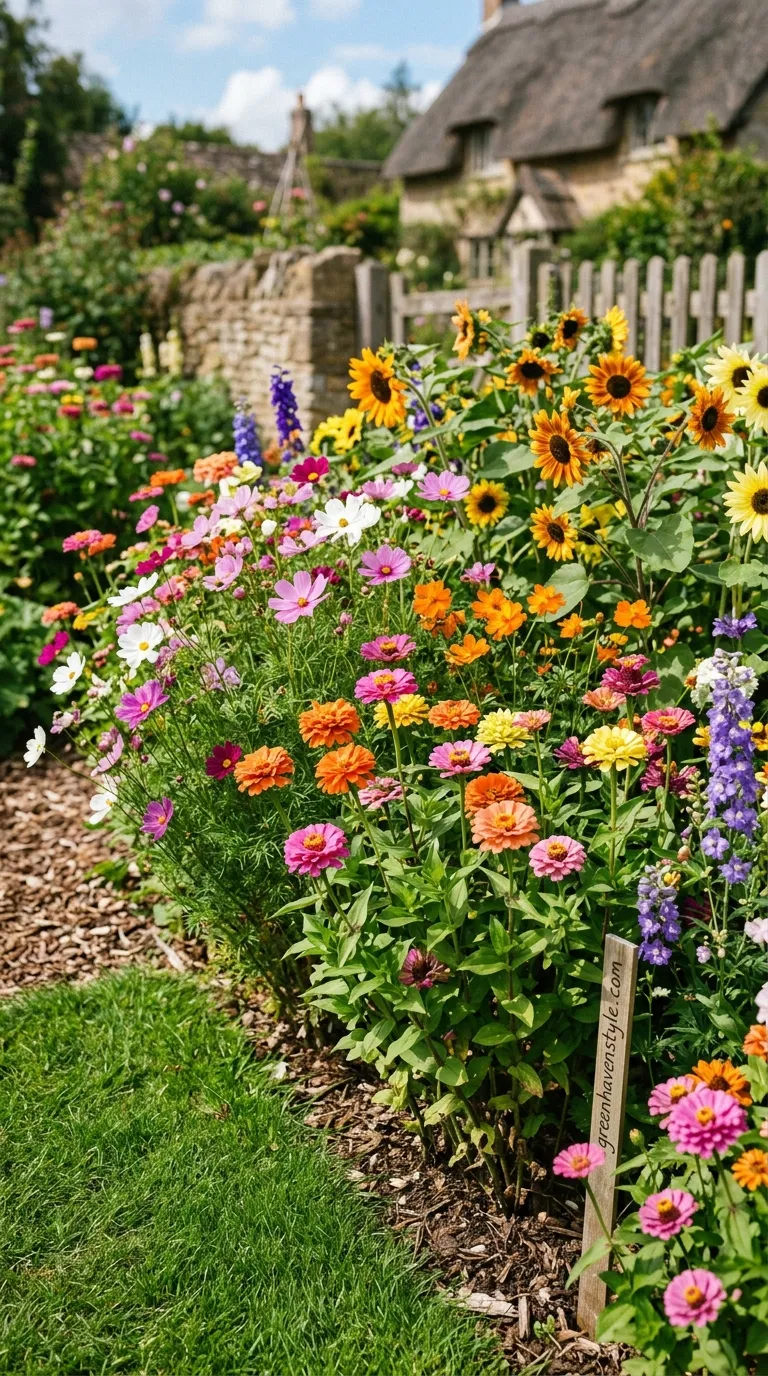
Starting flowers from seed rather than buying established plants costs a fraction of the price while delivering the same beautiful results. A single packet of seeds can fill entire garden borders with color for just a few dollars.
Sunflowers, zinnias, cosmos, and marigolds grow quickly and reliably from direct-sown seeds even for complete beginners. I’ve found that the satisfaction of watching plants emerge from seeds you planted yourself adds an extra dimension of enjoyment to gardening. The abundance you can create for under twenty dollars rivals what would cost hundreds in nursery plants. This budget-friendly approach also allows you to experiment with different varieties and color combinations without financial risk.
2. Pallet Wood Planters
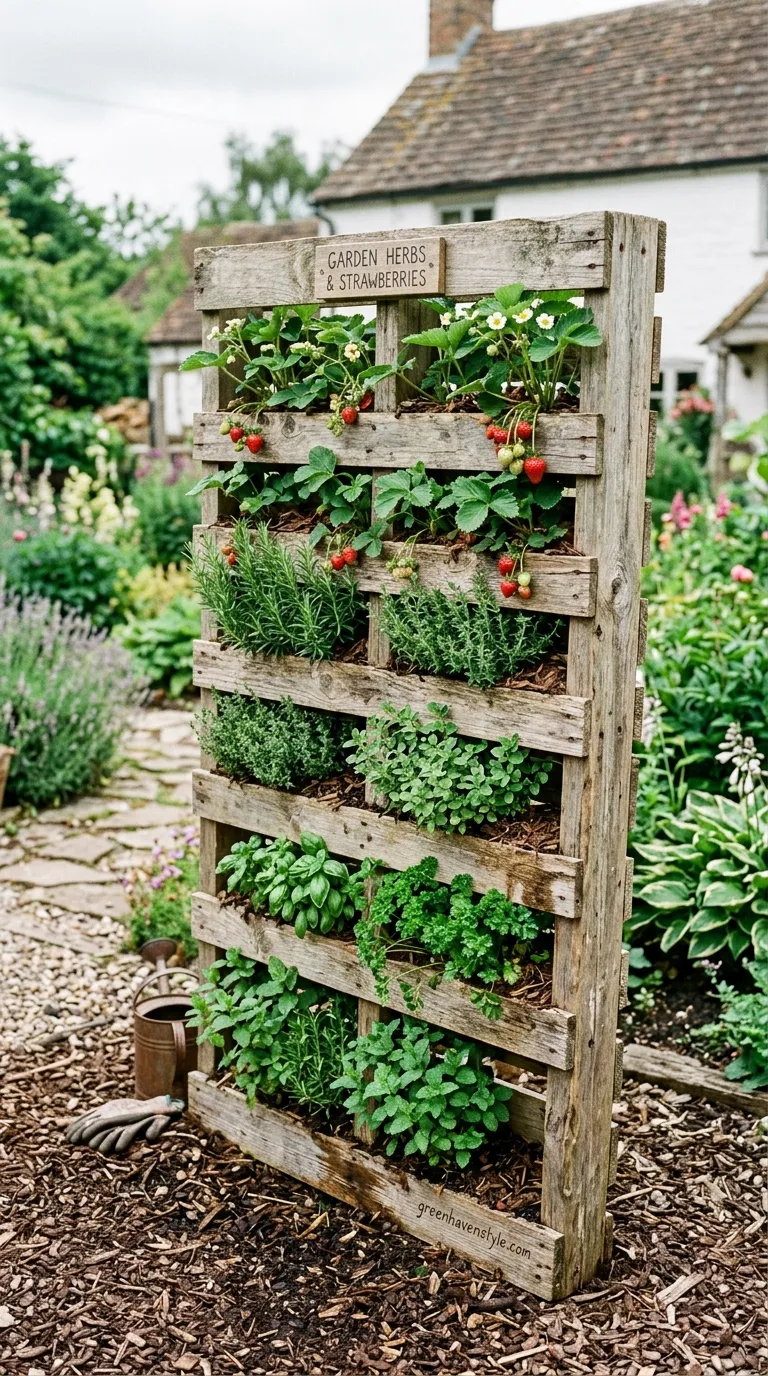
Free or cheap wooden pallets transform into rustic raised planters with minimal carpentry skills required. These versatile structures add height, organization, and farmhouse charm to any garden space.
Simply stand a pallet upright, add landscape fabric backing, fill the slats with soil, and plant directly into the openings. In my experience, vertical pallet planters work beautifully for herbs, strawberries, or cascading flowers while taking up almost no ground space. The weathered wood aesthetic fits both cottage and contemporary gardens. This DIY project costs nearly nothing if you source pallets for free from local businesses or online marketplaces.
3. Mulch Path Network
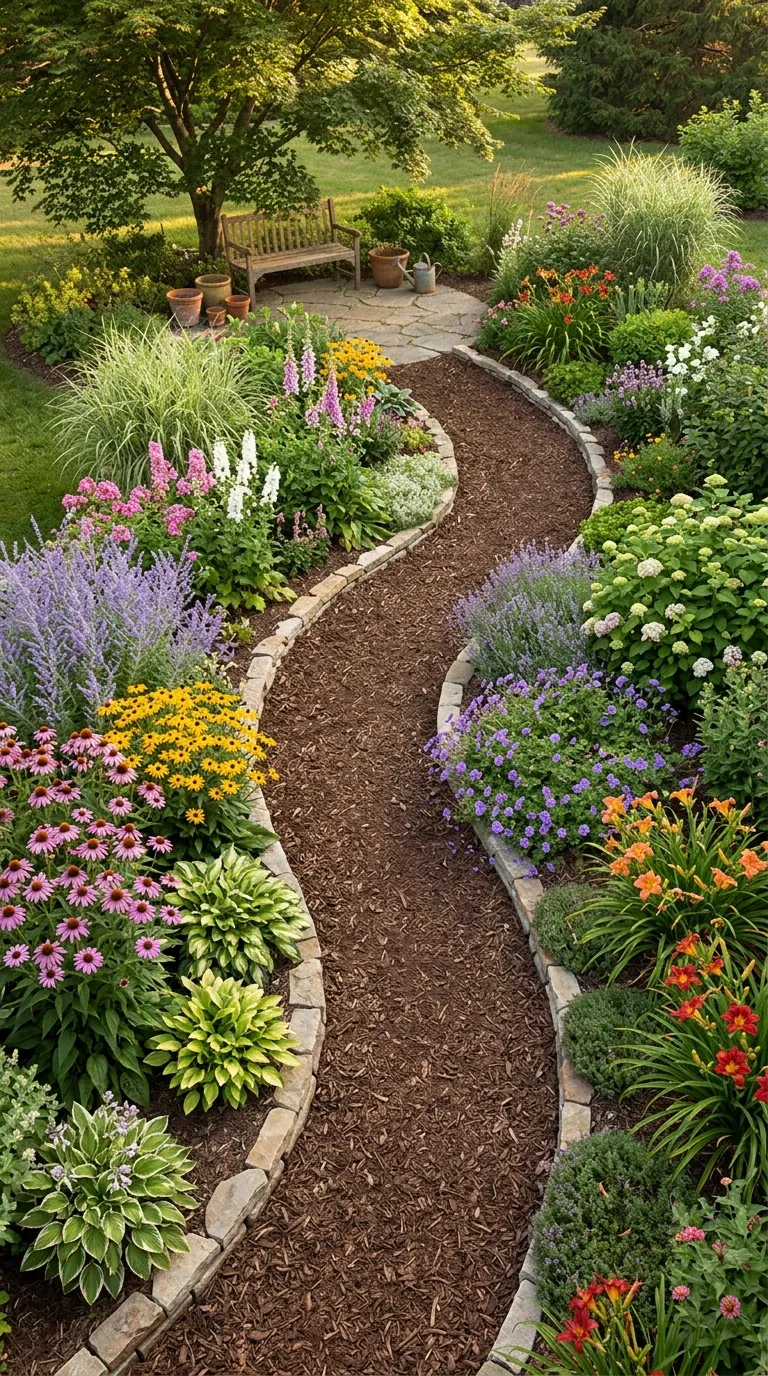
Create defined walking paths using inexpensive wood chip or bark mulch to add structure and professional polish to your garden layout. These simple pathways make gardens feel intentional and well-designed.
Mulch paths cost far less than paving or gravel while still preventing muddy walkways and defining planting areas clearly. I’ve observed that even the most casual cottage garden looks more cohesive when paths establish clear circulation patterns. The organic material also breaks down over time, improving soil quality. This affordable landscaping solution transforms garden functionality and appearance in a single afternoon.
4. Propagated Plant Collection
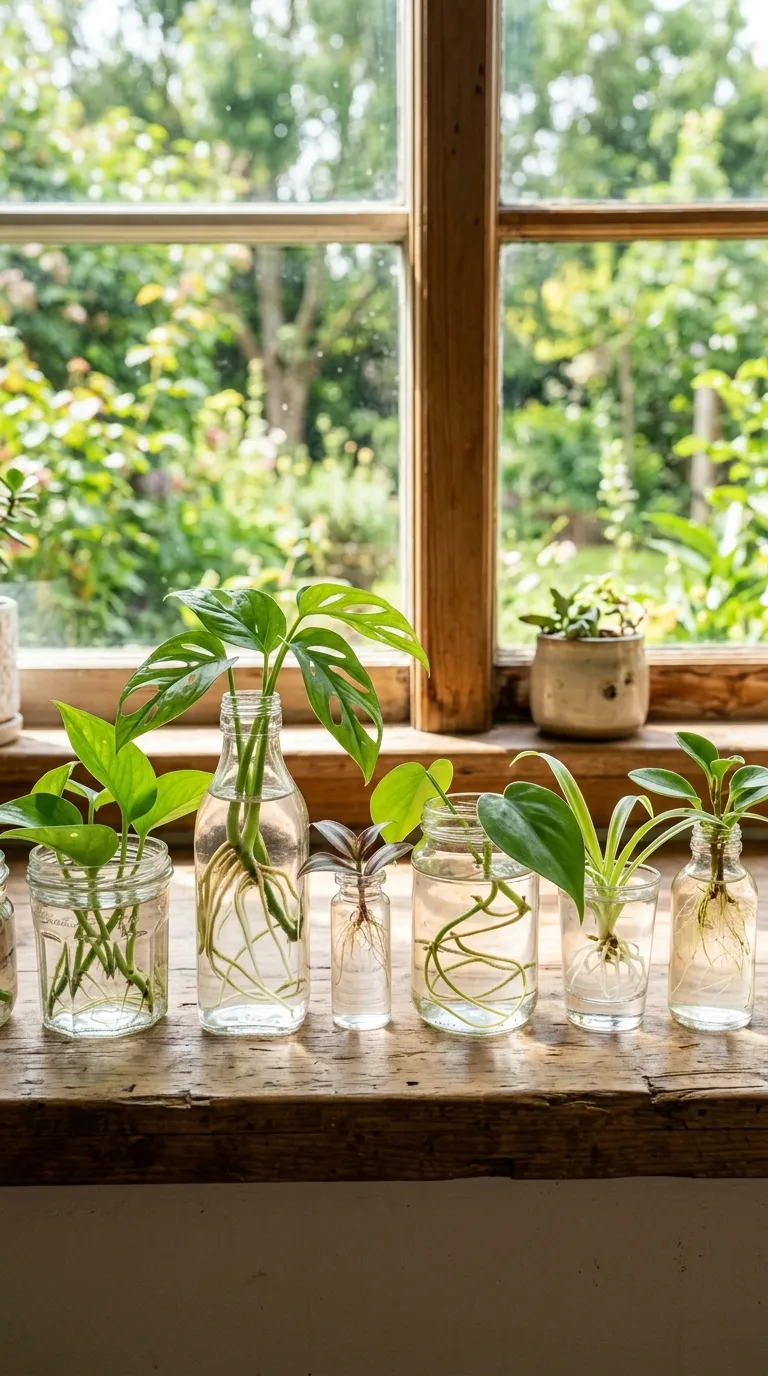
Multiply your plant collection for free by learning simple propagation techniques like taking cuttings or dividing perennials. One plant becomes dozens without spending another cent.
Many common garden plants root easily from stem cuttings placed in water or soil—lavender, rosemary, geraniums, and coleus are particularly cooperative. From what I’ve seen, enthusiastic gardeners often happily share cuttings from their own plants, building community connections while expanding your garden. Division of established perennials in spring or fall creates multiple plants from one. This patient gardening strategy builds abundance over time without ongoing purchases.
5. Repurposed Container Gardens
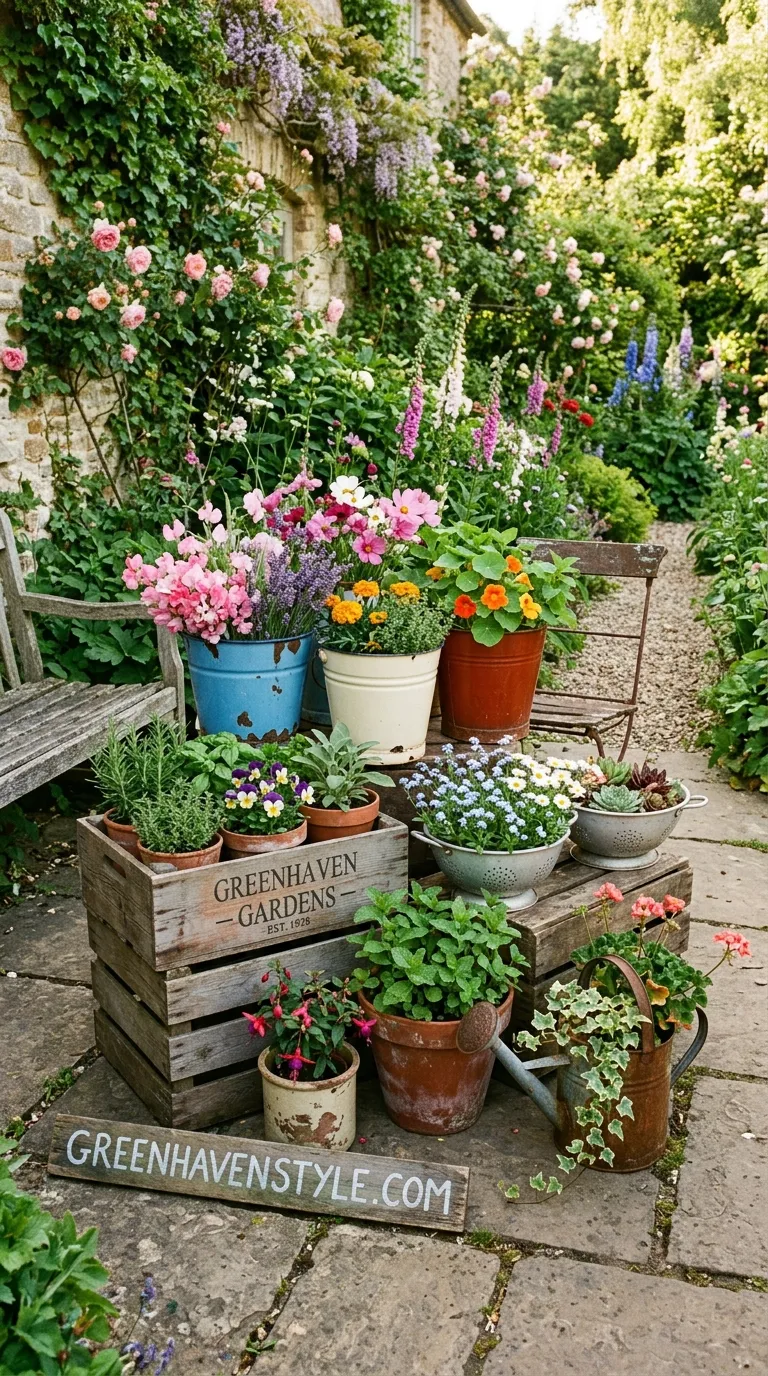
Turn everyday items into unique planters instead of buying expensive pots—old buckets, crates, colanders, or even boots become charming containers with drainage holes added.
The eclectic, collected-over-time look of mismatched containers adds personality that uniform store-bought pots cannot match. I’ve experimented with everything from vintage enamelware to painted tin cans, and the creative possibilities are endless. Thrift stores, garage sales, and your own storage areas yield constant planting vessel discoveries. This approach combines budget gardening with individual style expression that makes your outdoor space truly one-of-a-kind.
6. Perennial Plant Investment
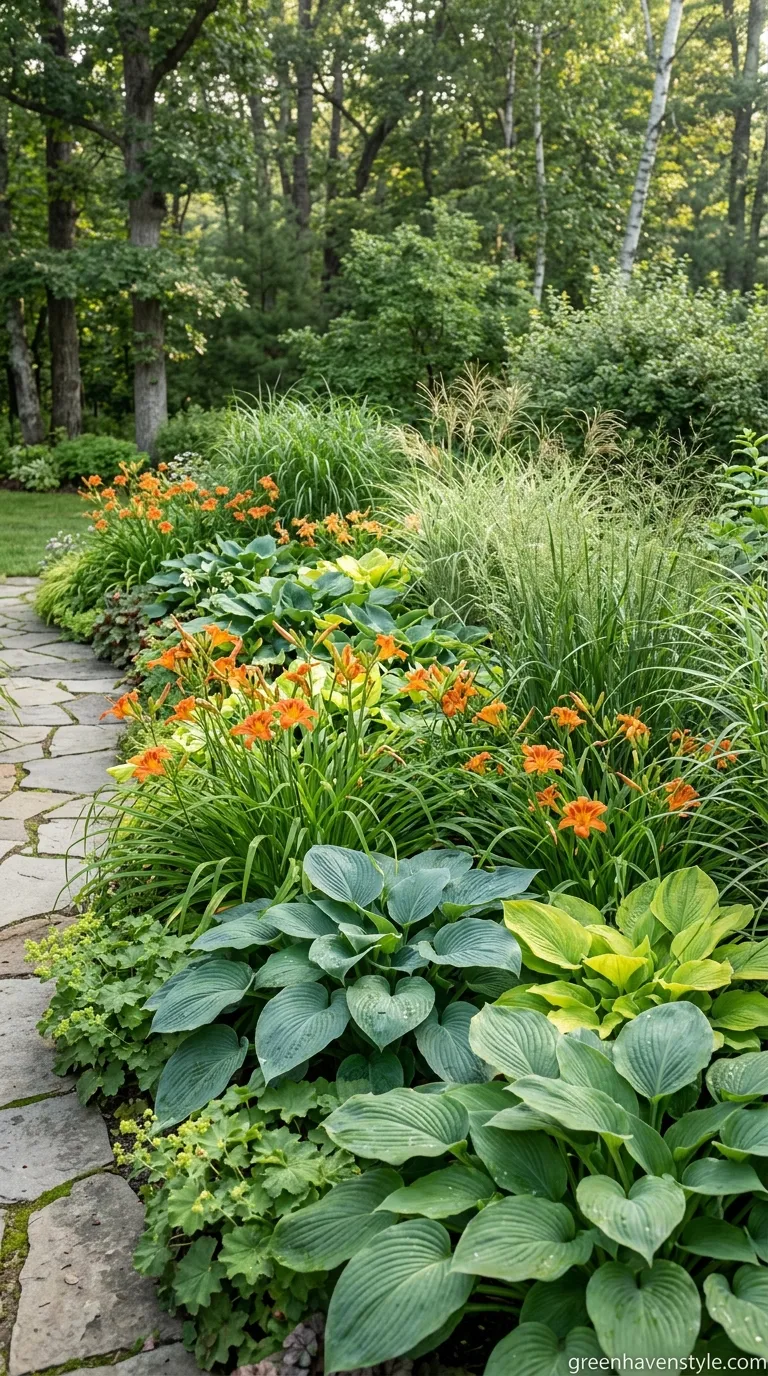
Focus your budget on perennial plants that return year after year rather than annuals requiring replacement each season. This long-term thinking delivers better value and less ongoing expense.
Hostas, daylilies, coneflowers, and ornamental grasses cost slightly more upfront but provide decades of growth and beauty. In my experience, a well-chosen perennial collection becomes more impressive each year as plants mature and spread naturally. Many perennials can be divided and shared with neighbors, essentially making them free in subsequent years. This strategic garden planning approach builds lasting beauty while minimizing annual spending.
7. Stone Border Edging
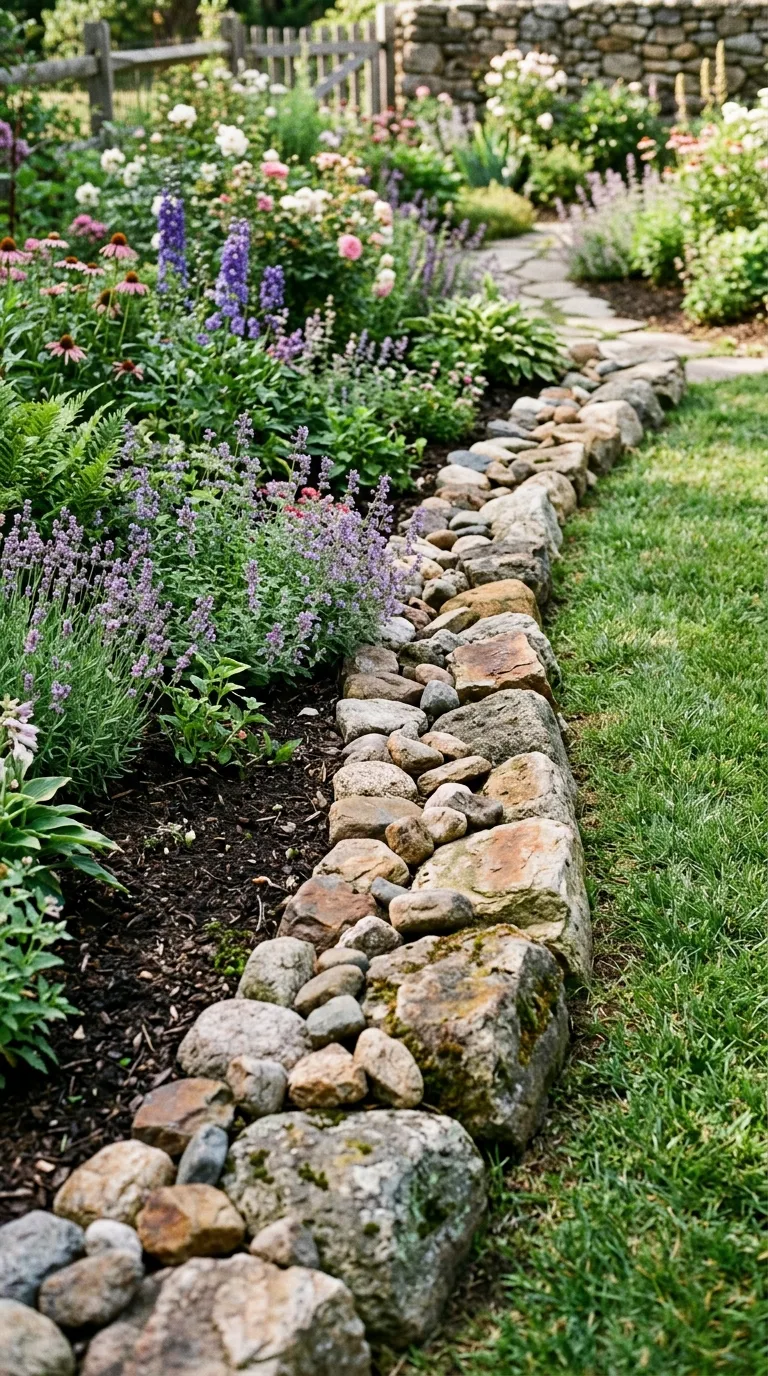
Collect free stones from fields, roadsides, or natural areas to create attractive garden bed edging that costs nothing but a little time and effort.
Natural stone borders give gardens a timeless, established appearance while clearly defining planting areas and preventing grass encroachment. I’ve found that the irregular shapes and varied colors of found stones create more organic, appealing edges than manufactured products. This project requires no special skills—just arranging stones in a pleasing pattern. The permanence means you’ll never need to replace or maintain the edging once installed.
8. Compost Bin System
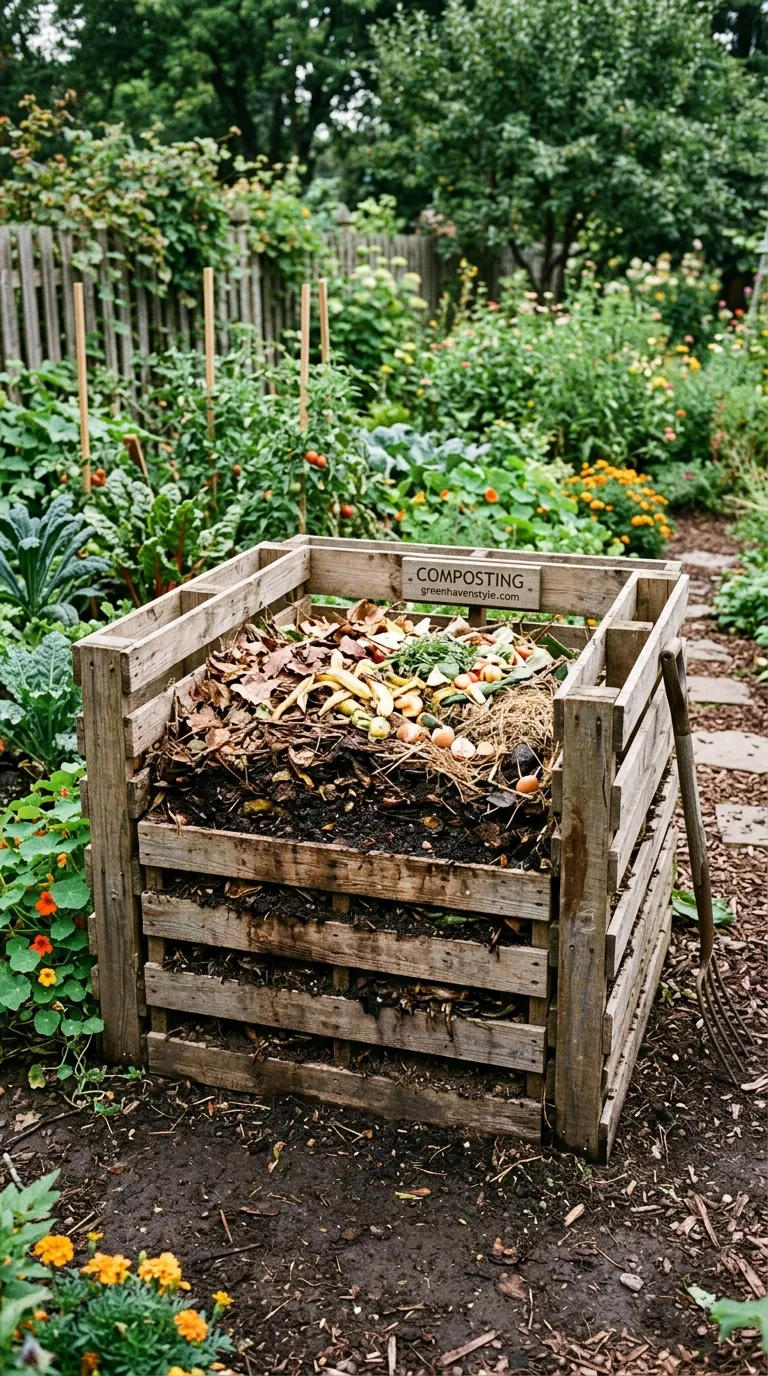
Build a simple compost system using wire fencing or repurposed pallets to create free, nutrient-rich soil amendment that eliminates the need for expensive fertilizers.
Turning kitchen scraps and yard waste into black gold dramatically improves soil quality while reducing household waste heading to landfills. I’ve noticed that gardens with regular compost additions grow noticeably healthier plants with better disease resistance and vigor. The initial setup costs nearly nothing, and the ongoing benefits compound year after year. This sustainable practice embodies smart budget gardening while improving environmental impact.
9. Climbing Plant Structures
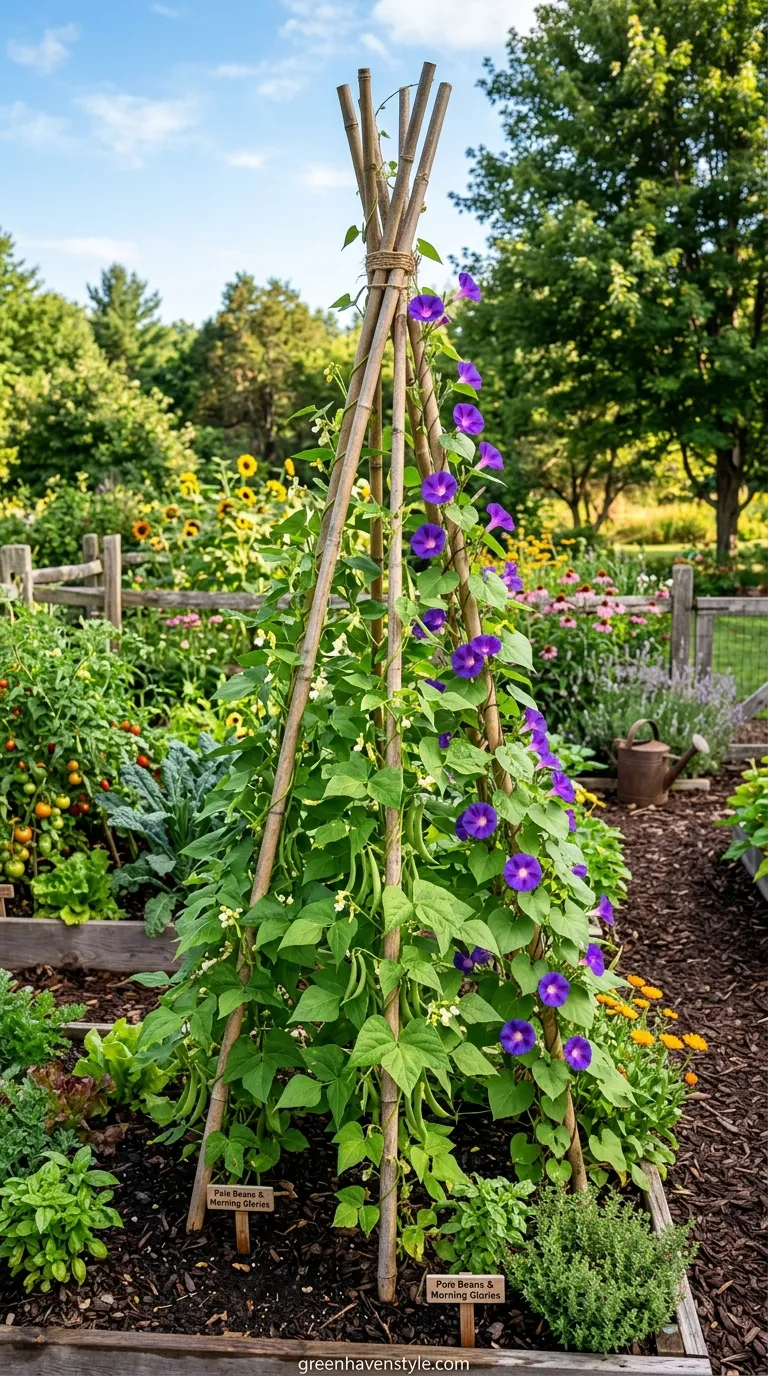
Create vertical interest using simple bamboo teepees, string trellises, or repurposed ladders for climbing plants to grow upward instead of outward.
Vertical growing maximizes limited space while adding architectural elements that make gardens feel more designed and intentional. From what I’ve seen, pole beans, sweet peas, morning glories, and cucumbers thrive on basic support structures costing just dollars to create. The height variation these structures provide makes small gardens feel larger and more dynamic. This space-saving technique delivers impressive visual impact with minimal material investment.
10. Wildflower Meadow Patch
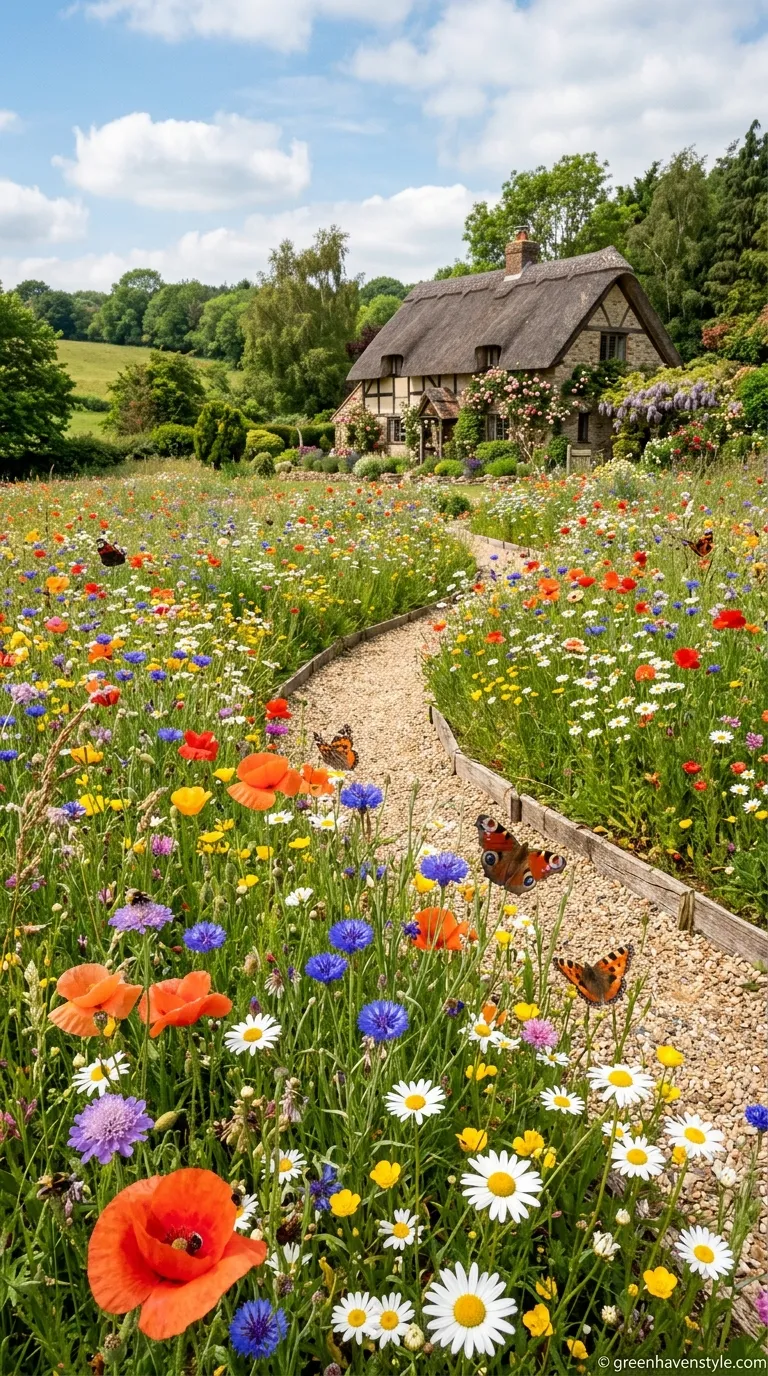
Replace high-maintenance lawn areas with low-cost wildflower seed mixes that require minimal care while supporting pollinators and adding cottage garden charm.
A single can of wildflower seeds covers large areas for a fraction of what sod or even regular grass seed would cost. I’ve observed that once established, wildflower patches basically care for themselves, reseeding naturally and requiring no mowing, fertilizing, or regular watering. The constantly changing blooms throughout the season provide more visual interest than static lawns. This low-maintenance landscaping choice reduces both initial costs and ongoing expenses.
11. Brick or Paver Patterns
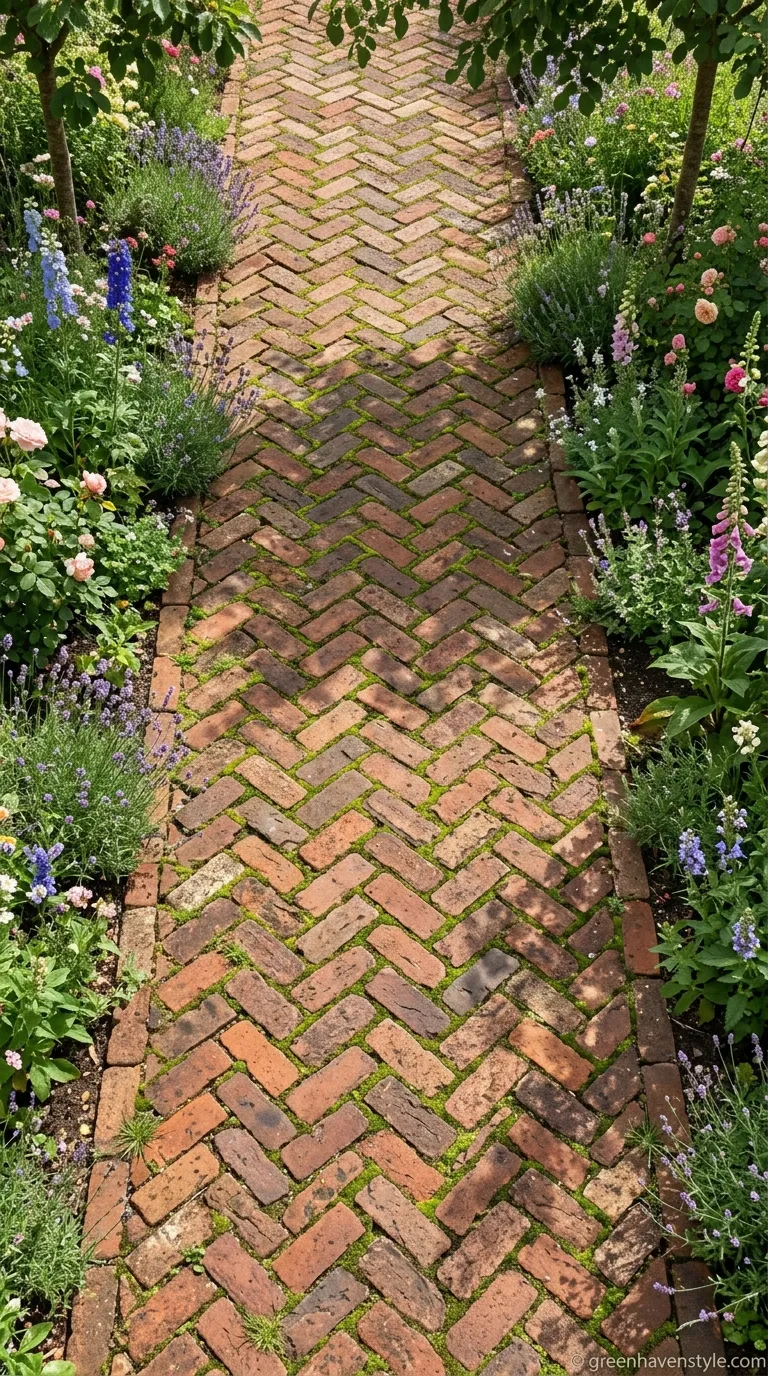
Source free or cheap bricks from demolition sites, online listings, or construction surplus to create charming pathways, patios, or edging with classic appeal.
Reclaimed materials often have more character than new products while costing nothing or very little. In my experience, mismatched brick colors and weathered surfaces create more authentic cottage garden aesthetics than perfect, uniform pavers. The project requires only sand, time, and physical effort rather than professional installation. This DIY landscaping approach delivers permanent improvements that increase property value far beyond the minimal investment.
12. Tiered Pot Display
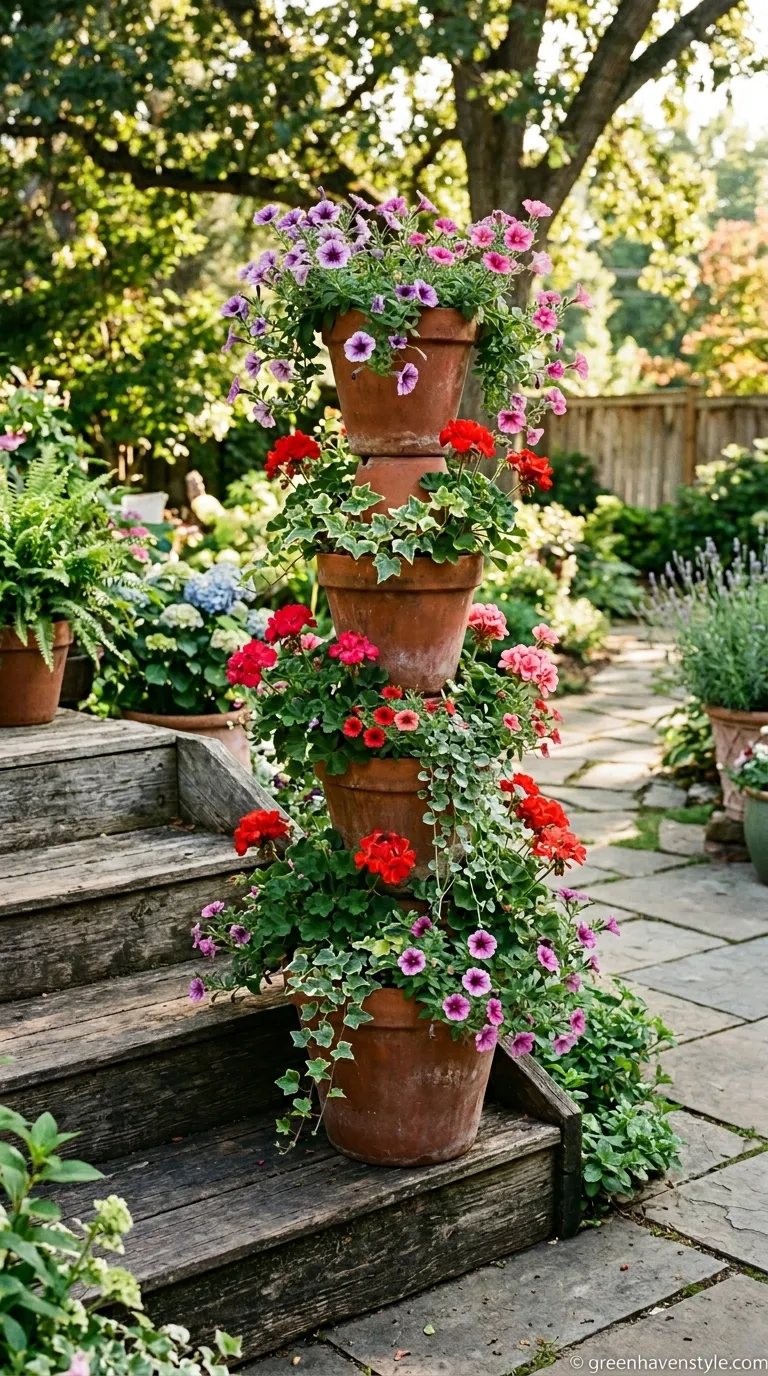
Create vertical garden interest by stacking pots of decreasing sizes or arranging them on simple wooden steps or repurposed shelving.
This technique multiplies your growing space while creating eye-catching focal points that draw attention and organize plant collections visually. I’ve found that tiered arrangements make even modest plant collections appear abundant and thoughtfully curated. The varied heights improve air circulation around plants and showcase trailing varieties beautifully. This container gardening method maximizes impact from whatever pots you already own without purchasing additional materials.
13. Ground Cover Expansion
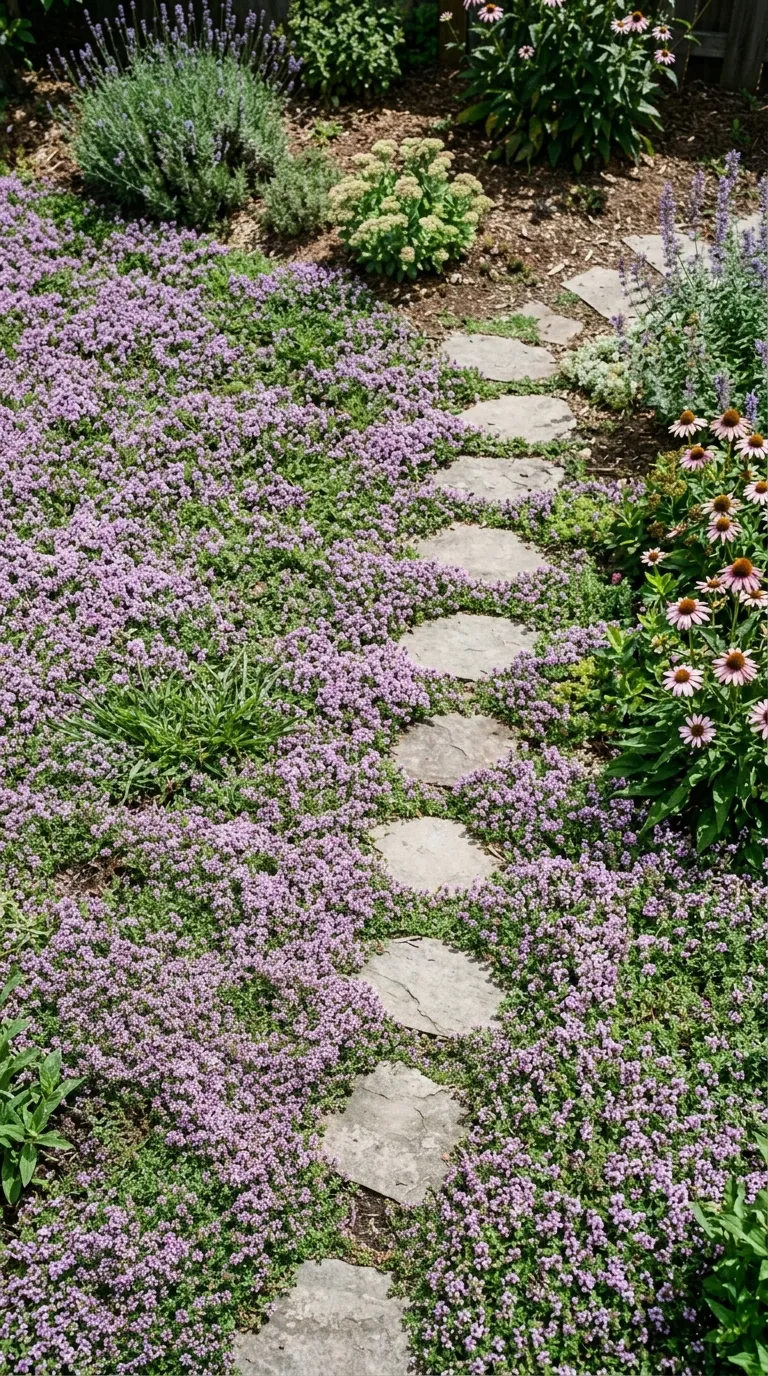
Plant fast-spreading ground covers like creeping thyme, ajuga, or vinca to quickly fill large areas inexpensively while suppressing weeds naturally.
Ground covers cost far less per square foot than grass seed or mulch while providing living color and texture that improves over time. From what I’ve seen, starting with a few plants and allowing them to spread naturally creates full coverage within a season or two. Many ground covers tolerate foot traffic, making them practical lawn alternatives. This patient budget strategy transforms bare or weedy areas into attractive plantings.
14. Rain Barrel Water System
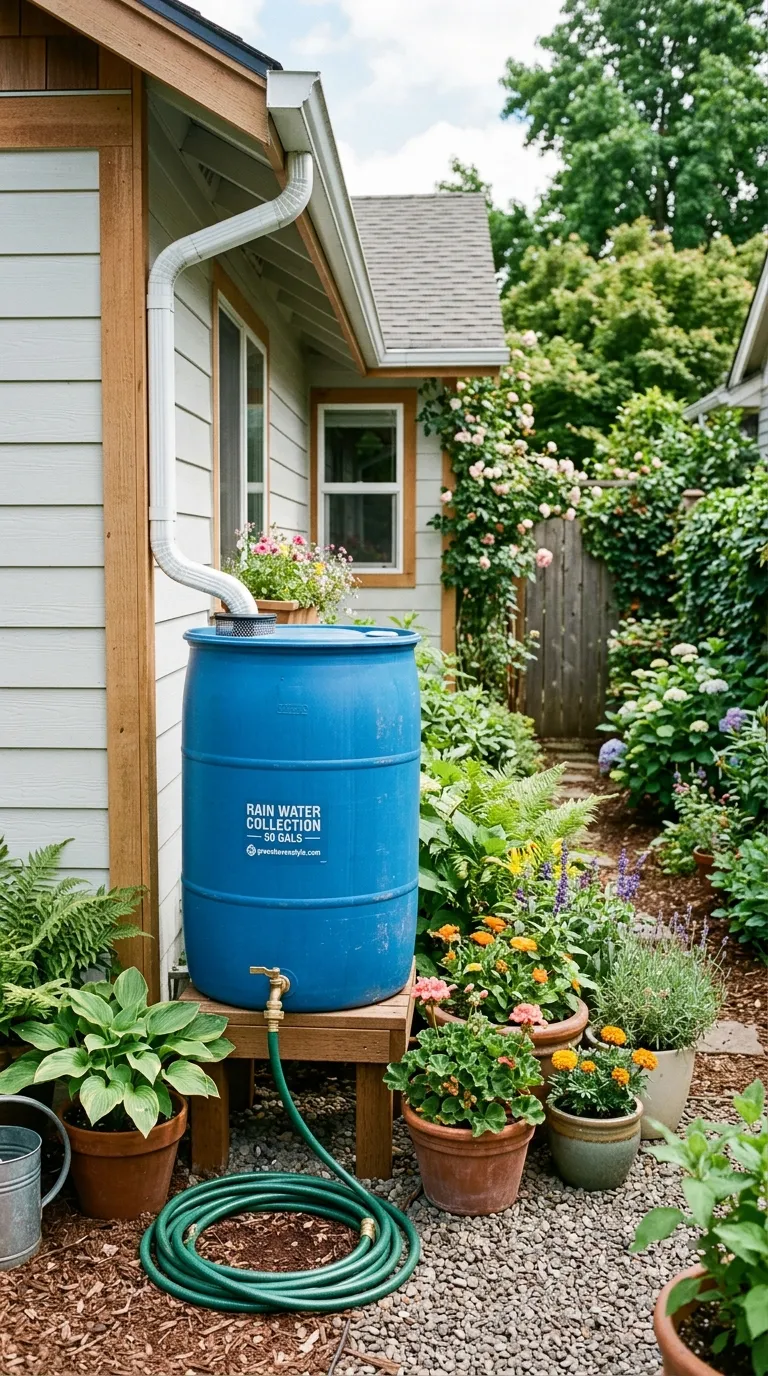
Install an inexpensive rain barrel to collect free water for garden irrigation, reducing utility bills while providing plants with chemical-free moisture.
The initial investment in a rain barrel pays for itself within a season or two through reduced water bills, especially during dry summer months. I’ve noticed that rainwater often produces healthier plant growth than chlorinated tap water. Many municipalities offer rain barrels at subsidized prices or even free through conservation programs. This sustainable addition benefits both your garden budget and the environment long-term.
15. Self-Seeding Annual Strategy
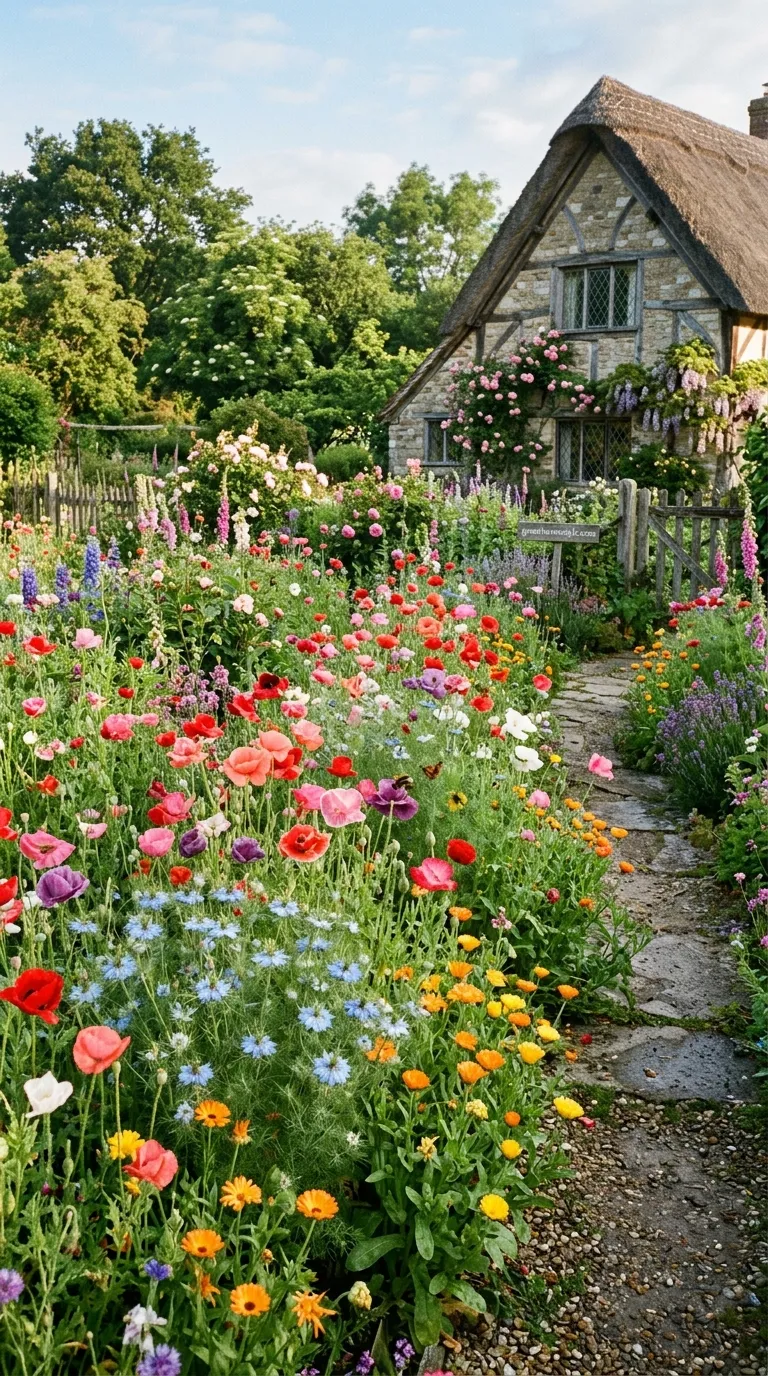
Choose annuals that readily self-seed like poppies, nigella, or calendula to enjoy free new plants each year without replanting.
These generous plants drop seeds that germinate naturally the following season, creating ever-expanding displays without ongoing purchases. In my experience, self-seeding annuals fill gaps between perennials and create that relaxed cottage garden aesthetic that feels established and abundant. Simply avoid heavy mulching in areas where you want volunteers to appear. This hands-off gardening approach delivers continuous beauty with zero ongoing investment.
16. Painted Rock Accents
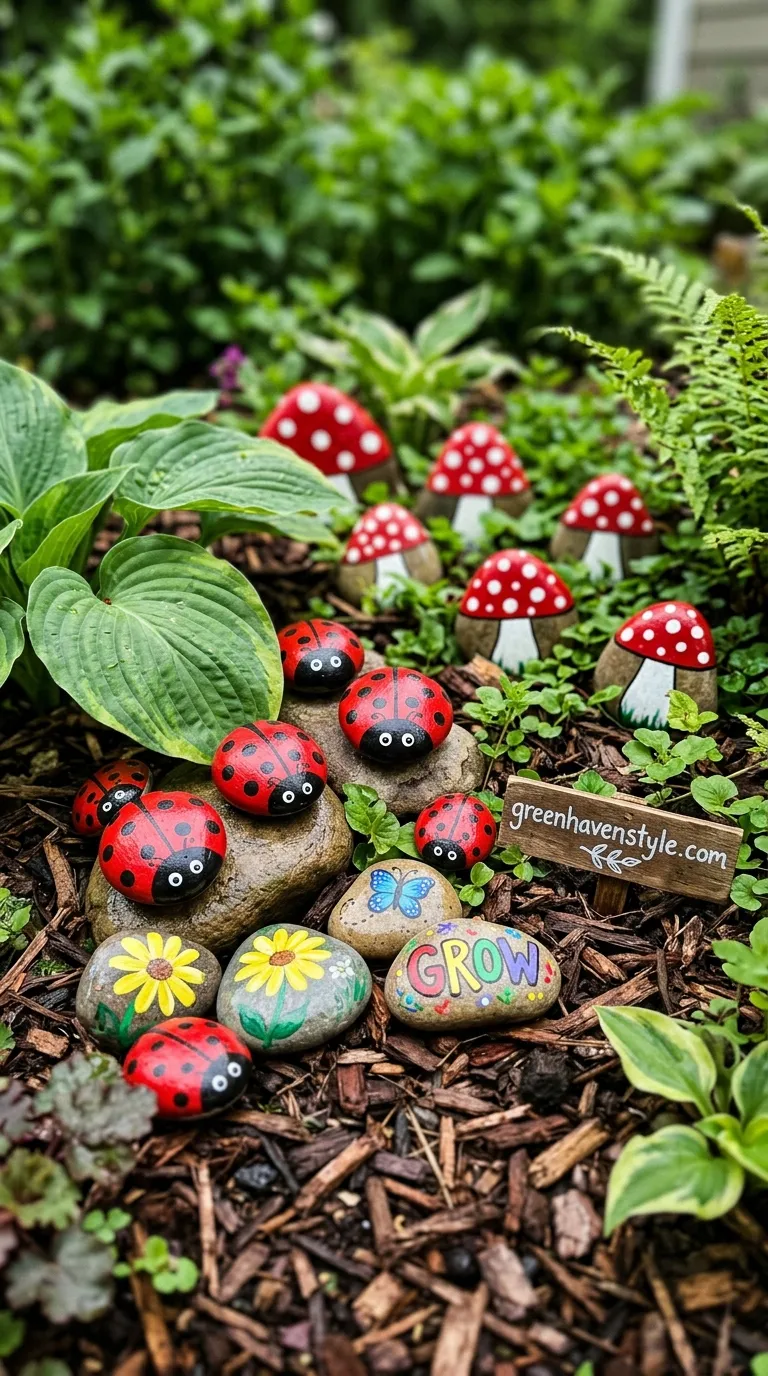
Transform ordinary rocks into decorative garden accents with outdoor paint—create faux mushrooms, ladybugs, inspirational words, or abstract designs.
This family-friendly project costs almost nothing while adding whimsy and personality throughout your garden spaces. I’ve found that painted rocks work particularly well in areas where plants are still establishing, providing visual interest during the waiting period. Children especially enjoy contributing their artistic creations to the family garden. These cheerful touches make your outdoor space uniquely yours while demonstrating that creative gardening requires imagination more than money.
Conclusion
Creating a beautiful garden truly doesn’t require a massive budget or professional help. These simple garden ideas demonstrate that resourcefulness, patience, and creativity deliver stunning results that rival expensive landscape installations.
From starting plants from seeds to repurposing everyday items as unique containers, each approach proves that the most meaningful gardens grow from personal investment of time and thought rather than money. I’ve seen countless examples of gorgeous outdoor spaces created almost entirely from free materials, propagated plants, and clever DIY solutions.
Start with whichever ideas excite you most and fit your current situation. Save this article for ongoing inspiration, share it with friends who dream of better gardens, and remember that every beautiful garden started with a single simple step.


