
16 Indoor Vertical Garden Ideas to Maximize Space and Style
Running out of floor space but craving more plants? Going vertical might be the solution you’ve been searching for. Indoor vertical garden ideas transform empty walls into living works of art that purify your air and calm your mind.
Whether you live in a tiny apartment or a spacious house, vertical gardens work everywhere. They turn overlooked vertical surfaces into productive growing zones while creating stunning focal points that guests always notice and admire.
I’ve noticed that people often assume vertical gardens require complicated installations or professional help. The truth is simpler. Most setups use basic materials and take less time to create than you’d expect, yet they deliver dramatic visual impact that completely changes how a room feels.
16 Indoor Vertical Garden Ideas to Maximize Space and Style
These ideas range from beginner-friendly hanging planters to statement-making living walls. Each one maximizes your growing potential without sacrificing precious floor space, proving that small homes can absolutely embrace abundant greenery.
1. Ladder Plant Stand 
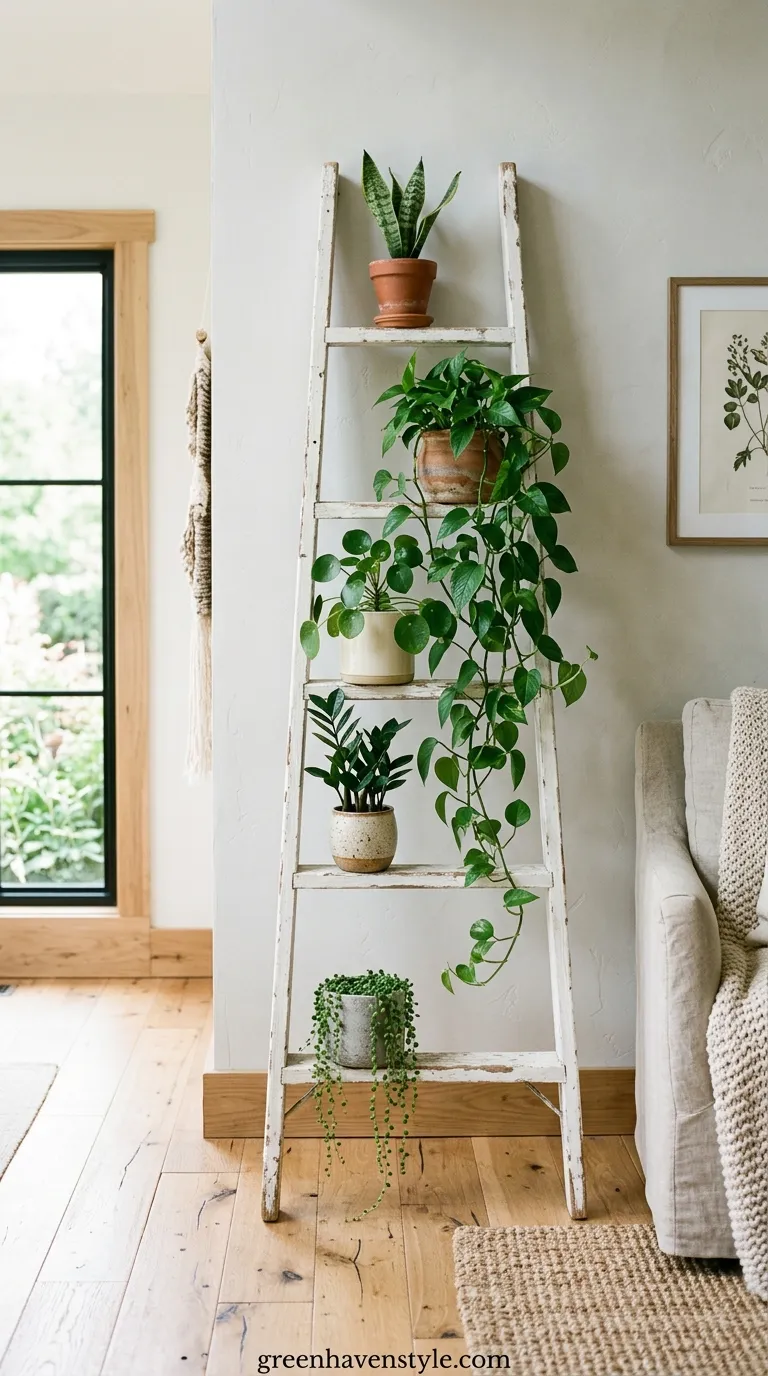
A leaning wooden ladder creates instant multi-level plant display space. Each rung holds pots at different heights, turning a simple piece into functional sculpture that draws the eye upward while showcasing your favorite trailing and upright plants.
The angled design ensures adequate light reaches every level without plants shading each other. I’ve found that positioning shade-tolerant varieties on lower rungs and light-lovers near the top creates thriving arrangements where every plant gets exactly what it needs without constant repositioning.
2. Mounted Pocket Planters
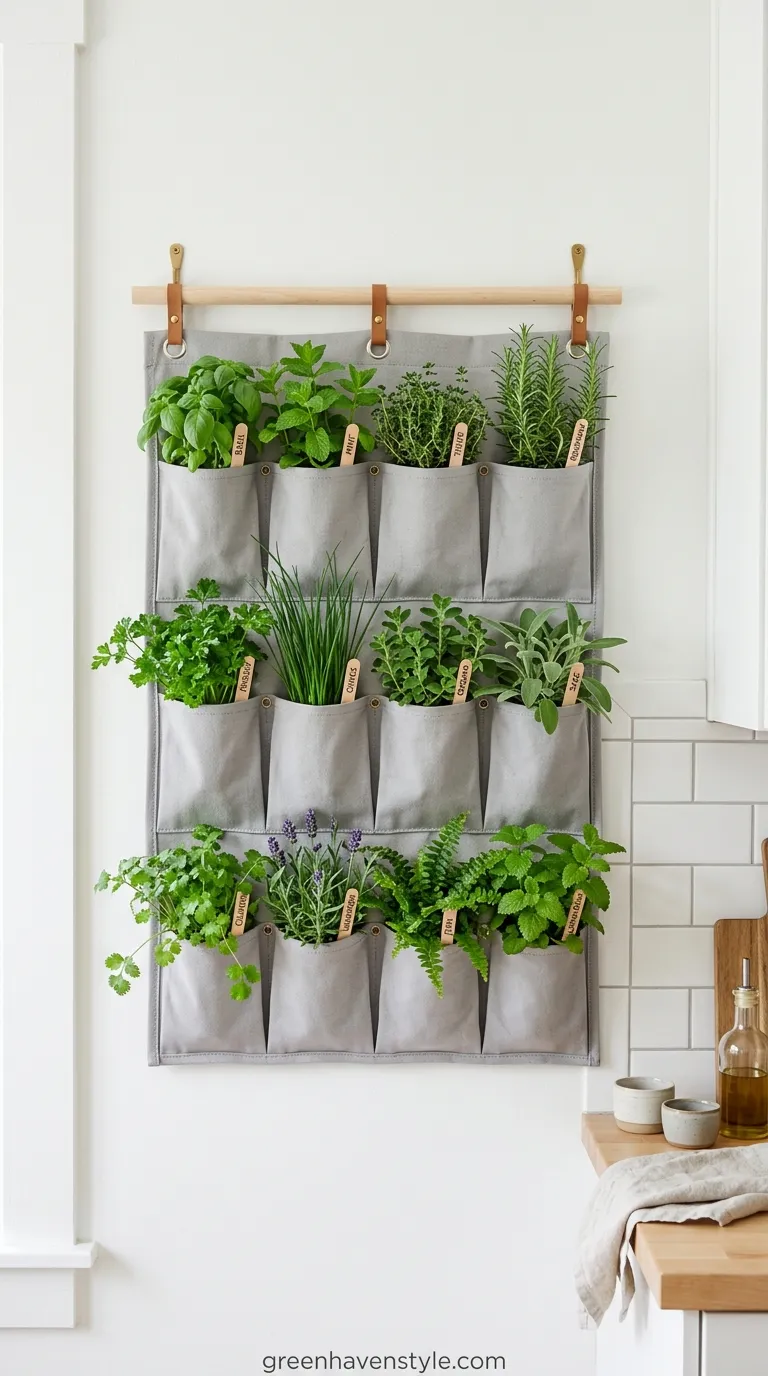
Fabric wall pockets with individual compartments attach directly to vertical surfaces. These soft-sided containers hold soil and plants securely while taking up zero floor space, making them perfect for renters who need removable solutions that don’t damage walls.
The flexible material conforms to irregular wall surfaces and weighs less than traditional containers. From what I’ve seen, these work exceptionally well for herbs and shallow-rooted plants, creating kitchen gardens or bedroom greenery that feels intentional rather than cluttered or overwhelming.
3. Floating Shelf Garden
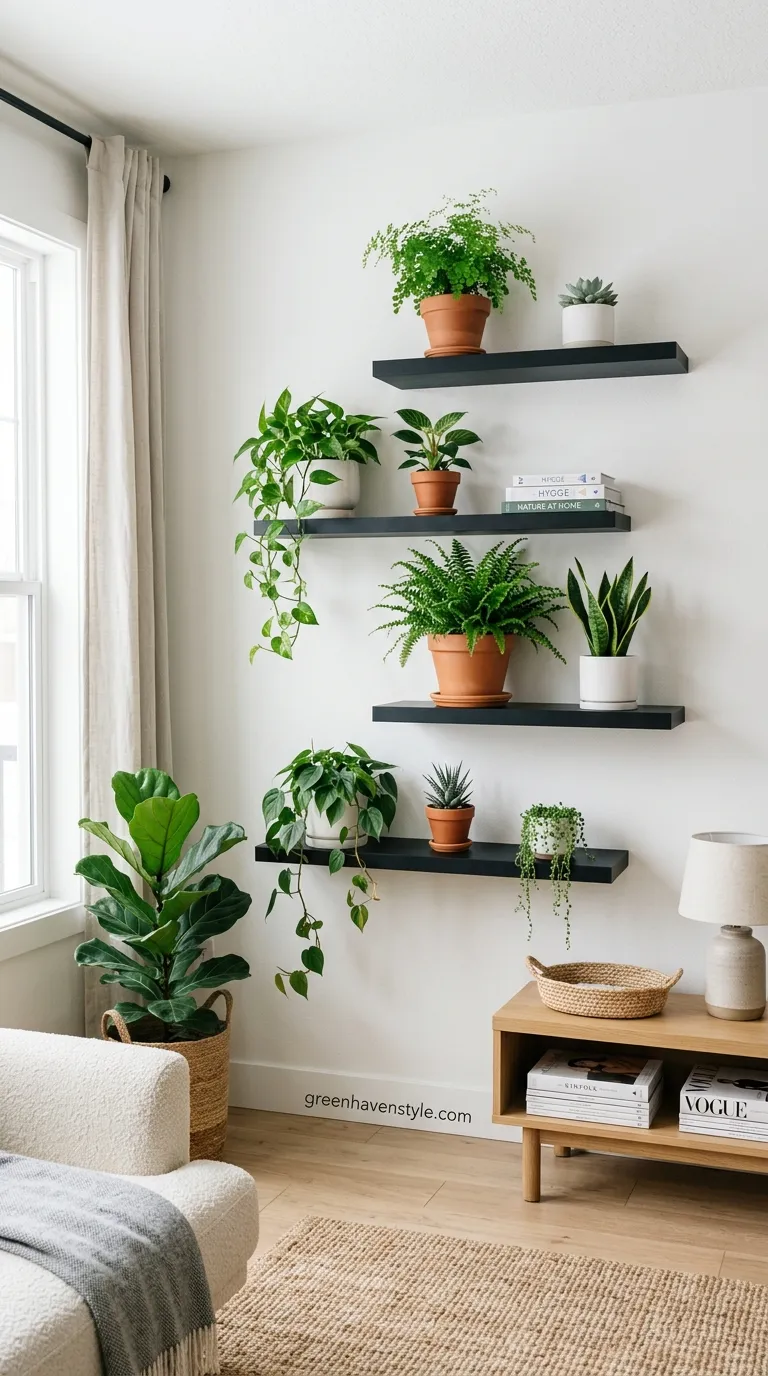
Staggered floating shelves installed at varying heights create dimensional plant displays. The clean-lined design keeps focus on your greenery while providing sturdy surfaces for heavier pots that hanging systems can’t safely support long-term.
Strategic shelf placement allows you to curate collections by light needs or aesthetic preferences. I’ve observed that alternating shelf lengths creates more visual interest than uniform sizing, giving your wall garden an organic, collected-over-time appearance rather than overly staged perfection.
4. Macramé Hanging Wall
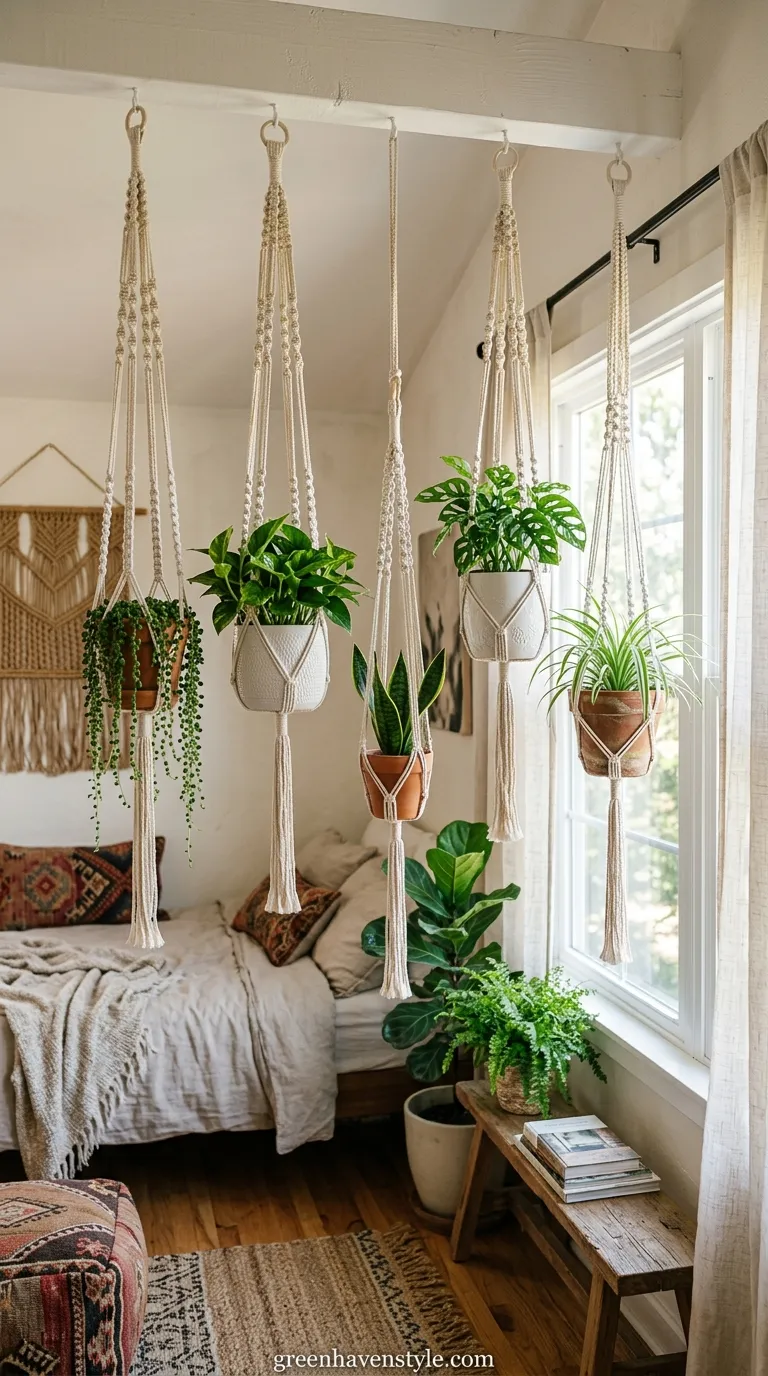
Multiple macramé plant hangers suspended at different lengths create bohemian vertical greenery. The handcrafted texture adds warmth while the varied heights prevent a rigid, uniform appearance that feels too structured for relaxed, nature-inspired spaces.
This approach works beautifully near windows where plants receive indirect light. In my experience, grouping hangers in odd numbers like three or five creates more balanced compositions, and mixing pot sizes adds depth that makes the entire arrangement feel thoughtfully designed.
5. Wall-Mounted Planter Grid
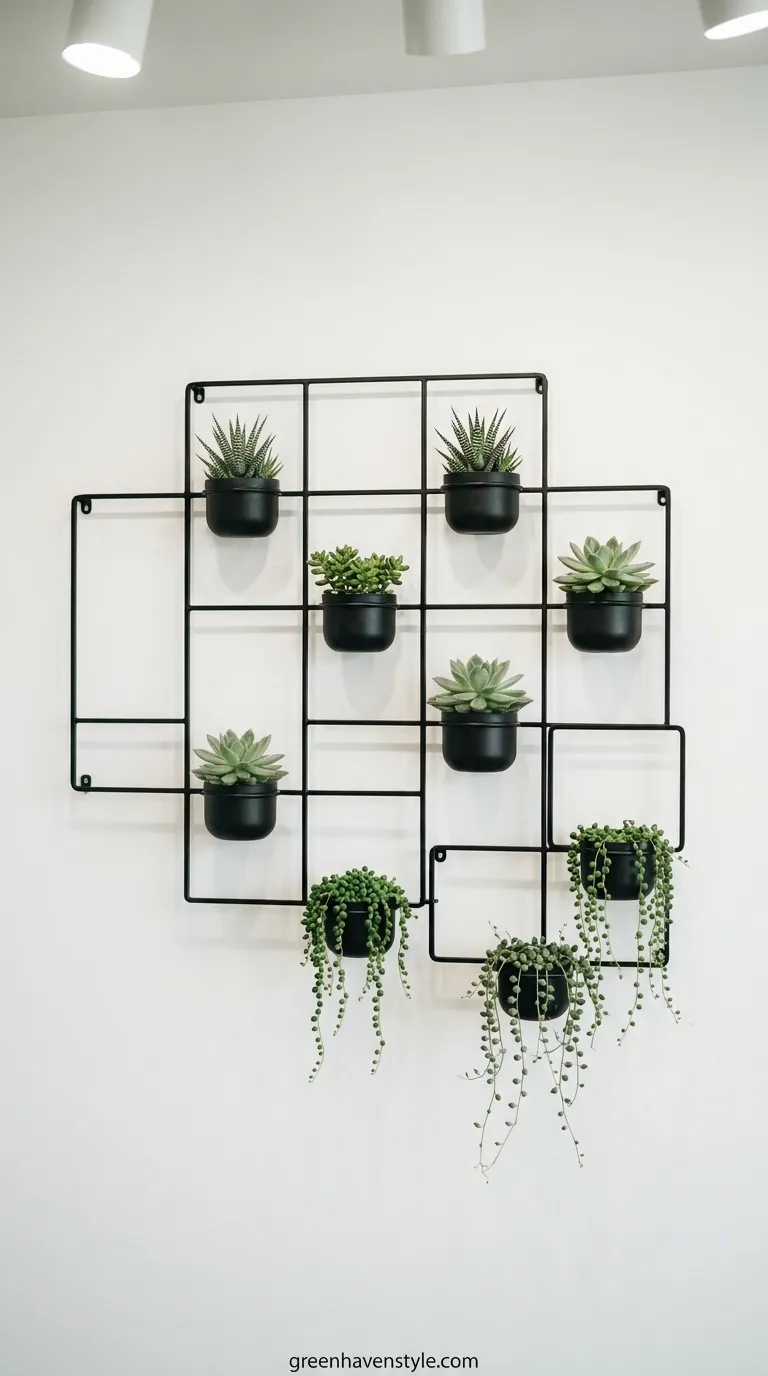
A geometric metal grid system lets you arrange pots in customizable patterns. The modular design means you can add, remove, or rearrange containers as your collection grows, creating flexible living wall gardens that evolve with your plant journey.
The open framework maintains airflow around plants while displaying them like gallery art. I’ve experimented with both symmetrical and asymmetric arrangements, finding that imperfect layouts often feel more approachable and natural than perfectly uniform grids that can appear too formal.
6. Hanging Test Tube Vases
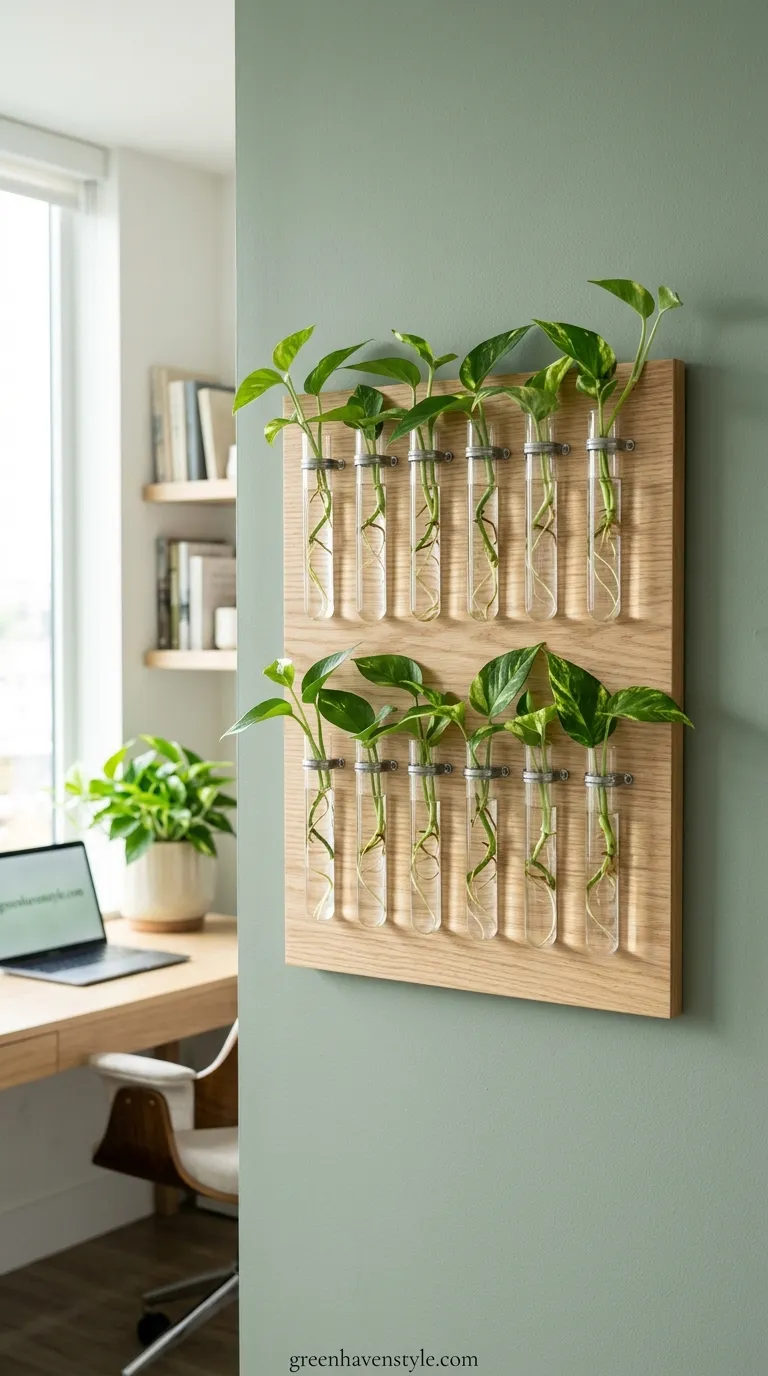
Individual glass tubes mounted to backing boards create minimalist wall planters perfect for propagations and cuttings. The transparent vessels showcase root development while the streamlined design fits seamlessly into modern, Scandinavian, or industrial interior styles.
This setup works exceptionally well for plants like pothos that root easily in water. I learned the hard way to use filtered water rather than tap, as mineral buildup clouds the glass quickly, diminishing the clean aesthetic that makes these displays so visually appealing.
7. Pallet Garden Installation
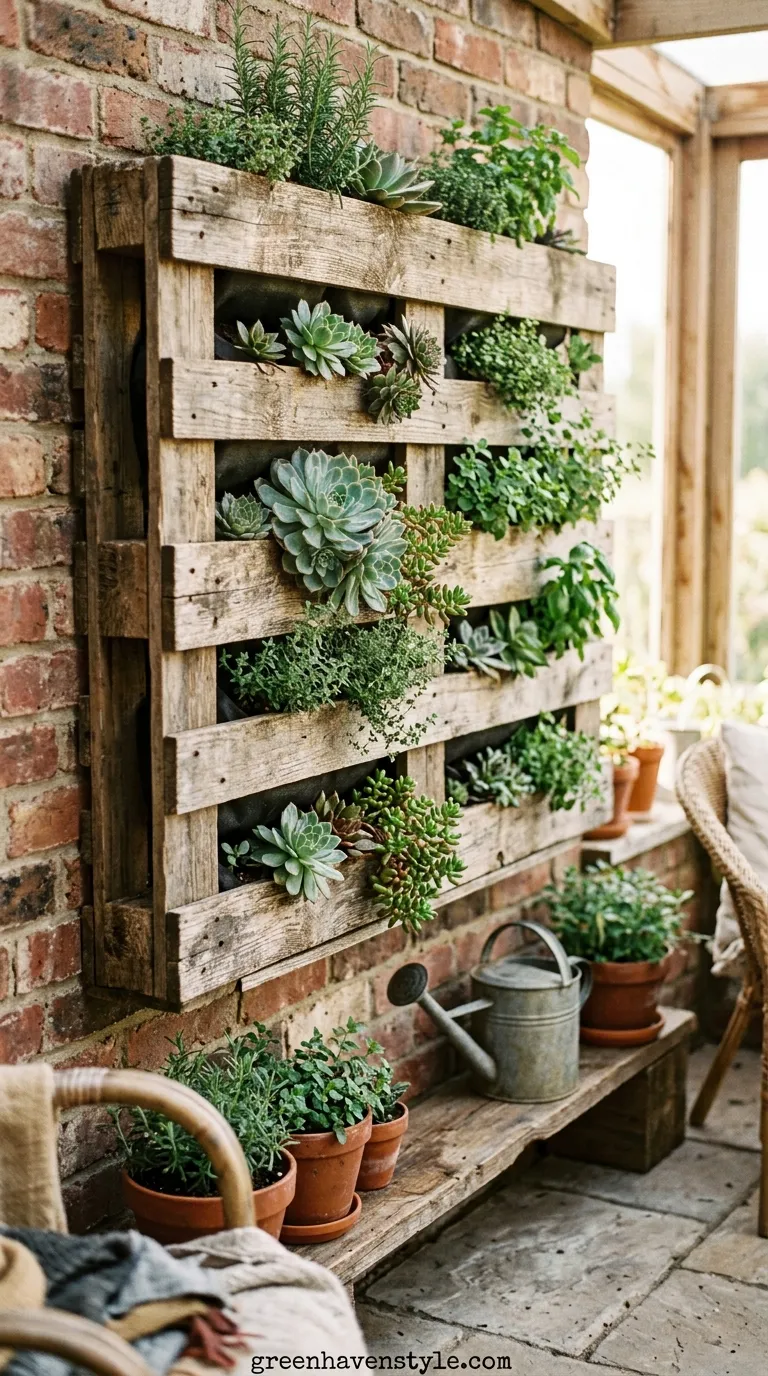
A repurposed wooden pallet mounted horizontally creates rustic vertical planting space. The gaps between boards become natural planting pockets when lined with landscape fabric, transforming salvaged materials into functional garden walls with authentic weathered character.
This budget-friendly option brings farmhouse charm to any room. I’ve seen these work particularly well for succulents and small herbs that don’t require deep root space, creating abundant greenery from what would otherwise be discarded wood headed for landfills or burning.
8. Corner Tension Pole System
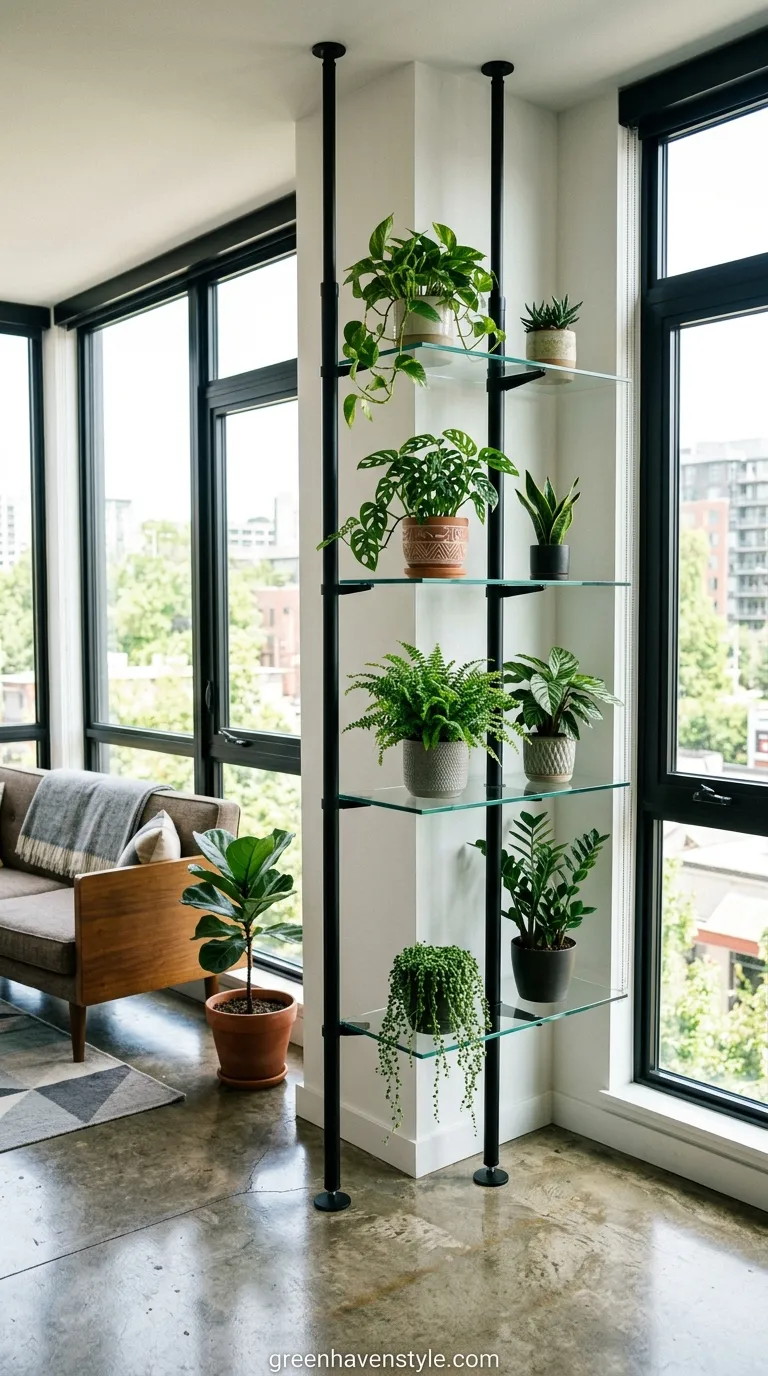
Floor-to-ceiling tension rods with adjustable shelves maximize awkward corner spaces. The vertical design captures otherwise wasted areas while the adjustable components accommodate plants of varying heights without permanent wall modifications that concern landlords.
These systems work brilliantly in apartments with height restrictions on drilling. From what I’ve seen, corners near windows become micro-ecosystems where humidity and light create ideal conditions, often outperforming plants placed in more conventional central locations.
9. Picture Frame Planters
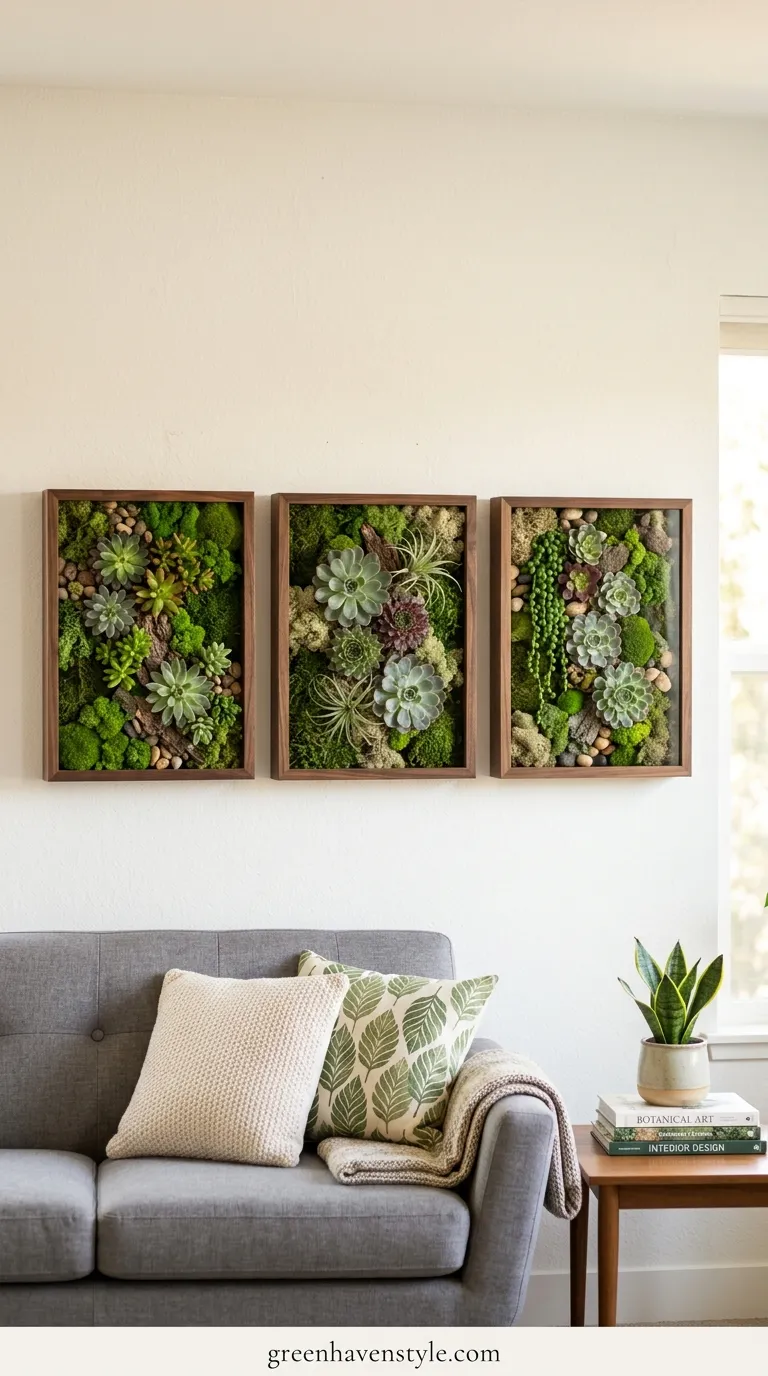
Shallow boxes designed like picture frames hold succulents and moss in vertical arrangements. These living artworks hang like traditional paintings but bring organic texture and life to walls, creating conversation pieces that blur the line between décor and nature.
The contained depth works perfectly for shallow-rooted varieties. In my experience, the tricky part is ensuring proper drainage without damaging walls below, but adding small weep holes and occasional horizontal positioning for watering solves this challenge elegantly.
10. Gutter Garden Rows
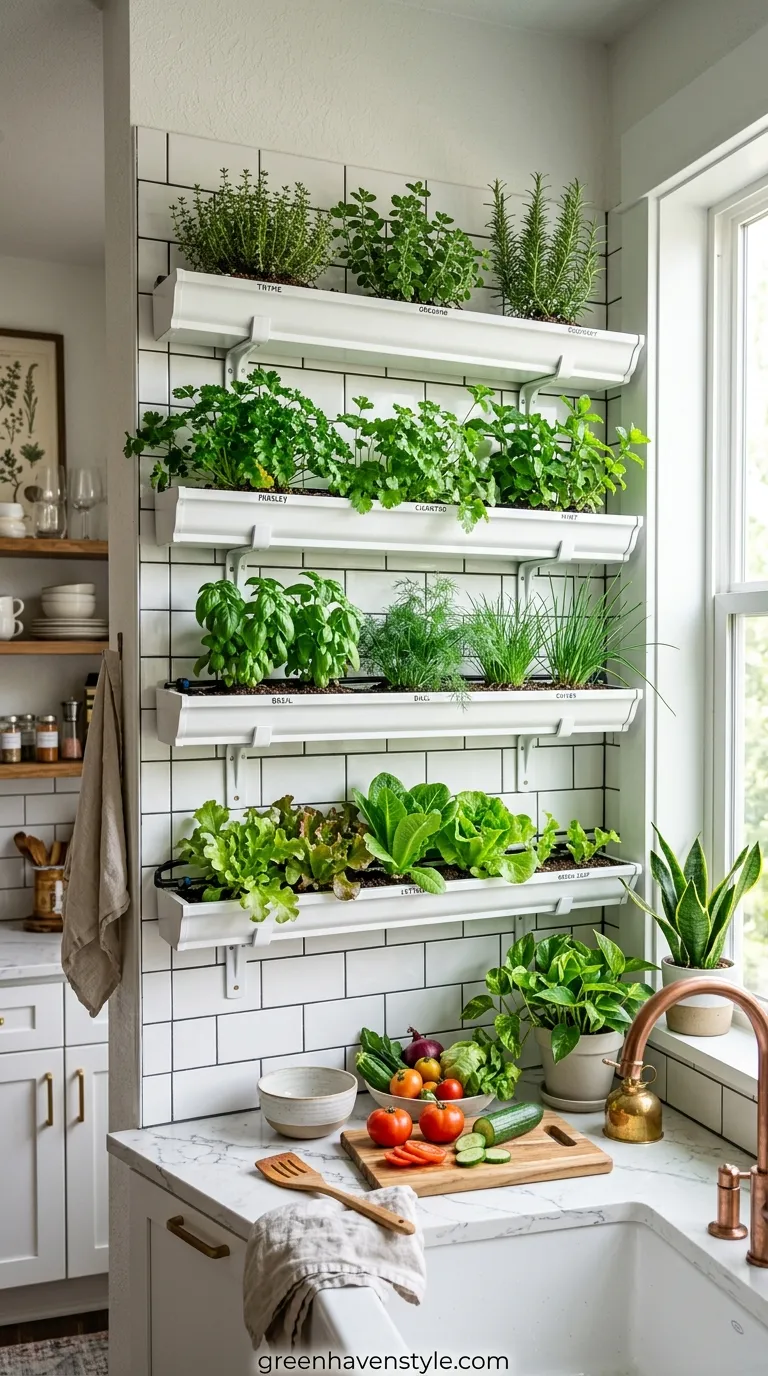
Repurposed rain gutters mounted horizontally create long narrow planting channels. The industrial materials cost little but deliver substantial growing capacity, particularly for lettuces, herbs, and strawberries that thrive in shallow containers with good drainage.
This utilitarian approach feels right at home in modern or eclectic spaces. I’ve noticed that painting gutters in coordinating colors transforms them from purely functional into design elements that complement rather than clash with existing décor schemes and color palettes.
11. Pegboard Plant Display
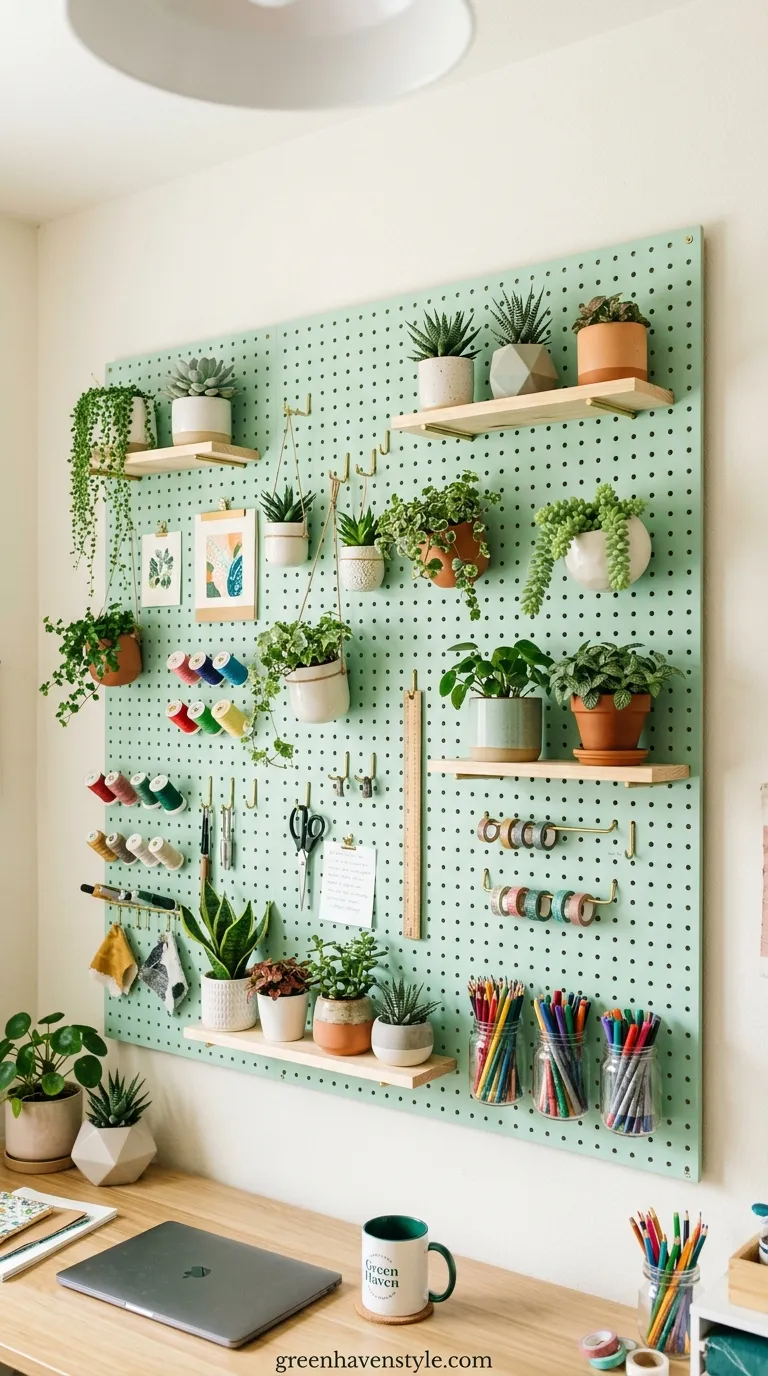
A painted pegboard with adjustable hooks and shelves creates completely customizable wall gardens. The endless reconfiguration options mean your setup evolves as plants grow or new additions join your collection, preventing the stagnant appearance of permanent installations.
The perforated design maintains excellent air circulation behind containers. I’ve tried both wood and metal pegboards, finding that sealed wood versions handle humidity better in bathrooms or kitchens where moisture levels fluctuate dramatically throughout the day.
12. Hanging Bottle Planters
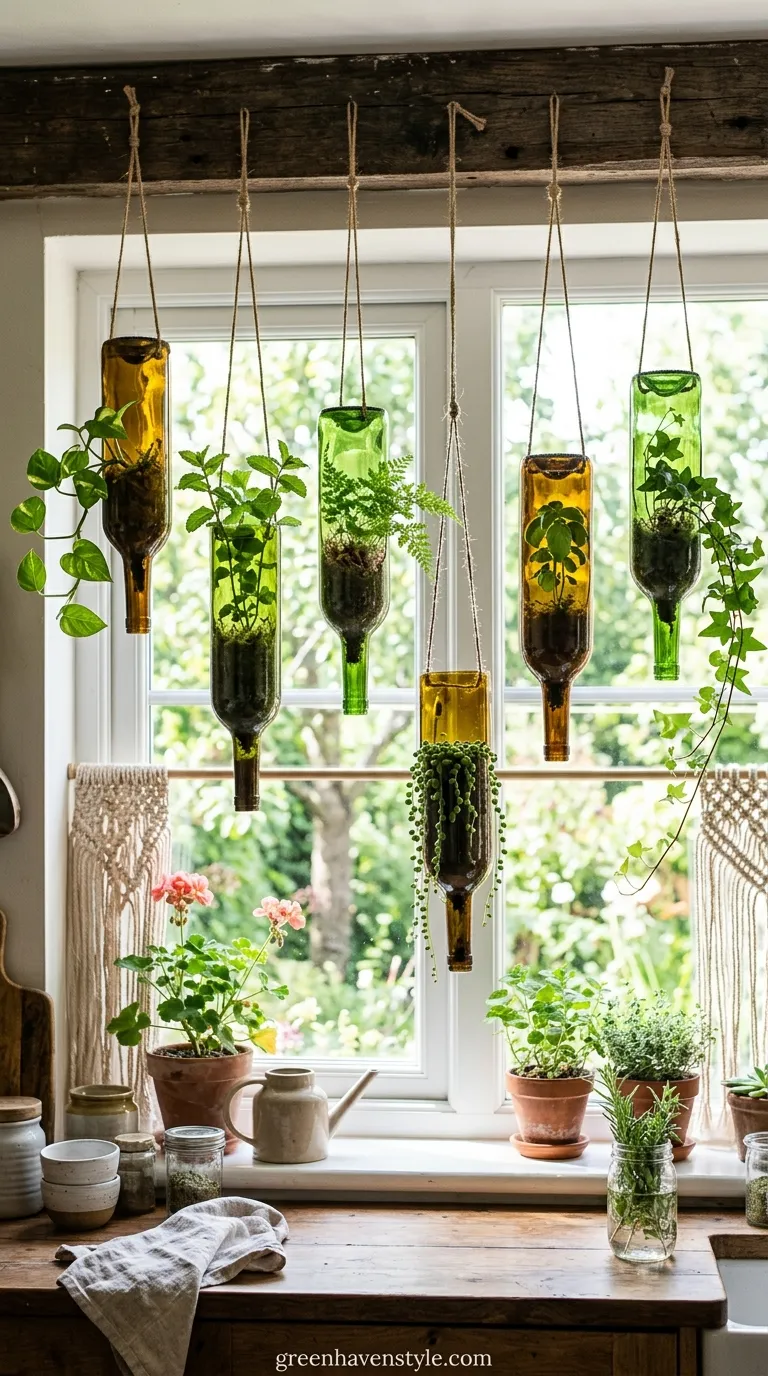
Repurposed glass bottles suspended upside-down create whimsical vertical gardens with eco-friendly appeal. Wine bottles, soda bottles, and mason jars all work beautifully when cut properly, transforming recyclables into charming planters that add personality and sustainability.
The transparent glass showcases both foliage and root systems attractively. I went through several cutting methods before discovering that scoring and thermal shock produces cleanest edges, making the difference between amateurish and professional-looking results that you’d proudly display.
13. Living Wall Panel System
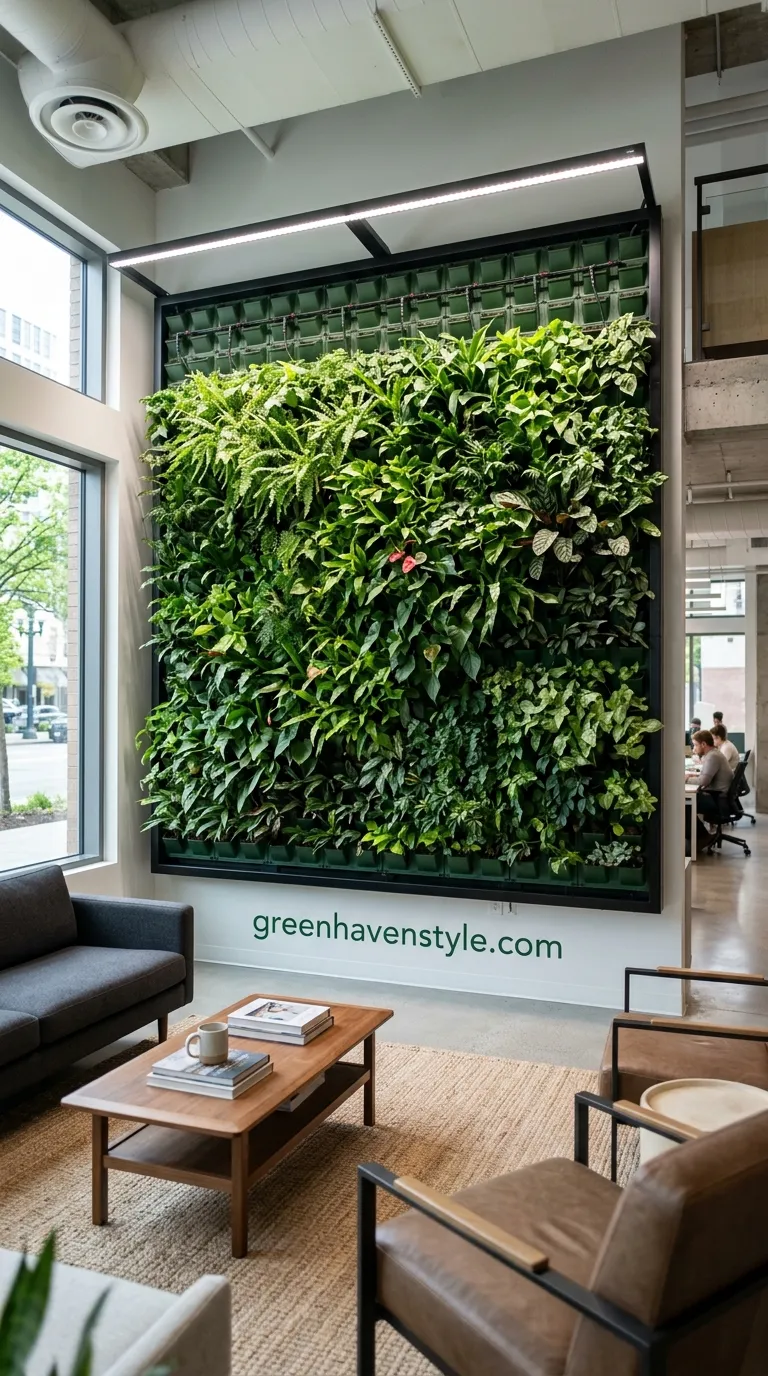
Modular panels with built-in irrigation create professional interior green walls. These comprehensive systems handle watering automatically while supporting dozens of plants in compact footprints, bringing dramatic biophilic design into homes without constant manual maintenance.
The self-contained nature prevents water damage concerns. I’ve been in rooms where these systems completely transform air quality and acoustics, absorbing sound while filtering pollutants in ways that few individual pots could match despite occupying similar wall space.
14. Rope and Board Shelves
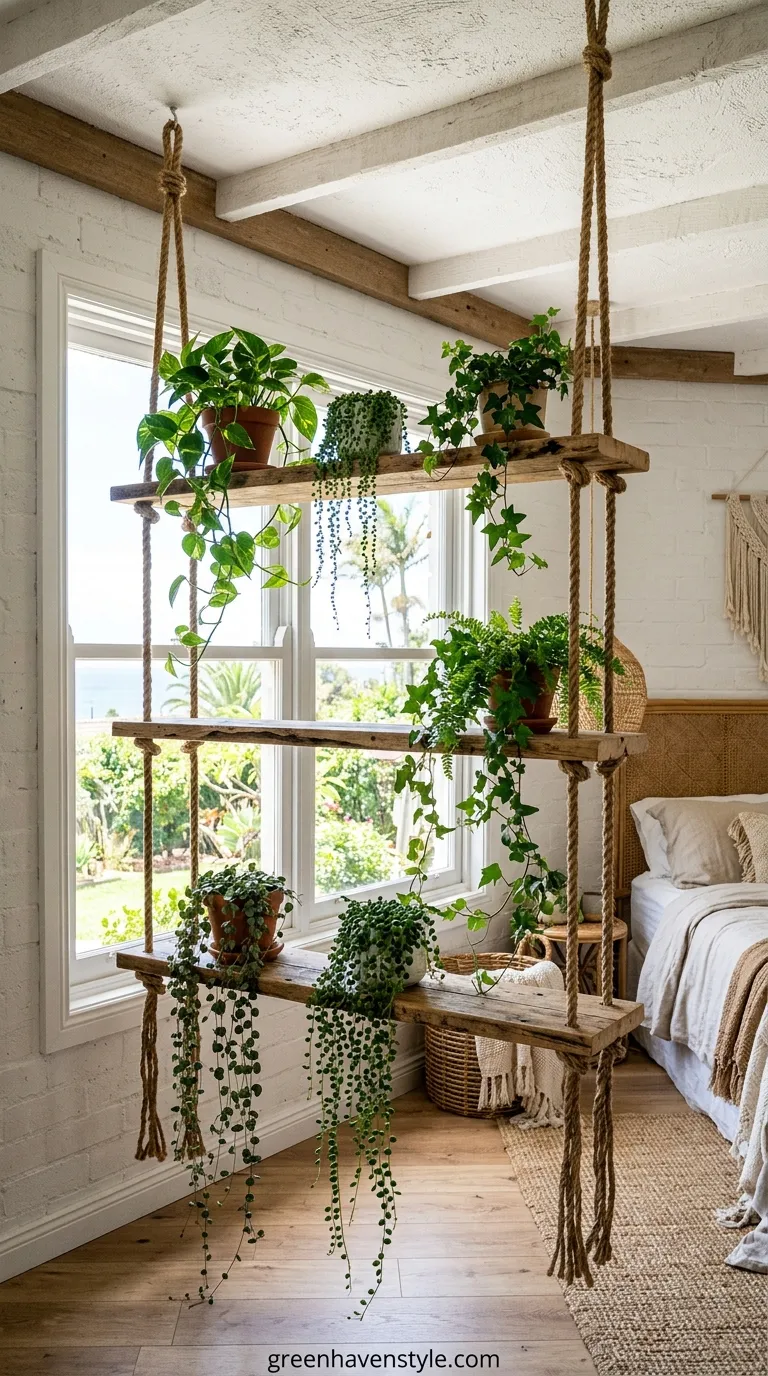
Shelves suspended by rope from ceiling hooks create hanging garden tiers. The natural fiber adds organic texture while the floating appearance keeps spaces feeling open rather than heavy, important in smaller rooms where visual weight affects how spacious areas feel.
This design works particularly well for trailing plants that cascade over edges. I’ve found that adjusting rope lengths creates staggered heights that prevent upper plants from blocking light to lower levels, ensuring everyone thrives rather than some struggling in shadows.
15. Mounted Wooden Crates
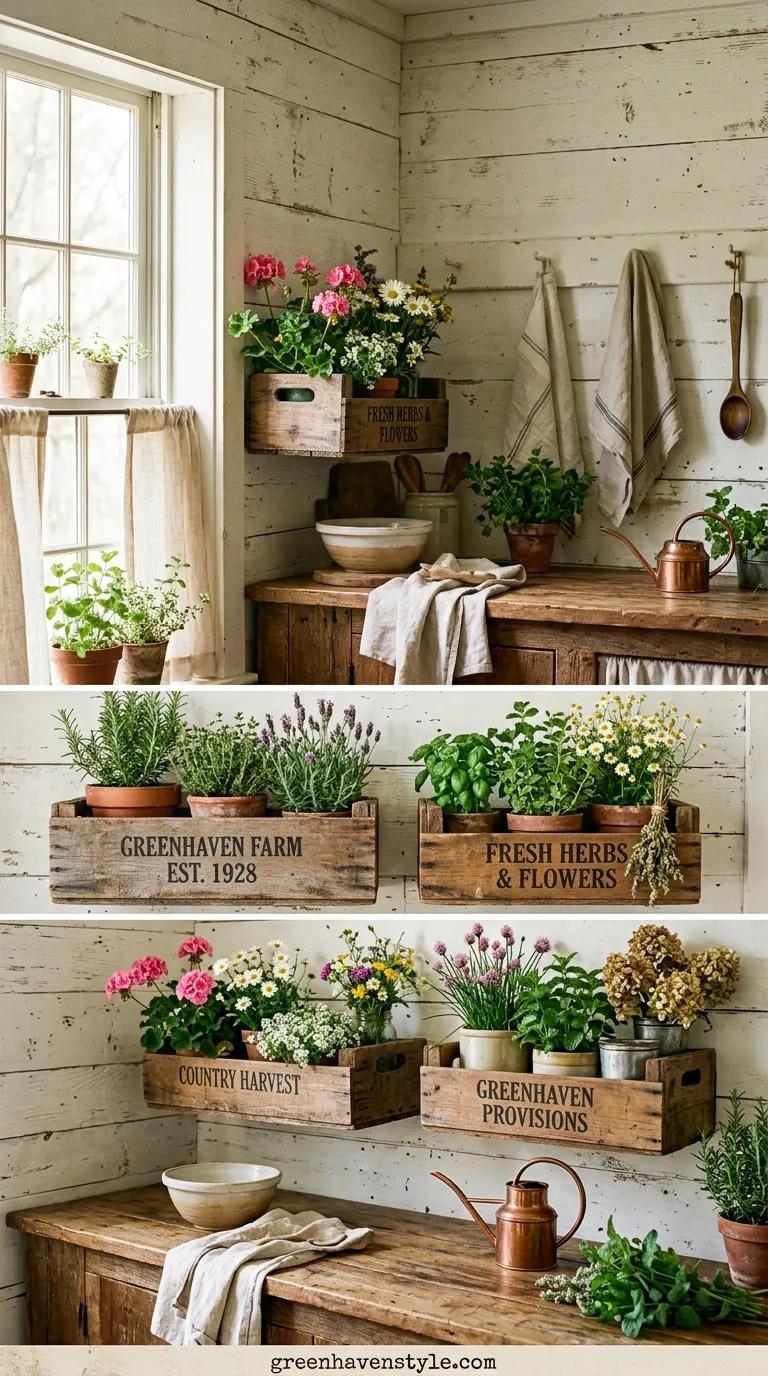
Vintage produce crates attached to walls become rustic planter boxes. The weathered wood adds character while the slatted construction provides natural drainage and airflow, creating ideal conditions for plants while establishing strong farmhouse or cottage aesthetic vibes.
The open design prevents moisture buildup that causes rot. From what I’ve seen, lining crates with coconut coir or landscape fabric contains soil while maintaining the drainage benefits that make these containers surprisingly functional despite their decorative, vintage appearance.
16. Wire Basket Wall Garden
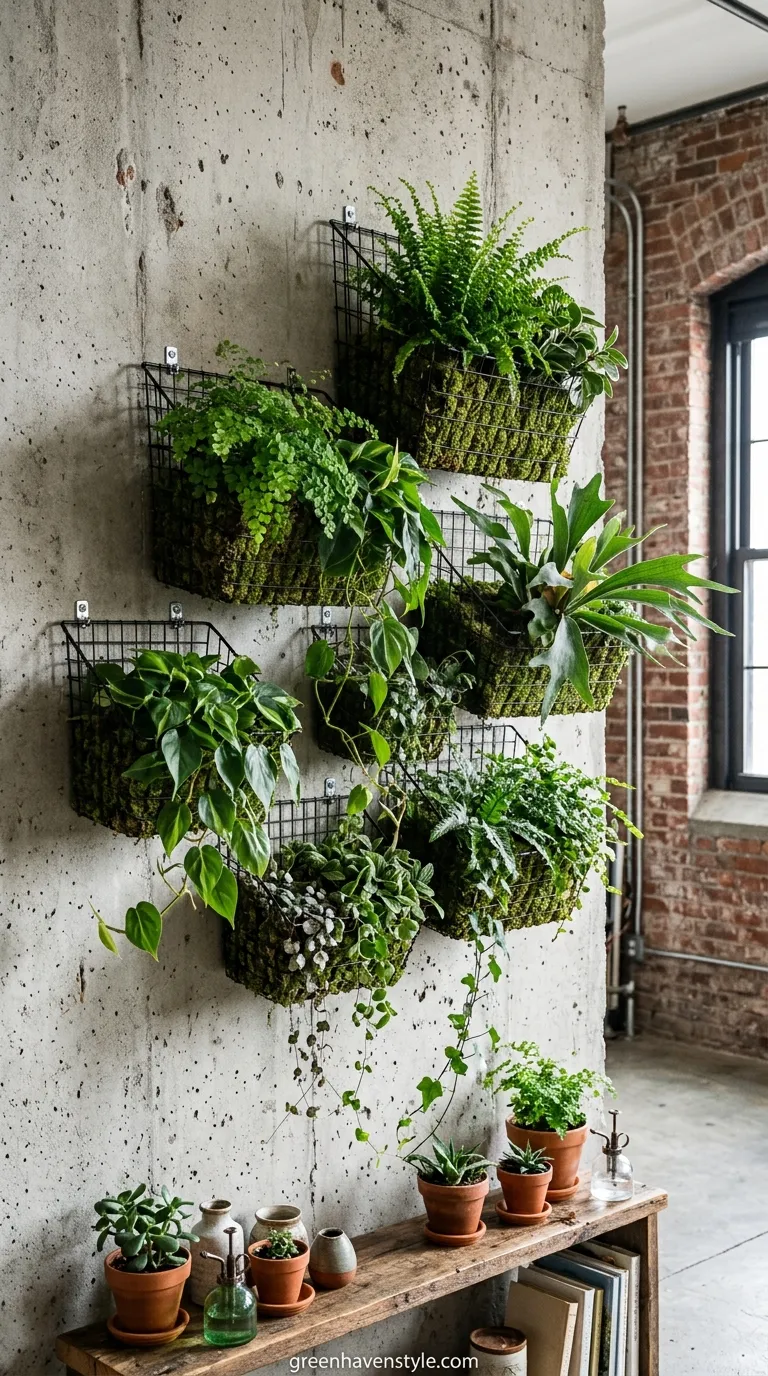
Metal wire baskets mounted in clusters create textured vertical growing zones. The open weave allows roots to breathe while the industrial material suits contemporary spaces, proving that functional growing containers can absolutely serve as striking design elements simultaneously.
The basket depth accommodates substantial root systems for larger plants. I’ve observed that lining baskets with moss rather than plastic maintains the organic aesthetic while preventing soil from washing through gaps, balancing function with the natural look that makes these installations so appealing.
Conclusion
Transforming blank walls with indoor vertical garden ideas brings nature into your home without sacrificing valuable floor space. Each approach offers unique benefits, from budget-friendly pallet gardens to sophisticated self-watering systems that handle maintenance automatically while you focus on enjoying the greenery.
I’ve seen how vertical gardens change not just rooms but daily routines, encouraging people to slow down and connect with living things. Whether you start with a single hanging planter or commit to a full living wall, you’re creating healthier indoor environments.
Choose one idea that matches your space, skill level, and aesthetic preferences, then watch your walls come alive with growth. Save these inspirations to Pinterest and revisit them as your confidence grows and your vertical garden vision expands beautifully.


